
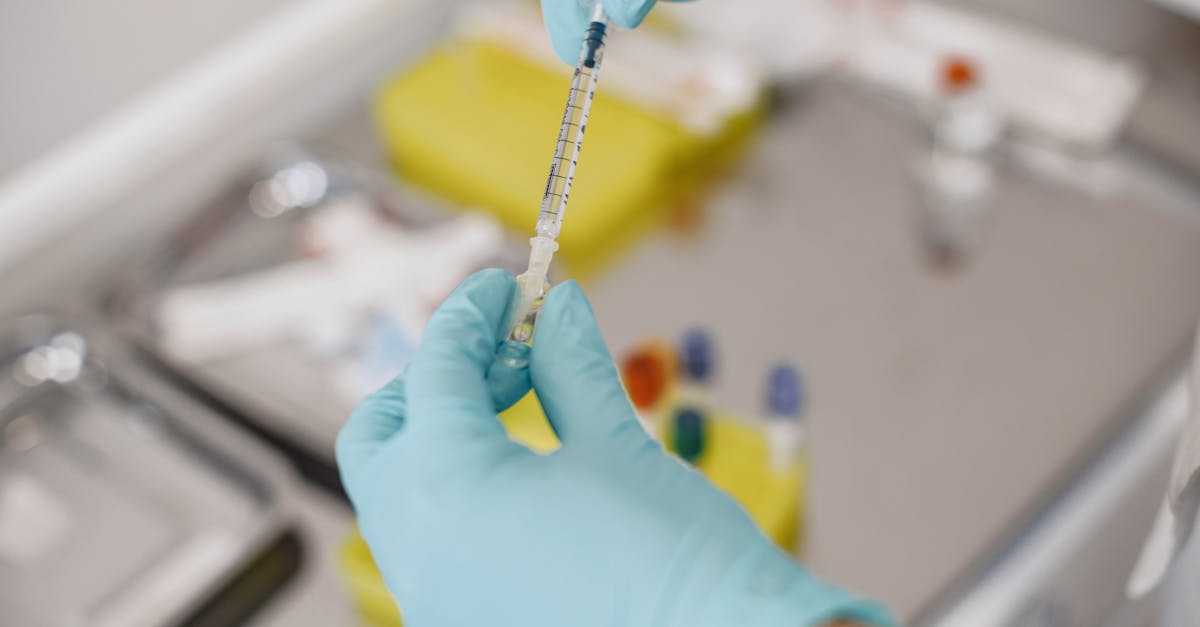
Stem Cell Knee Injections: How the Procedure Works and What Patients Experience
Stem cell knee injections represent one of the most studied non-surgical approaches for managing cartilage loss, osteoarthritis, and soft tissue damage in the knee joint. At OC Wellness Physicians Medical Group in Orange County, physician-directed regenerative protocols are tailored to each patient's imaging findings, functional goals, and medical history. Rather than relying solely on symptom management, this category of treatment works with the body's own biological systems to address the underlying tissue environment contributing to pain and functional limitation.
The Biology Behind Stem Cell Knee Injections
To understand why stem cell knee injections have attracted significant clinical interest, it is helpful to start with the cells themselves. Mesenchymal stem cells, commonly referred to as MSCs, are multipotent progenitor cells with the capacity to differentiate into several specialized cell types, including cartilage, bone, and connective tissue. This plasticity makes them particularly relevant in joint pathology, where cartilage damage and tissue degradation are central problems. Unlike mature cells that have already committed to a specific function, MSCs retain the flexibility to respond to local biological signals and contribute to tissue remodeling in ways that fully differentiated cells cannot.
When introduced into a damaged knee joint, MSCs do not simply replace lost tissue in a straightforward structural sense. Instead, they secrete a range of paracrine signals, including growth factors such as transforming growth factor beta (TGF-beta), insulin-like growth factor 1 (IGF-1), and vascular endothelial growth factor (VEGF). These molecules interact with the surrounding tissue environment to modulate the local healing response, reduce chronic inflammation, and inhibit enzymes that would otherwise continue degrading cartilage. This paracrine signaling also appears to recruit the body's own endogenous repair cells to the treatment site, amplifying the therapeutic effect beyond what the injected cells could accomplish alone.
The practical implication of this biology is that the therapeutic benefit of stem cell knee injections extends well beyond simple cell replacement. The procedure initiates a cascading biological process that can shift the joint environment from a state of progressive degeneration toward one more conducive to repair and stability. This is an important distinction for patients to understand: the injections set a biological process in motion rather than delivering an immediate structural correction. Tissue remodeling is a gradual process, and the timeline for noticeable improvement reflects that reality. Understanding this mechanism helps patients approach the treatment with informed and realistic expectations. For a broader overview of the regenerative approaches available, visit our regenerative medicine services page.
Sources of Stem Cells Used in Knee Injections
The biologic preparations used for stem cell knee injections vary across clinical settings, and the choice of source material has meaningful implications for patient experience, procedure length, and regulatory framework. At OC Wellness Physicians Medical Group, the regenerative protocol uses screened allograft products derived from perinatal tissues, including amniotic membrane and umbilical cord blood, with selected protocols incorporating Wharton's Jelly. These tissues are collected at the time of healthy, scheduled cesarean deliveries from donors who undergo comprehensive screening for transmissible disease and are processed under FDA Section 361 HCT/P standards. The resulting products are rich in growth factors, cytokines, and structural components that support the regenerative environment within the joint, without requiring any harvest procedure on the patient.
Patients sometimes ask about autologous options such as bone marrow aspirate concentrate (BMAC), which is harvested from the patient's iliac crest, or adipose-derived preparations, which require a fat harvest from the abdomen. OC Wellness does not currently offer these autologous protocols for knee injections. Clinical comparison studies have not demonstrated a clear advantage of autologous harvest over allograft-based regenerative products in mild-to-moderate knee osteoarthritis, and the allograft model avoids the added procedure time, harvest-site discomfort, and added regulatory complexity that accompany same-day autologous processing.
The decision to proceed with regenerative treatment is informed by patient age, overall systemic health, severity and pattern of joint damage identified on imaging, and prior treatment history. The physicians across our Orange County locations evaluate all of these factors during the consultation to determine whether allograft-based regenerative therapy is an appropriate option. Our broader pain management services provide additional context for how regenerative biologics fit within a comprehensive treatment strategy.
Step-by-Step: What Happens on the Day of Your Injection
Patients arriving for a stem cell knee injection at OC Wellness begin with a brief pre-procedure assessment in which vital signs are reviewed and the treatment plan is reconfirmed. Because the protocol uses ready-to-administer allograft material rather than a same-day autologous harvest, there is no hip aspiration and no on-site centrifuge processing wait. Patients should arrive having followed any medication adjustment instructions provided at the pre-procedure consultation, particularly the guidance to discontinue nonsteroidal anti-inflammatory drugs (NSAIDs) several days prior to the injection.
The patient is positioned on the exam table, and the skin overlying the knee is prepared with a chlorhexidine-based antiseptic and a sterile drape. The physician identifies the optimal injection site using a standardized anatomical-landmark technique, palpating the joint line, patellar borders, and surrounding tendinous structures to locate the intra-articular target. A local anesthetic is applied to the soft tissue overlying the injection site to minimize discomfort during needle placement. For routine intra-articular knee injections in patients with accessible joint anatomy, anatomical landmarks alone provide reliable access to the joint space; ultrasound or fluoroscopic guidance is reserved for atypical anatomy, prior surgical hardware, significant deformity, or body habitus that warrants additional confirmation.
Once the needle is properly positioned within the joint space, the regenerative biologic is delivered slowly and steadily into the intra-articular compartment. The injection itself takes only a few minutes. Patients rest briefly in the clinic following the procedure, receive written aftercare instructions covering activity modification, medication guidance, and follow-up scheduling, and are typically discharged within 20 to 30 minutes of the injection. The entire appointment, from arrival through discharge, generally lasts between 45 and 75 minutes.
Post-Injection Recovery: Activity, Timelines, and Follow-Up
The immediate post-injection period requires a brief reduction in activity to allow the biologic material to settle into the joint space without mechanical disruption. A relative rest period of 24 to 48 hours is standard following stem cell knee injections, during which patients are advised to avoid strenuous weight-bearing activity, prolonged standing, and any exercise that places direct compressive load on the treated knee. This window is not about immobilization but about protecting the joint environment during the earliest phase of the biological response.
One of the more counterintuitive aspects of post-injection care involves anti-inflammatory medications. Nonsteroidal anti-inflammatory drugs (NSAIDs) such as ibuprofen and naproxen are commonly used for knee pain under other circumstances, but following stem cell injections they are typically avoided for several weeks. The reason is physiological: the therapeutic mechanism of MSC-based biologics relies in part on an orchestrated inflammatory response that facilitates tissue signaling and repair. Suppressing that cascade with NSAIDs could blunt the very process that makes the treatment effective. Patients with existing NSAID prescriptions should discuss alternatives with the clinical team before their procedure date.
After the initial 48 to 72 hour window, gentle range-of-motion activities and low-impact walking are generally encouraged to maintain joint mobility and prevent stiffness from setting in. The body's response to the biologic material unfolds gradually, and most patients begin noticing early improvements in swelling, baseline pain levels, and morning stiffness somewhere between weeks four and eight following the procedure. Continued progress through month six is common, and in some patients functional gains extend beyond that point as tissue remodeling continues. At OC Wellness Physicians Medical Group, follow-up appointments allow the clinical team to assess treatment response, adjust activity recommendations, and determine whether adjunctive therapies such as laser therapy or platelet-rich plasma would further support the healing process. Tracking progress with objective functional metrics at each visit helps guide these decisions systematically.
How to Know If You Are a Good Candidate for Stem Cell Knee Injections
Candidacy for stem cell knee injections is determined through a physician-directed evaluation that considers clinical history, imaging findings, prior treatment responses, and individual health factors. Patients who tend to benefit most from this approach are those with documented knee pathology confirmed on MRI or X-ray, including cartilage thinning, meniscal degeneration, or osteoarthritis that falls below the end-stage severity threshold. The biological environment of the joint must still have enough viable tissue to interact with and respond to the regenerative signals delivered by the injected biologic. This is why degree of degeneration matters significantly in the candidacy assessment.

Many patients arrive at the regenerative evaluation after exhausting more conservative options without achieving adequate relief. Physical therapy, oral anti-inflammatory medications, and corticosteroid injections are appropriate first-line interventions, and their failure to provide meaningful or lasting benefit is a recognized indicator that a regenerative approach may be warranted. This progression reflects a logical treatment hierarchy rather than a failure of prior care. Patients who have tried these options and still experience functional limitation or persistent pain are commonly considered for the next tier of intervention.
Several patient-specific variables factor into the final candidacy determination. Age, body mass index, activity level, cardiovascular health, and metabolic status all influence the body's capacity to respond to regenerative treatment. Patients with certain blood disorders, active joint infections, or autoimmune conditions affecting the joint may not be appropriate candidates. Patients with Grade 4 bone-on-bone osteoarthritis, where joint space has been entirely lost, are generally poor candidates for stem cell injections and are more likely to be counseled toward surgical consultation. Our clinical team approaches every evaluation with transparency about these distinctions.
OC Wellness Physicians Medical Group offers comprehensive candidacy evaluations, including imaging review, at all four Orange County locations in Westminster, Irvine, Orange, and Mission Viejo. Patients who are unsure whether they qualify are encouraged to schedule a consultation rather than self-selecting out of an evaluation prematurely. Learn more about our clinical philosophy on our about page or contact us directly to discuss your specific situation with a member of our team.
Do Stem Cell Knee Injections Hurt?
The skin overlying the knee is numbed with local anesthesia before the injection, which substantially reduces the discomfort associated with needle placement. Most patients report a sensation of pressure rather than sharp or acute pain during the procedure itself. Because the OC Wellness protocol uses ready-to-administer allograft material and does not require a same-day harvest from the patient, there is no separate harvest-site discomfort to manage. Some patients experience mild soreness at the knee for one to three days following the injection as a normal part of the body's initial response. This post-procedure soreness typically resolves on its own within a few days and does not indicate a complication.
How Long Does a Stem Cell Knee Injection Procedure Take?
The total appointment at OC Wellness, which includes pre-procedure preparation, the injection itself, and post-procedure monitoring, typically ranges from 45 to 75 minutes. The appointment is shorter than autologous protocols offered at other clinics because the allograft model does not require a harvest procedure or an on-site cell processing wait. Patients should plan to be in the office for approximately one hour and avoid commitments that would require them to leave before the clinical team has confirmed they are ready for discharge.
Can I Walk After a Stem Cell Knee Injection?
Most patients are able to walk with minimal assistance immediately following the procedure and do not require crutches or assistive devices under ordinary circumstances. The brief period of reduced activity recommended for the first 24 to 48 hours does not mean complete immobility but rather an avoidance of sustained exertion, prolonged standing, and high-impact activity. After that initial window, gentle walking is actively encouraged as a way to promote circulation within the joint and prevent stiffness. Patients receive specific written guidance on activity levels during their discharge instructions, and the clinical team remains available to answer questions that arise during the recovery period.
How Many Stem Cell Knee Injections Are Needed?
A single injection is sufficient for many patients to experience meaningful and lasting improvement, particularly those with mild-to-moderate pathology and good baseline health. However, the treating physician may recommend a second treatment at three to six months following the initial injection if the response is partial or if the underlying condition is more advanced. The decision to proceed with an additional treatment is made based on objective clinical assessment and patient-reported outcomes during follow-up, not as a routine protocol applied uniformly. Patients should discuss their individual timeline expectations during the consultation so that the clinical plan is aligned with realistic recovery goals from the outset.
Are Stem Cell Knee Injections FDA-Approved?
Stem cell knee injections are not FDA-approved drugs in the conventional pharmaceutical sense, and patients should understand the regulatory framework that governs this category of treatment. The amniotic and umbilical cord-derived products used at OC Wellness Physicians Medical Group are regulated under FDA Section 361 of the Public Health Service Act, which applies to human cells, tissues, and cellular and tissue-based products (HCT/Ps) that meet criteria for minimal manipulation and homologous use. Products meeting Section 361 standards are subject to FDA registration, donor screening, processing, and labeling requirements, but they do not require pre-market approval as a drug or biologic. All allograft material used at OC Wellness is sourced from FDA-registered tissue banks operating under these standards. Patients with specific questions about the regulatory context of their proposed treatment are encouraged to raise them during the consultation.
What Is the Success Rate of Stem Cell Knee Injections?
Published clinical literature generally reports that 70 to 80 percent of appropriately selected patients with mild-to-moderate osteoarthritis experience measurable reductions in pain and meaningful improvements in functional capacity following stem cell knee injections. These outcomes are not uniform across the patient population, and individual results depend significantly on the severity of the underlying disease, the patient's overall health status, and adherence to post-procedure recommendations. Patients with more advanced degeneration or significant metabolic conditions may see more modest results. Honest communication about these variables is a core part of the evaluation process at OC Wellness Physicians Medical Group, and the clinical team prioritizes informed consent over optimistic generalization.
Where Can I Get Stem Cell Knee Injections Near Me in Orange County?
OC Wellness Physicians Medical Group provides stem cell knee injections at four Orange County locations serving patients in Westminster, Irvine, Orange, and Mission Viejo. Each location offers physician-directed evaluations that include imaging review and a detailed discussion of candidacy, biologic options, and expected recovery. Patients traveling from surrounding communities throughout Orange County have access to the same clinical protocols and follow-up infrastructure regardless of which location they choose. Scheduling information and directions for each office are available through our locations page.
If you are managing knee pain related to osteoarthritis, cartilage damage, or soft tissue injury, the clinical team at OC Wellness Physicians Medical Group is available to help you evaluate whether stem cell knee injections are an appropriate next step. Call us at (714) 735-0313 to request a consultation, or learn more about our patient injury care services and attorney support resources if your condition is related to a personal injury matter. Our clinical team is committed to providing evidence-informed, individualized care across all four Orange County locations.