

Sciatica Treatment Without Surgery: Conservative Approaches for Lasting Relief
Sciatica treatment does not have to begin and end with surgery or indefinite reliance on pain medication. OC Wellness Physicians Medical Group offers a multi-specialty, physician-directed approach to sciatic nerve pain that addresses the root cause of compression while supporting tissue healing across four Orange County locations: Westminster, Irvine, Orange, and Mission Viejo. Whether your symptoms began gradually or appeared suddenly after an injury, a structured conservative care plan can produce meaningful and lasting relief without an operating room.
What Causes Sciatic Nerve Pain and Why It Varies Between Patients
The sciatic nerve is the longest peripheral nerve in the body, originating from spinal nerve roots at L4, L5, and S1 before traveling through the gluteal region and continuing down the posterior leg toward the foot. Because of its length and the number of spinal segments it serves, this nerve is susceptible to compression or irritation at multiple anatomical points, and the precise location of that compression largely determines the character and distribution of a patient’s symptoms.
Lumbar disc herniation is the most common structural cause of sciatica. When the soft nucleus pulposus material at the center of a spinal disc extrudes through the outer annulus fibrosus, it can make direct contact with an adjacent nerve root, triggering intense inflammation and the hallmark radiating pain pattern. Degenerative disc disease, lumbar spinal stenosis, spondylolisthesis, and piriformis syndrome are additional structural diagnoses that produce similar patterns of leg pain, though each has a distinct mechanism that influences which treatment approach is most appropriate.
The presentation of sciatic nerve pain varies considerably from one patient to another. Some individuals describe a dull, constant ache localized to the low back and buttock, while others experience sharp, electric, or burning pain that travels as far as the calf or the sole of the foot. Numbness, tingling, and leg weakness may accompany the pain, and in some cases neurological deficits are more prominent than the pain itself. This variability is one reason that a thorough clinical evaluation is essential before any treatment plan is assembled.
Psychological and physiological stress can also shape how severely a patient perceives sciatic pain. Patients who ask whether stress causes sciatica are raising a clinically relevant question. Stress does not directly produce disc herniation, but it can sensitize the central nervous system, lowering the threshold at which nerve signals are interpreted as painful. This means two patients with structurally identical disc herniations on MRI may report very different levels of disability, and effective pain management must account for both the structural and the neurological sensitization components.
How Sciatica Is Diagnosed: What Your Provider Needs to Know
Accurate diagnosis is the foundation of effective sciatica treatment. Before any intervention is recommended, the clinical team at OC Wellness Physicians Medical Group gathers a thorough patient history that captures the onset and duration of symptoms, the precise distribution of pain and neurological changes, aggravating and relieving factors, and whether any associated bowel or bladder changes have occurred. That last detail is particularly important because changes in bowel or bladder control alongside leg symptoms can indicate a more serious spinal emergency that requires a different pathway of care.
Physical examination is equally important. Specific maneuvers such as the straight leg raise, also called the Lasegue sign, and the slump test apply controlled tension to the sciatic nerve and help reproduce a patient’s symptoms in a reproducible, clinically meaningful way. Dermatomal sensory testing and muscle strength grading allow the clinician to estimate which spinal nerve root level is most affected, guiding both the imaging strategy and any interventional procedures that may follow.
MRI of the lumbar spine remains the gold-standard imaging tool for identifying disc herniation, foraminal narrowing, central canal stenosis, or other compressive pathology contributing to sciatic nerve pain. The detail provided by MRI allows the clinical team to visualize the exact location and severity of nerve root contact, which is critical information when planning epidural steroid injections or other targeted interventions. Plain radiographs may also be obtained to assess spinal alignment and bony structures.
When the clinical picture is complex or the degree of neurological compromise needs to be quantified objectively, electrodiagnostic studies including electromyography and nerve conduction velocity testing can confirm nerve involvement and measure how significantly motor or sensory function has been affected. At OC Wellness Physicians Medical Group, the diagnostic workup is coordinated across the multi-specialty team so that treatment decisions rest on objective clinical and imaging data rather than symptom description alone. This integrated model reduces the risk of treating the wrong diagnosis and ensures that each patient’s care plan reflects the actual structural and neurological findings.
Non-Surgical Sciatica Treatment Options Available at OC Wellness
The range of conservative interventions available at OC Wellness Physicians Medical Group spans from procedural pain management to rehabilitative and regenerative strategies, allowing the clinical team to build a care plan that fits the specific cause and severity of each patient’s condition. No single treatment modality is appropriate for every presentation, and the physician-directed structure of the practice ensures that each option is selected based on clinical indication rather than availability alone.
Epidural steroid injections are among the most well-established interventional treatments for lumbar radiculopathy. By delivering corticosteroid medication directly into the epidural space adjacent to the inflamed nerve root, these injections reduce local swelling and interrupt the inflammatory cycle that perpetuates pain. The relief they provide, which can last from several weeks to several months, creates a therapeutic window during which patients can engage more productively in rehabilitation. For a deeper overview of procedural options, the practice’s pain management service line outlines the full range of available interventions.
Chiropractic spinal manipulation, when supported by the imaging findings and determined to be appropriate for a patient’s diagnosis, can reduce disc-related nerve root compression and restore segmental mobility in the lumbar spine. The chiropractic services at OC Wellness are coordinated with the broader clinical team, ensuring that manipulation is applied within a supervised plan that accounts for any imaging contraindications. This coordination distinguishes the practice’s approach from standalone chiropractic treatment and reduces the risk of applying manual therapy where it is not indicated.
Acupuncture carries a well-documented evidence base for lumbar radiculopathy and is incorporated into OC Wellness care plans as a low-risk, opioid-free analgesic adjunct. By stimulating specific peripheral nerve pathways, acupuncture can modulate pain signaling at both the spinal cord and the brain level, offering meaningful symptom relief without the systemic side effects associated with oral medications. Class IV laser therapy, applied along the sciatic nerve distribution, addresses peripheral sensitization and promotes nerve tissue repair through photobiomodulation. The laser therapy program at OC Wellness uses therapeutic wavelengths and dosing protocols calibrated for deep tissue penetration in the lumbar and lower extremity regions.
For patients who have not responded adequately to conventional conservative care, regenerative medicine strategies offer an additional tier of treatment. Epidural platelet-rich plasma injections and targeted perineural injections represent emerging interventional options that aim to support tissue healing and reduce chronic nerve irritation through the patient’s own growth factors and cellular signaling proteins. The practice’s regenerative medicine program reviews candidacy on an individual basis, with treatment decisions informed by the clinical and imaging record accumulated during prior care.
What Causes Sciatica to Flare Up and How to Reduce Frequency
Understanding what provokes acute sciatica flares is an important part of long-term management. Prolonged sitting, particularly in a flexed lumbar posture, is among the most common triggers for patients with underlying disc disease. Sustained sitting increases intradiscal pressure, and when a disc is already compromised, even moderate pressure fluctuations can push nucleus material further against the nerve root and generate intense pain. Patients whose occupations involve extended periods of seated work are therefore at elevated risk for recurrent flares, and ergonomic modification is a standard component of the OC Wellness care planning process.
Repetitive lumbar flexion activities such as bending forward, picking objects up from floor level, and loading the spine in a rounded posture subject the posterior disc annulus to concentrated mechanical stress. Over time, these forces can worsen existing herniations or accelerate annular degeneration. Proper lifting mechanics, hip hinge technique, and load distribution strategies are taught to patients as part of the rehabilitation guidance integrated into their care plan.
Core muscle weakness and hip extensor insufficiency are structural contributors to recurrent sciatica that are often overlooked when treatment focuses exclusively on the spine. When the deep stabilizing muscles of the lumbar spine and pelvis cannot adequately share the load placed on the vertebral column, that load is transferred to the intervertebral discs and facet joints, increasing the mechanical stress on already irritated nerve roots. Targeted rehabilitation addressing these deficits forms a central part of the long-term sciatica management strategy at OC Wellness Physicians Medical Group.
Systemic factors also influence how frequently sciatica flares and how quickly a patient recovers between episodes. Inflammatory dietary patterns, poor sleep quality, and elevated body weight all increase baseline nerve sensitivity and impair the tissue repair processes that allow the nerve root environment to stabilize after an acute episode. OC Wellness care plans address these modifiable risk factors through provider education and, where appropriate, referral to nutritional or lifestyle counseling resources. Reducing systemic inflammation and improving sleep hygiene may not produce immediate structural changes, but they contribute meaningfully to lowering the frequency and severity of future flares over a longer time horizon.
When to Seek Immediate Care and What to Expect at OC Wellness
Most patients with sciatica can be managed effectively through the conservative and interventional options described above, but certain symptoms require a different level of urgency. Bowel or bladder dysfunction, loss of sensation in the groin or inner thigh region, or rapidly progressive leg weakness accompanying sciatic pain are red-flag findings that warrant emergency evaluation. These symptoms can indicate cauda equina syndrome, a rare but serious condition in which the bundle of nerve roots at the base of the spinal cord is severely compressed. Any patient experiencing these signs should proceed to an emergency department rather than scheduling an outpatient appointment.

For patients without red-flag symptoms, early initiation of structured conservative sciatica treatment consistently produces better long-term outcomes than watchful waiting combined with pain medication alone. Allowing acute nerve root inflammation to persist without treatment can contribute to central sensitization, making the condition harder to resolve with time. Research supports beginning a supervised, multi-modal care plan as early as the clinical diagnosis allows rather than delaying intervention to see whether symptoms resolve on their own.
OC Wellness Physicians Medical Group offers same-day or next-day evaluations for patients experiencing acute sciatic pain, reducing the period between symptom onset and the start of a structured treatment plan. This accessibility matters clinically because the earlier the inflammatory component of nerve root irritation is addressed, the lower the likelihood that a temporary acute episode will evolve into a chronic pain condition.
Patients whose sciatica began after a car accident, slip-and-fall, or another personal injury event can be seen through the practice’s patient injury care program on a lien basis, meaning no upfront payment is required at the time of service. This arrangement ensures that access to physician-directed evaluation and treatment is not delayed by insurance complexities that commonly follow personal injury events. Patients and their legal representatives are welcome to review the practice’s attorney support resources for documentation and coordination information.
Reaching OC Wellness Physicians Medical Group is straightforward for patients throughout the region. The four Orange County locations in Westminster, Irvine, Orange, and Mission Viejo are each staffed by a multi-specialty clinical team equipped to evaluate and treat lumbar radiculopathy from initial diagnosis through advanced interventional care. Appointments can also be requested through the contact page.
How Long Does Sciatica Take to Heal Without Surgery?
Most cases of acute sciatica caused by disc herniation improve within six to twelve weeks with appropriate conservative care. The inflammatory response around the nerve root gradually subsides when mechanical compression is addressed through a combination of positional modification, manual therapy, and targeted interventional procedures. Patients who engage consistently with their prescribed rehabilitation program and follow activity guidance tend to reach functional recovery within this window.
Chronic sciatica or cases involving significant disc degeneration or lumbar spinal stenosis may take longer to resolve and often benefit from interventional treatments such as epidural steroid injections to manage the inflammatory component while structural rehabilitation progresses. It is important to note that healing timelines vary based on the severity of nerve root compression at baseline, the patient’s overall health, and how early structured treatment was initiated. OC Wellness Physicians Medical Group develops individualized care timelines based on objective findings so that treatment expectations are grounded in each patient’s specific clinical picture.
What Is the Most Effective Sciatica Treatment?
Research consistently supports a multi-modal approach to sciatica treatment as more effective than any single intervention applied in isolation. Combining physical rehabilitation targeting spinal stabilization, spinal manipulation or mobilization to address segmental dysfunction, pain management interventions to reduce acute nerve root inflammation, and lifestyle modification to lower systemic inflammatory burden addresses the condition at multiple physiological levels simultaneously. This is precisely the model employed at OC Wellness Physicians Medical Group, where each specialty contributes to a coordinated plan rather than operating independently.
The most effective individual protocol depends on the underlying cause identified through imaging and clinical examination. A patient with acute disc herniation and a strong inflammatory component may benefit most from an early epidural steroid injection followed by rehabilitative care, while a patient whose sciatica is driven primarily by piriformis syndrome may respond better to soft tissue therapy, targeted stretching, and acupuncture. Matching the intervention to the specific diagnosis is the defining principle behind the practice’s clinical approach.
Can Stress Cause Sciatica?
Psychological stress does not directly cause disc herniation or other structural changes in the lumbar spine, so it is not accurate to say that stress alone causes sciatica in a purely anatomical sense. However, stress does engage the central nervous system in ways that amplify pain perception and lower the threshold at which normal neural signals are interpreted as threatening or painful. This process, known as central sensitization, means that patients with elevated stress levels often experience more severe sciatica symptoms even when the degree of structural nerve compression is similar to that seen in lower-stress patients.
Addressing the central sensitization component of sciatica requires attention to sleep quality, psychological burden, and inflammatory load alongside the structural treatment plan. The clinical team at OC Wellness Physicians Medical Group considers these factors during the evaluation process and incorporates provider education and lifestyle guidance into care plans where relevant. Ignoring the stress-related dimension of sciatica can result in slower recovery and higher recurrence rates even when the structural problem has been adequately treated.
What Causes Sciatic Nerve Pain to Flare Up Suddenly?
Acute sciatica flares most commonly occur when intradiscal pressure rises suddenly enough to push disc material against the nerve root. Prolonged sitting, forward bending, heavy lifting, sneezing, and coughing are frequent triggers because each of these activities or events transiently increases the load on the lumbar disc. In patients with an already compromised disc, this pressure increase may be sufficient to produce dramatic and sudden onset pain that radiates down the leg.
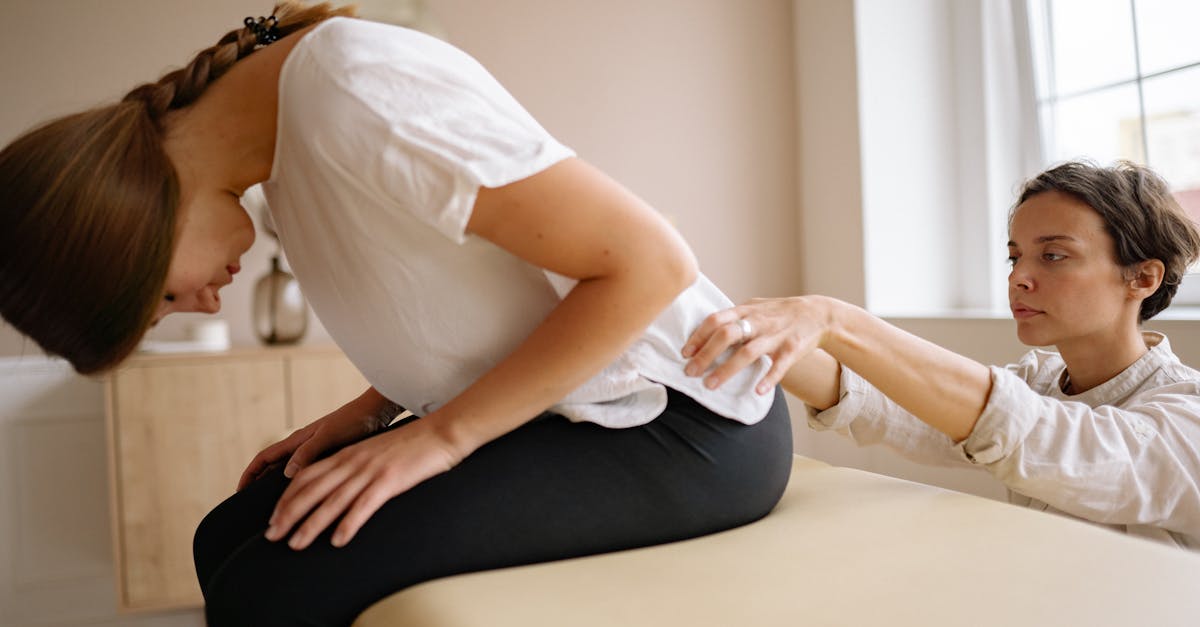
Understanding these triggers allows patients to take practical steps to reduce flare frequency before and after treatment. The OC Wellness clinical team provides individualized guidance on activity modification, postural adjustments, and movement patterns that reduce the mechanical risk to the lumbar disc during daily activities. These behavioral changes complement procedural and rehabilitative treatment and are among the most cost-effective components of a comprehensive sciatica management plan.
Is Chiropractic Care Safe for Sciatica?
Chiropractic spinal manipulation is a well-studied conservative option for lumbar radiculopathy and is generally safe when performed after appropriate imaging has ruled out fracture, severe canal stenosis, or other contraindications to manipulation. The evidence base for chiropractic care in the management of disc-related sciatica includes both short-term pain reduction and functional improvement outcomes, and it is particularly effective when integrated within a broader multi-modal care plan rather than used as a standalone treatment.
At OC Wellness Physicians Medical Group, chiropractic care is delivered within a physician-directed, supervised multi-specialty plan. This structure ensures that the treating chiropractor has access to imaging findings and clinical notes from the broader team before initiating spinal manipulation, and that the manipulation protocol is adjusted as the patient’s condition evolves. Patients interested in the chiropractic component of their care can learn more through the practice’s dedicated chiropractic services page.
Do Epidural Steroid Injections Cure Sciatica?
Epidural steroid injections do not address the structural cause of nerve compression and should not be represented as a cure for sciatica. What they do provide is a clinically significant reduction in the inflammation surrounding the irritated nerve root, which translates into meaningful pain relief lasting from several weeks to several months in most patients who respond to the procedure. This pain relief window is the true clinical value of the injection, as it allows patients to participate more fully in rehabilitation, advance their functional recovery, and reduce reliance on oral analgesic medications.
For patients with disc herniations that are expected to improve over time through natural resorption, an epidural steroid injection can make that waiting period far more tolerable and functional. For patients with structural stenosis that is unlikely to resolve without surgical decompression, repeated injections may serve as long-term management tools that delay or reduce the need for surgery. The physician-directed team at OC Wellness Physicians Medical Group evaluates each patient’s response to injections in the context of their overall care plan and adjusts the treatment strategy accordingly.
Where Can I Get Sciatica Treatment in Orange County?
OC Wellness Physicians Medical Group provides physician-directed sciatica treatment at four Orange County locations: Westminster, Irvine, Orange, and Mission Viejo. The practice offers same-day evaluations for patients experiencing acute sciatic pain, and the multi-specialty team is equipped to manage the full spectrum of lumbar radiculopathy presentations from initial diagnosis through advanced interventional and regenerative care. Patients do not need a prior referral to schedule an evaluation.
The practice accepts personal injury lien cases, making care accessible to patients whose sciatica began following a motor vehicle collision or other accident, regardless of their insurance status at the time of injury. All four locations operate under a coordinated clinical model in which diagnostic findings, imaging, and treatment records are shared across the team to support continuity of care.
To schedule a sciatica evaluation at OC Wellness Physicians Medical Group, call (714) 735-0313 or visit the patient injury care page for injury-related appointments. Attorneys coordinating care for injured clients are welcome to review the attorney support resources available through the practice. The clinical team at OC Wellness Physicians Medical Group is ready to build a treatment plan that addresses the root cause of your sciatic nerve pain without surgery.