

Pinched Nerve in the Neck: Causes, Symptoms, and Treatment
A pinched nerve in the neck, known medically as cervical radiculopathy, occurs when a nerve root in the cervical spine becomes compressed or irritated, often producing pain, tingling, or weakness that travels down into the shoulder, arm, or hand. The encouraging news is that most cases improve with physician-directed, nonsurgical care. OC Wellness Physicians Medical Group evaluates and treats neck-related nerve pain across four Orange County locations in Westminster, Irvine, Orange, and Mission Viejo.
What a Pinched Nerve in the Neck Is
The cervical spine is made up of seven vertebrae, and between and around them the spinal nerve roots exit to carry signals to and from the shoulders, arms, and hands. A pinched nerve occurs when one of these nerve roots is compressed or irritated by nearby structures. When that happens, the nerve can send altered signals that the body experiences as pain, tingling, numbness, or weakness, often felt not in the neck itself but along the path the nerve travels into the upper limb.
This referral of symptoms away from the actual source is one of the defining features of cervical radiculopathy and also one of the reasons it can be confusing. A person may feel the most intense symptoms in the forearm or fingers while the underlying problem sits in the neck. Because the specific nerve root involved determines where the symptoms appear, the pattern of pain and numbness gives valuable information about which level of the cervical spine is affected, and this is something the clinical team at OC Wellness Physicians Medical Group evaluates carefully.
It is worth distinguishing a pinched nerve from more general neck strain. Ordinary muscular neck pain tends to stay localized to the neck and upper shoulders and is not usually accompanied by symptoms extending into the arm or hand. When tingling, numbness, or weakness follows the course of a nerve down the limb, that pattern points toward nerve root involvement rather than simple muscle tightness, and it warrants a more thorough evaluation to identify the source and rule out anything that requires prompt attention.
Symptoms of Cervical Radiculopathy
The symptoms of a pinched nerve in the neck vary depending on which nerve root is affected, but several patterns are common. Many people experience a sharp or burning pain that radiates from the neck into the shoulder blade, down the arm, and sometimes all the way into specific fingers. This radiating quality distinguishes it from the dull, localized ache of a muscle strain. The pain may be intermittent at first and become more persistent as the irritation continues.
Alongside pain, sensory changes are frequent. Tingling, a pins-and-needles sensation, or numbness may develop in the arm or hand, often in a distribution that follows the affected nerve. Some patients notice these sensory symptoms more than the pain itself. Muscle weakness can also occur when the compressed nerve supplies a particular muscle group, making it harder to grip objects, lift the arm, or perform tasks that were previously effortless. Weakness is a symptom that should always prompt professional evaluation, since it indicates the nerve’s motor function is being affected.
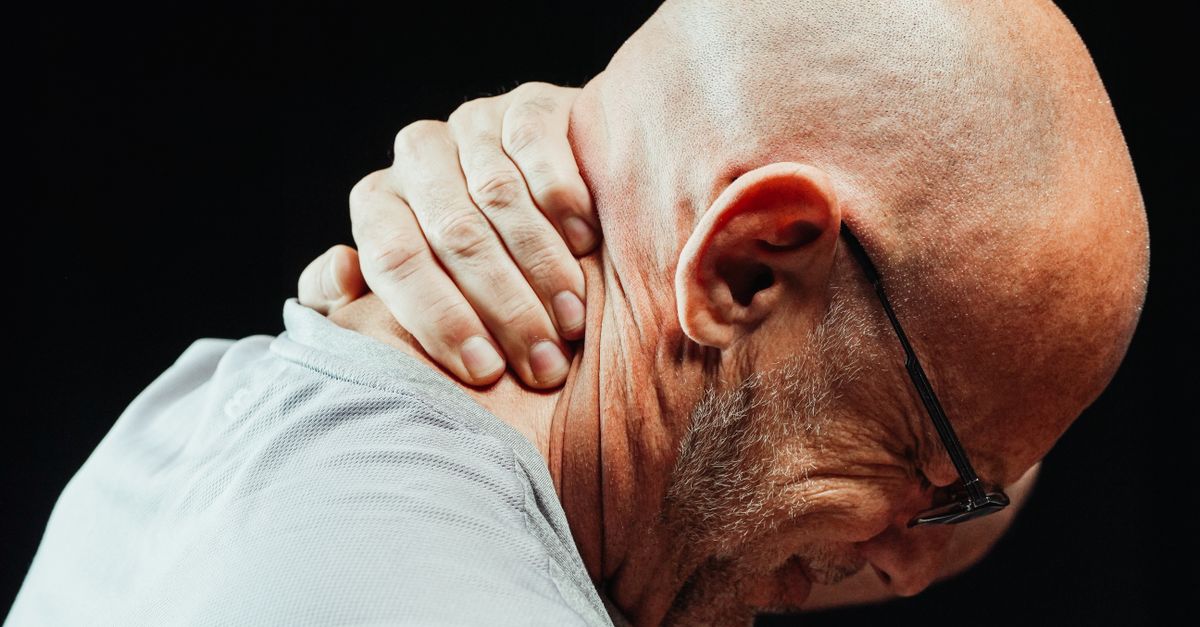
Certain movements and positions often make the symptoms worse. Extending the neck, tilting the head toward the affected side, or holding the head in one position for a long time can increase the compression on the nerve root and intensify the pain or tingling. Some patients discover that raising the affected arm overhead brings relief, a pattern that can actually help point toward a cervical origin. Because these symptoms overlap with other conditions, the clinical team at OC Wellness Physicians Medical Group takes care to distinguish cervical radiculopathy from problems that can mimic it, such as shoulder disorders or nerve compression farther down the arm.
Common Causes and Risk Factors
The most common cause of a pinched nerve in the neck is age-related degeneration of the cervical spine. Over time, the discs that cushion the vertebrae lose height and hydration, and the body may form bone spurs as it responds to changing loads. These changes can narrow the openings through which the nerve roots exit the spine, a process called foraminal narrowing, which crowds and irritates the nerve. This degenerative pattern is why cervical radiculopathy becomes more common with age, though it is by no means limited to older adults.
A herniated cervical disc is another frequent cause, particularly in younger and middle-aged people. When the soft inner material of a disc pushes outward through its tougher outer layer, it can press directly on a nearby nerve root or trigger inflammation around it. Disc herniations can develop gradually or appear more suddenly following a specific strain or injury. Trauma such as whiplash from a motor vehicle accident can also injure the structures of the cervical spine in ways that compress or irritate the nerve roots, sometimes with symptoms that emerge in the days or weeks after the initial event.
Several factors raise the likelihood of developing a pinched nerve in the neck. Repetitive neck movements, occupations or hobbies that involve sustained awkward neck positions, and the prolonged forward-head posture that comes with heavy screen use all place additional stress on the cervical spine over time. Prior neck injuries and the natural degenerative changes of aging compound this risk. Understanding a patient’s specific combination of contributing factors helps the clinical team at OC Wellness Physicians Medical Group target both the current symptoms and the habits or conditions that produced them.
How a Pinched Nerve in the Neck Is Diagnosed and Treated
Diagnosis begins with a detailed history and a physical examination that maps where the symptoms occur and how they behave. The examination assesses neck range of motion, tests strength and reflexes in the arm, and checks sensation along the paths of the different nerve roots. Specific maneuvers that gently load or reposition the neck can help reproduce the symptoms and confirm a cervical origin. When the clinical picture warrants it, imaging of the cervical spine provides additional detail about disc degeneration, herniation, or foraminal narrowing, and it helps guide the treatment plan.
The great majority of cervical radiculopathy cases improve with nonsurgical, physician-directed care. Physical therapy plays a central role by improving neck mobility, strengthening the muscles that support the cervical spine, and correcting the postural patterns that contribute to nerve irritation. A therapist can also use techniques that gently decompress the affected nerve root and guide patients through movements that reduce rather than aggravate symptoms. This structured rehabilitation is often the difference between temporary relief and lasting improvement.
Chiropractic care can address the joint restrictions and mechanical stress in the cervical spine that contribute to nerve compression, restoring more normal movement to the affected segments. Acupuncture and soft-tissue therapy help manage the muscle tension and pain that accompany a pinched nerve, and pain management options can provide relief significant enough to let a patient participate fully in rehabilitation. For patients whose symptoms are driven by facet or disc degeneration, OC Wellness Physicians Medical Group also offers cervical PRP as a regenerative option within a broader physician-directed plan. Surgery is reserved for the minority of cases involving progressive weakness or symptoms that do not respond to a thorough course of conservative care.
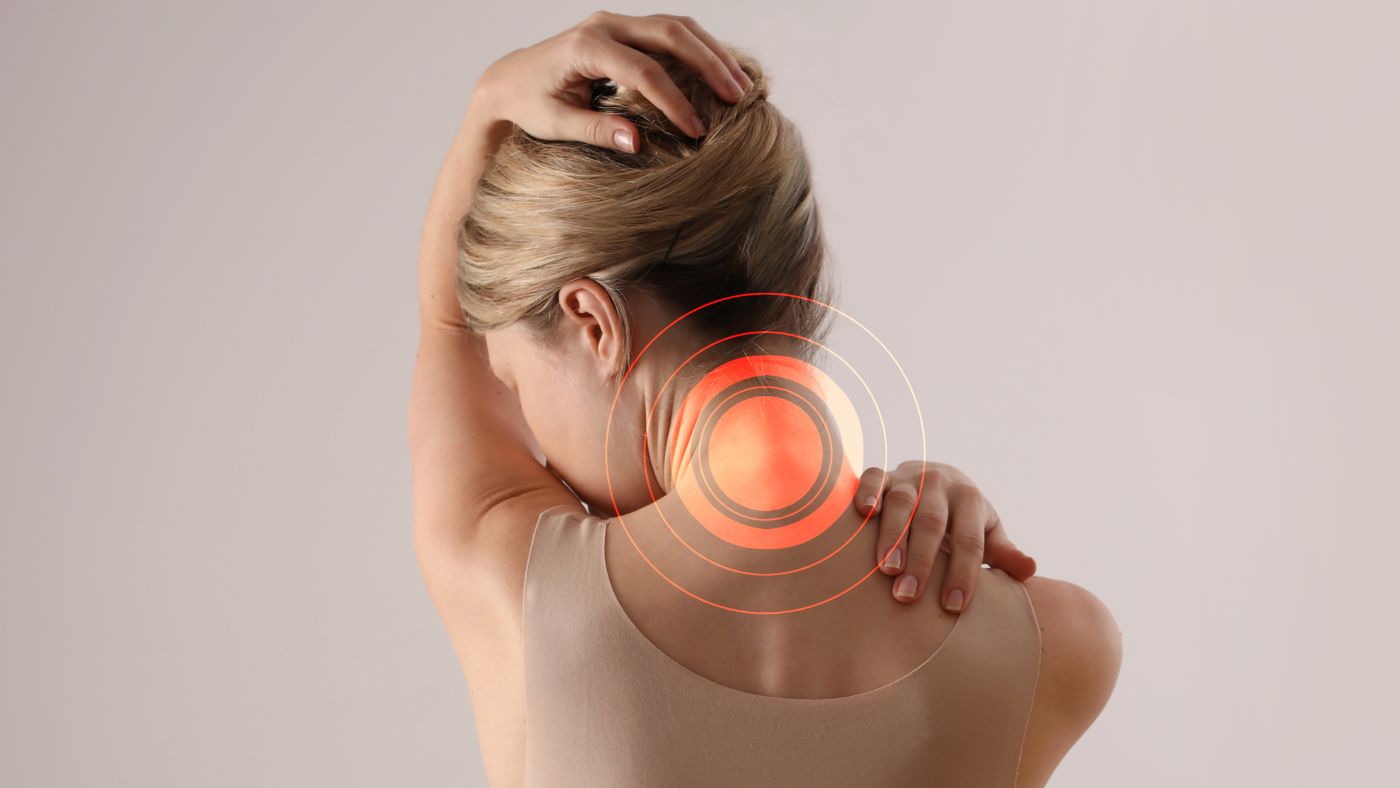
Physician-Directed Cervical Radiculopathy Care at OC Wellness
OC Wellness Physicians Medical Group approaches a pinched nerve in the neck through a coordinated, physician-directed model that brings physical therapy, chiropractic care, acupuncture, pain management, and regenerative options together under one clinical framework. Rather than treating the arm pain in isolation, the clinical team identifies which nerve root is involved and what is compressing it, then builds a plan that addresses both the symptoms and their underlying source.
This coordinated structure matters because cervical radiculopathy often responds best to a combination of approaches rather than any single treatment. A patient might benefit from chiropractic care to restore joint mobility, physical therapy to rebuild support and correct posture, and pain management to stay comfortable enough to progress, all directed by physicians who coordinate the plan. Because everything is managed within OC Wellness Physicians Medical Group, patients are not left to assemble care from disconnected providers, and adjustments can be made smoothly as symptoms improve.
Convenient access supports the consistency that recovery from a pinched nerve requires. With four Orange County locations in Westminster, Irvine, Orange, and Mission Viejo, patients can maintain regular appointments close to where they live or work. That accessibility helps people stay engaged with the rehabilitation and follow-up that lead to the best outcomes, and it makes it easier to return promptly if symptoms change. Early, consistent, physician-directed care gives most patients with cervical radiculopathy a strong chance of meaningful recovery without surgery.
What Is a Pinched Nerve in the Neck?
A pinched nerve in the neck, or cervical radiculopathy, is compression or irritation of a nerve root as it exits the cervical spine. Because these nerve roots supply the shoulders, arms, and hands, a pinched nerve often causes pain, tingling, numbness, or weakness that travels down into the upper limb rather than staying in the neck. The specific pattern of symptoms depends on which nerve root is affected, which helps identify the level of the spine involved.
What Does a Pinched Nerve in the Neck Feel Like?
A pinched nerve in the neck often feels like a sharp or burning pain that radiates from the neck into the shoulder, arm, or specific fingers, sometimes accompanied by tingling, numbness, or a pins-and-needles sensation. Some people also notice weakness in the arm or hand. Symptoms frequently worsen with certain neck positions, such as tilting the head toward the affected side, and some patients find relief by raising the affected arm overhead.
How Long Does a Pinched Nerve in the Neck Take to Heal?
Many pinched nerves in the neck improve within several weeks to a few months with appropriate conservative care, though the timeline depends on the underlying cause and how long the nerve has been irritated. Cases driven by a disc herniation may resolve as the inflammation settles, while those related to degenerative narrowing can take longer and benefit from ongoing management. Consistent, physician-directed treatment tends to speed recovery and reduce the chance of recurrence.
Can a Chiropractor Help a Pinched Nerve in the Neck?
For many patients, chiropractic care is a helpful part of treatment for a pinched nerve in the neck. By restoring mobility to restricted cervical joints and reducing mechanical stress on the affected segment, chiropractic treatment can ease nerve irritation and support recovery. At OC Wellness Physicians Medical Group, chiropractic care is coordinated with physical therapy, acupuncture, and pain management under physician direction, so each patient receives the combination of approaches best suited to their specific presentation.
When Should I See a Doctor for a Pinched Nerve in the Neck?
You should seek evaluation if neck pain radiates into the arm or hand, if you notice tingling or numbness that persists, or if there is any weakness in the arm or hand. Weakness in particular warrants prompt attention because it indicates the nerve’s motor function is affected. Symptoms that are severe, worsening, or accompanied by problems with coordination or bladder and bowel function require urgent evaluation. A physician-directed assessment at OC Wellness Physicians Medical Group can identify the cause and direct appropriate care.
Will a Pinched Nerve in the Neck Go Away on Its Own?
Many pinched nerves in the neck do improve on their own over time, especially when the cause is inflammation around a disc herniation that gradually subsides. However, waiting without evaluation can mean enduring unnecessary pain and risks missing signs that require attention, such as progressive weakness. Physician-directed care can relieve symptoms more quickly, address the underlying cause, and reduce the likelihood that the problem returns, which makes professional evaluation worthwhile.
Where Can I Get Pinched Nerve Treatment in Orange County?
OC Wellness Physicians Medical Group evaluates and treats pinched nerves in the neck at its Westminster, Irvine, Orange, and Mission Viejo locations. Each location provides access to the full multi-specialty team, with care coordinated across physical therapy, chiropractic, acupuncture, pain management, and regenerative services. Patients in the region do not need multiple separate providers to diagnose and treat cervical radiculopathy, because everything needed is available within a single, coordinated model of care.
If neck pain, tingling, or weakness is radiating into your arm or hand, contact OC Wellness Physicians Medical Group to schedule an evaluation. Our clinical team is available at all four Orange County locations to identify the source of your symptoms and develop a targeted treatment plan. Call (714) 735-0313 to get started, or explore our physical therapy and chiropractic services to learn more about how we treat cervical radiculopathy.