
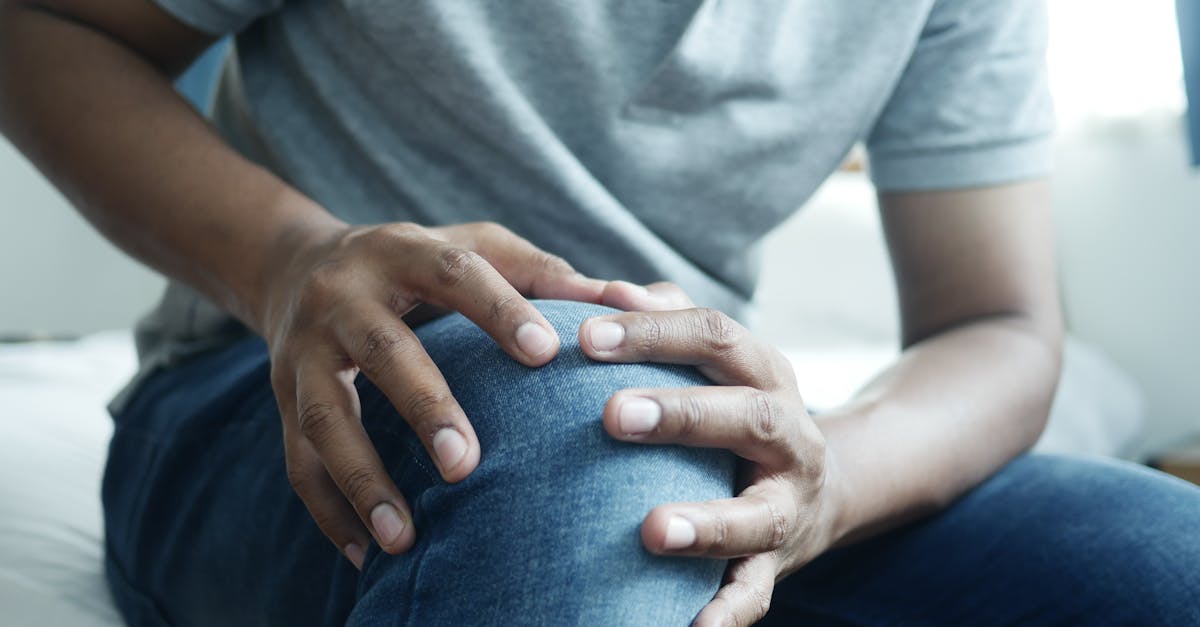
Knee Osteoarthritis Treatment: Non-Surgical Options in Orange County
Knee osteoarthritis is one of the most common reasons adults develop persistent knee pain, stiffness, and difficulty staying active, but a diagnosis does not mean surgery is inevitable. Effective knee osteoarthritis treatment often begins with conservative care that targets the mechanics and inflammation driving your symptoms rather than only masking the discomfort. At OC Wellness Physicians Medical Group, we help patients across our four Orange County locations understand what osteoarthritis is doing to the joint and which non-surgical options may help them move more comfortably. This guide explains how knee osteoarthritis develops, how it is diagnosed, the conservative and regenerative treatments available today, and how an integrated approach can support long-term joint function.
Understanding Knee Osteoarthritis
Osteoarthritis is a progressive joint condition in which the cartilage that cushions the ends of the bones gradually breaks down. In a healthy knee, this smooth cartilage allows the joint to glide with minimal friction while absorbing the substantial loads that walking, standing, and climbing place on it. As the cartilage thins, the protective space within the joint narrows and the bones begin to bear forces they were not designed to absorb directly.
This breakdown does not happen overnight. Knee osteoarthritis usually develops over years, which is why it is most common after midlife, though it can appear earlier in people who have had prior knee injuries, carry additional body weight, or have occupations and activities that repeatedly stress the joint. Genetics, alignment of the legs, and the strength of the surrounding musculature all influence how quickly the condition progresses and how much pain it produces.
As the joint environment changes, the body responds in ways that can themselves contribute to symptoms. The lining of the joint may become inflamed, small bony growths known as osteophytes can form at the edges of the joint, and the fluid that lubricates the knee can shift in volume and quality. These changes help explain why osteoarthritis pain often fluctuates, flaring after heavy activity or long periods of rest and easing when the joint is moved gently and regularly.
Understanding that osteoarthritis involves the whole joint, not just worn cartilage, is important because it shapes how knee osteoarthritis treatment is approached. A plan that addresses muscle strength, joint mechanics, inflammation, and activity patterns together tends to produce more durable relief than any measure aimed at a single factor. This is the framework the clinical team at OC Wellness Physicians Medical Group uses when evaluating a patient with knee osteoarthritis.
Signs, Symptoms, and How Knee Osteoarthritis Is Diagnosed
The hallmark symptom of knee osteoarthritis is pain that worsens with activity and improves with rest, though the pattern varies from person to person. Many patients describe a deep ache within the joint, stiffness that is most noticeable in the morning or after sitting for a while, and a sense that the knee is harder to bend fully than it once was. Some notice grinding or clicking sensations, mild swelling after activity, or occasional feelings of the knee giving way.
Because these symptoms overlap with other knee conditions, an accurate diagnosis is the necessary starting point for any effective knee osteoarthritis treatment plan. A thorough evaluation begins with a detailed history of how and when symptoms appear, followed by a physical examination that assesses range of motion, joint stability, swelling, tenderness, and the strength of the muscles that support the knee. The examination also considers the hip and ankle, since problems above and below the knee frequently influence how the joint is loaded.
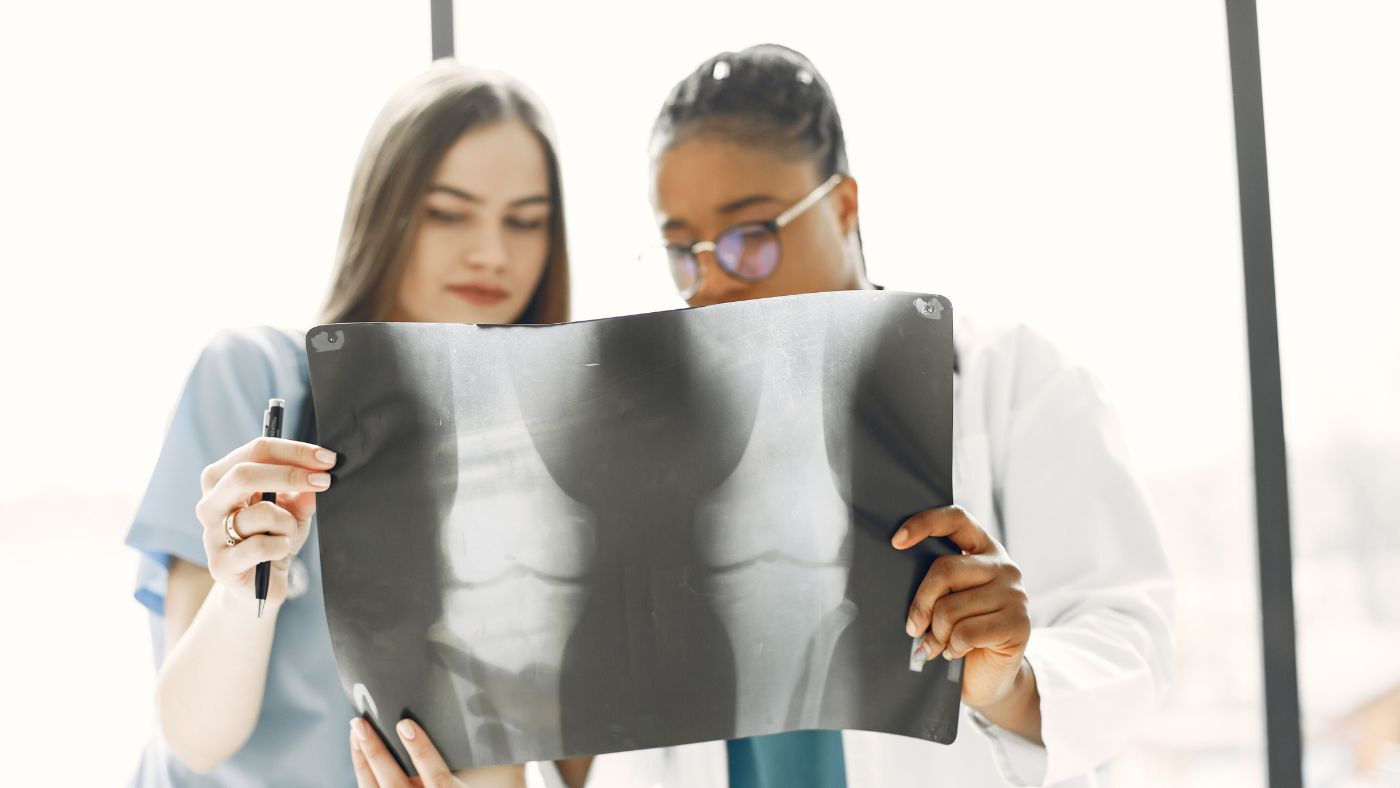
Imaging often confirms the diagnosis and helps gauge severity. X-rays can reveal narrowing of the joint space, bony changes, and the osteophytes associated with osteoarthritis, while other imaging may be used when soft-tissue injury is suspected alongside the arthritis. Establishing how advanced the condition is allows the clinical team to set realistic expectations and to identify which treatments are most likely to help at the patient’s particular stage.
At OC Wellness Physicians Medical Group, this diagnostic process is designed to distinguish osteoarthritis from other sources of knee pain and to understand the specific factors contributing to each patient’s symptoms. Because the appropriate treatment differs depending on severity and the presence of any additional injury, this careful evaluation is what makes a personalized, non-surgical plan possible.
Non-Surgical Knee Osteoarthritis Treatment Options
The majority of people with knee osteoarthritis can achieve meaningful relief through non-surgical care, particularly when several complementary treatments are combined within a coordinated plan. Conservative management is widely recognized as the appropriate first step for most cases, and it addresses pain, mobility, and the mechanical factors that accelerate joint wear without exposing patients to the risks and recovery time of surgery.
Physical therapy is a cornerstone of osteoarthritis care. A structured program strengthens the quadriceps, hamstrings, and hip muscles that stabilize and offload the knee, which reduces the stress placed on worn cartilage during everyday movement. Therapy also restores flexibility and teaches movement patterns that protect the joint, and for many patients consistent physical therapy alone produces a clinically significant reduction in pain and improvement in function.
Chiropractic care supports knee osteoarthritis treatment by addressing alignment and mobility through the hip, pelvis, and ankle. When these areas move poorly, additional load is shifted onto the knee with every step, which can intensify pain and speed up wear. Restoring better mechanics through the lower kinetic chain helps relieve some of the mechanical burden the arthritic knee must absorb. Acupuncture offers another avenue for managing osteoarthritis pain and inflammation, and a growing body of clinical literature supports its role in knee osteoarthritis specifically.
Laser therapy uses targeted light energy to help reduce inflammation and support tissue health, making it a useful non-invasive complement during flares when the joint is too irritated for aggressive exercise. Beyond these in-office treatments, day-to-day management matters a great deal. Appropriate activity modification, weight management when relevant, supportive footwear, bracing to offload a specific compartment of the joint, and a guided home exercise program all help keep the knee functioning and slow the cycle of deconditioning that otherwise makes osteoarthritis worse over time.
When Regenerative Medicine May Help Your Knee
For patients whose knee osteoarthritis has not responded adequately to physical therapy and other conservative measures, or who want to pursue options aimed at the joint’s underlying biology, regenerative medicine represents an additional category of treatment. These therapies differ from conventional measures in that they attempt to engage the body’s own repair processes rather than only interrupting pain signals.
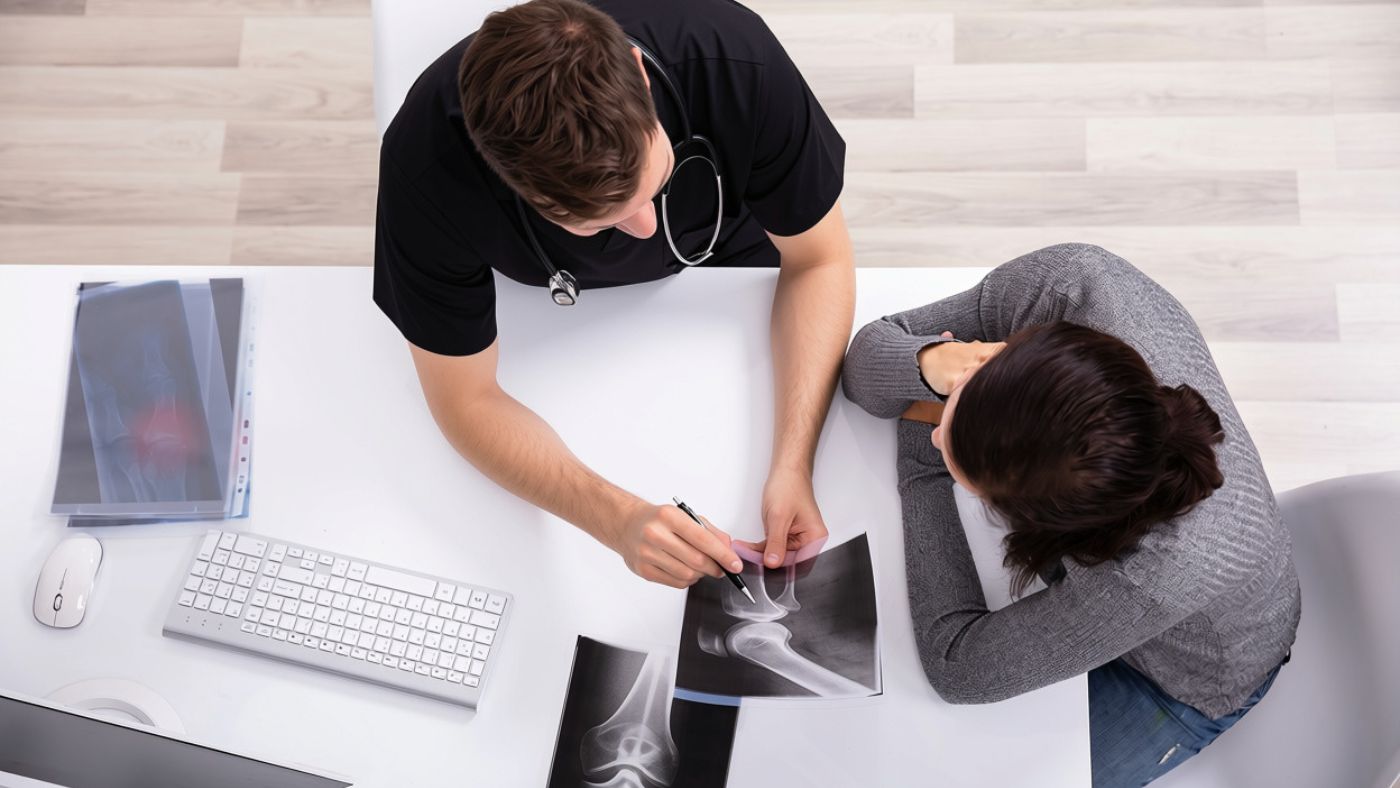
Platelet-rich plasma therapy, commonly called PRP, is one of the more established regenerative options for knee osteoarthritis. The procedure involves drawing a small amount of the patient’s blood, concentrating the platelets through centrifugation, and injecting the preparation into the affected joint. Platelets carry growth factors involved in tissue repair, and delivering a concentrated dose directly to the knee is intended to create a local environment more favorable to healing. Clinical studies examining PRP for knee osteoarthritis show results that vary with the severity of the arthritis and individual biological factors.
Regenerative therapies may be particularly worth considering for patients with mild to moderate osteoarthritis who still have some remaining joint space and want to postpone or avoid surgery. These approaches tend to be most effective when integrated with a rehabilitation program rather than used as a standalone intervention, because strengthening and improved mechanics protect the joint while the biological treatment does its work.
It is important to recognize that regenerative medicine is not appropriate for every patient or every stage of osteoarthritis. Severe bone-on-bone arthritis and certain other clinical factors can limit the potential benefit. A thorough evaluation determines candidacy, and at OC Wellness Physicians Medical Group, that conversation includes a frank discussion of realistic expectations, the current evidence, and how a regenerative option would fit within the broader treatment plan.
How OC Wellness Treats Knee Osteoarthritis
At OC Wellness Physicians Medical Group, knee osteoarthritis treatment begins with a thorough clinical evaluation designed to confirm the diagnosis, gauge severity, and identify the contributing factors behind each patient’s symptoms. Establishing an accurate picture of the joint before initiating treatment is a foundational principle of the care delivered across all four of our Orange County locations.
Once the condition is well understood, our multi-specialty clinical team coordinates a personalized plan that may draw from physical therapy, chiropractic care, acupuncture, laser therapy, and regenerative medicine, depending on what the patient’s stage of osteoarthritis warrants. Rather than applying a single standardized protocol, we design care around the individual’s diagnosis, activity level, daily demands, and goals, and we adjust the plan over time as the knee responds.
Patients can access care at our Westminster, Irvine, Orange, and Mission Viejo locations, which makes it practical to maintain the consistent follow-up that osteoarthritis management requires. Because these services are coordinated under one organizational structure, providers share findings and refine the plan together rather than working in isolation, and ongoing reassessment helps the team recognize when a component needs to change.
Our pain management services are integrated into this framework so that patients with significant discomfort have the support they need to engage fully with rehabilitative care. Managing osteoarthritis pain appropriately during treatment, rather than ignoring it or relying solely on medication, helps patients stay active and build the strength their knees depend on. If knee osteoarthritis is limiting your daily life, a structured evaluation is the practical first step toward understanding your options.
Can Knee Osteoarthritis Be Treated Without Surgery?
Yes. Most people with knee osteoarthritis achieve meaningful relief through non-surgical care, especially when treatments are combined within a coordinated plan. Physical therapy, chiropractic care, laser therapy, acupuncture, and regenerative options such as PRP each address different aspects of the condition, and conservative management is widely recognized as the appropriate first step for most patients. Many people are able to avoid or significantly delay surgery through consistent non-surgical treatment.
What Is the Best Treatment for Knee Osteoarthritis?
There is no single best treatment because the most effective approach depends on the severity of the arthritis, the patient’s overall health, activity level, and prior care. In general, a combination of physical therapy to strengthen the muscles that protect the joint, modalities that address inflammation, and in appropriate cases regenerative therapy such as PRP tends to produce the most consistent results. An individualized evaluation at OC Wellness Physicians Medical Group is the necessary starting point for determining which elements are most likely to benefit a given patient.
Does Knee Osteoarthritis Get Worse Over Time?
Osteoarthritis is a progressive condition, but the pace of progression varies widely and is influenced by factors you can act on. Strengthening the muscles that support the knee, maintaining a healthy activity level, managing body weight when relevant, and addressing poor joint mechanics can all slow the cycle that accelerates wear. Many patients maintain good function for years with consistent conservative management, which is why early evaluation and an ongoing plan are valuable.
Can You Reverse Knee Osteoarthritis?
Current medicine cannot regrow worn cartilage to its original state, so osteoarthritis is not considered reversible in that sense. However, this does not mean the pain and limitation are fixed. Treatment focuses on reducing symptoms, improving the function of the whole joint, and slowing progression, and many patients experience substantial and lasting improvement in comfort and mobility even though the underlying arthritis remains. Setting realistic expectations is part of a responsible treatment plan.
Does PRP Help Knee Osteoarthritis?
PRP therapy has shown benefit for certain patients with knee osteoarthritis by delivering concentrated growth factors directly to the joint. The research literature shows that results vary based on the severity of the arthritis, the amount of remaining joint space, and individual biological factors. PRP is not appropriate for every patient, and an evaluation is necessary to determine candidacy. When used as part of a comprehensive plan that includes rehabilitation, it may offer benefit beyond what conservative care alone achieves for some patients.
How Can OC Wellness Help With My Knee Osteoarthritis?
Our multi-specialty clinical team evaluates the stage and contributing factors of your knee osteoarthritis and coordinates a personalized treatment plan that may include physical therapy, chiropractic care, acupuncture, laser therapy, and regenerative medicine. Care is delivered across four Orange County locations with coordinated follow-up designed to track your progress and adjust your plan as needed. A structured evaluation is the starting point for understanding your options and taking the first practical step toward relief.
If knee osteoarthritis is making it harder to stay active and comfortable, the clinical team at OC Wellness Physicians Medical Group is ready to help you explore non-surgical options that address the condition rather than only its symptoms. Call us at (714) 735-0313 to schedule an evaluation, or reach the team through our contact page to find the Orange County location most convenient for you.