
Sacroiliac (SI) Joint Pain Treatment: Non-Surgical Options in Orange County
Pain that sits low in the back, just to one side of the spine, and seems to settle deep in the buttock is often blamed on the lower back or the hip when the real source is the sacroiliac joint. The sacroiliac joint, usually called the SI joint, connects the base of the spine to the pelvis, and when it moves too much or too little it can produce a stubborn, aching pain that interferes with sitting, standing, and walking. Because its symptoms overlap with other conditions, SI joint pain is frequently misread, and patients can spend months treating the wrong structure. At OC Wellness Physicians Medical Group, we help patients across our four Orange County locations identify whether the SI joint is the true source of their pain and understand which non-surgical sacroiliac joint pain treatment options can bring lasting relief.
Understanding the Sacroiliac Joint
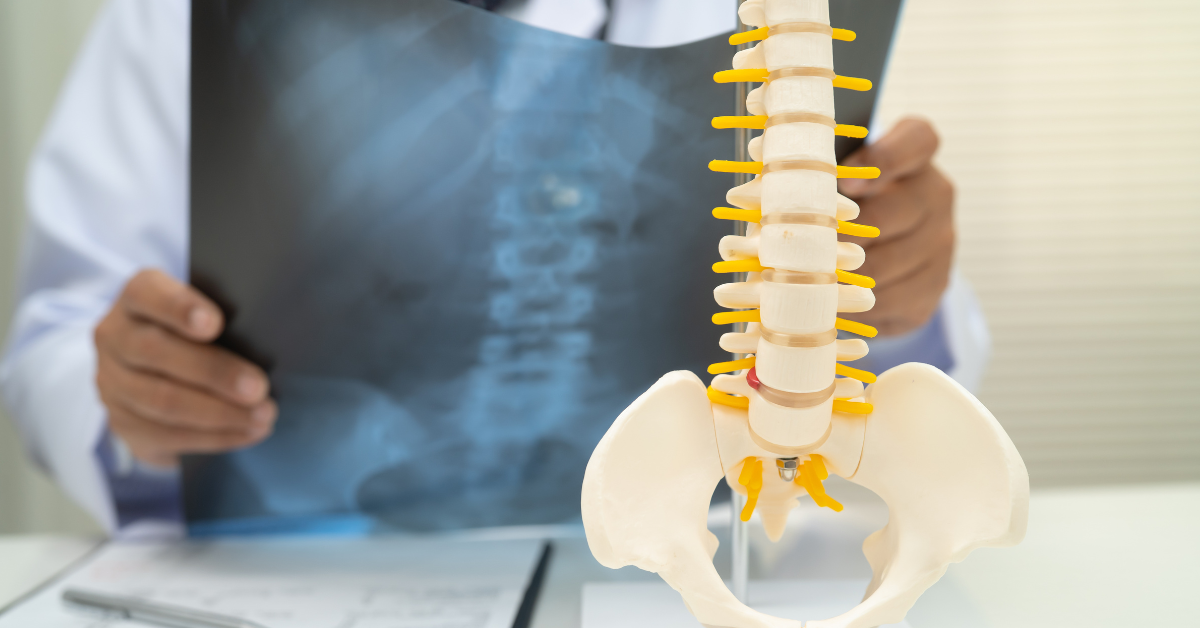
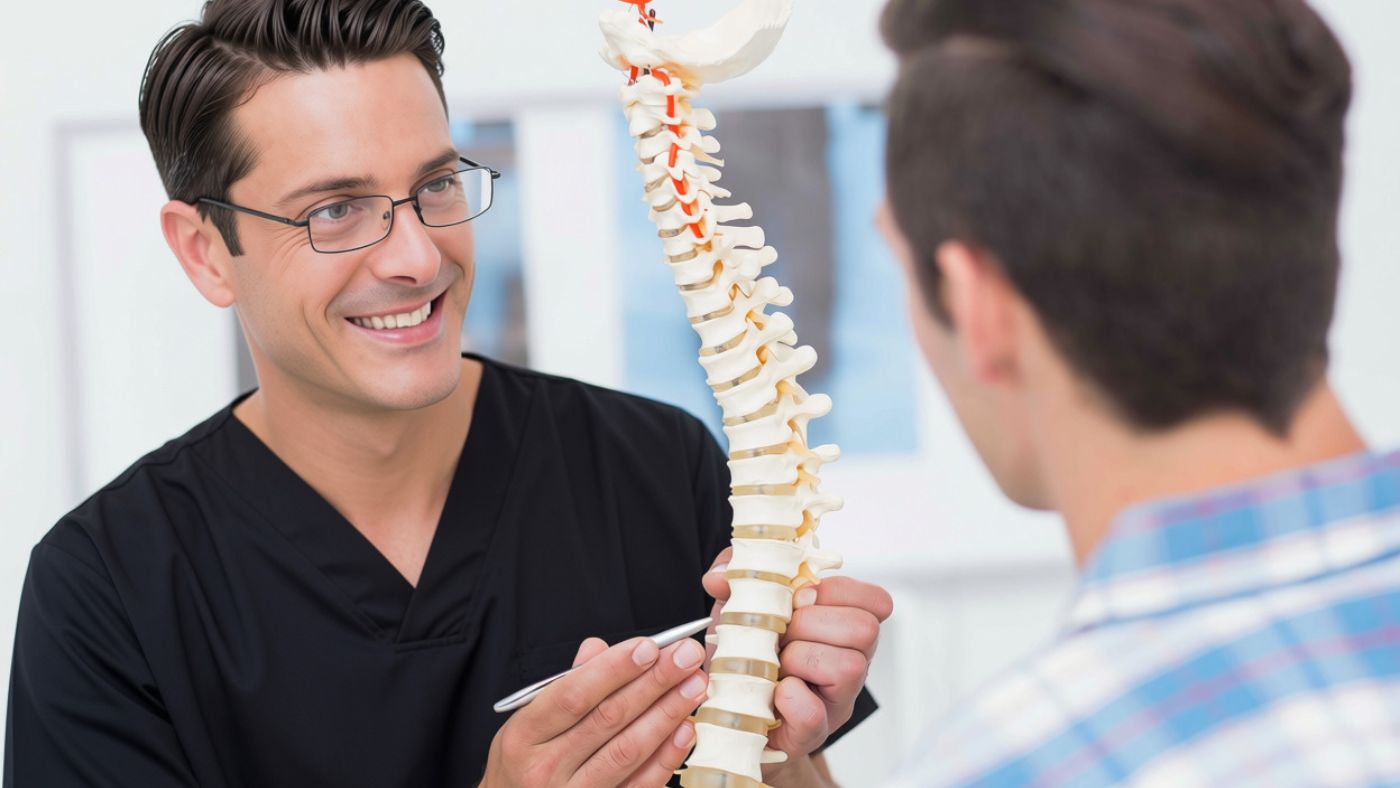
The sacroiliac joint is where the sacrum, the triangular bone at the base of the spine, meets the ilium, the large bone of the pelvis. There are two of these joints, one on each side, and they are held together by some of the strongest ligaments in the body. Their job is not to move freely like a knee or a shoulder but to transfer the load of the upper body into the legs while absorbing shock. A small amount of controlled motion is normal, and problems tend to arise when that motion becomes too great or too restricted.
When the joint moves more than it should, the surrounding ligaments and nerves become irritated, and the result is a deep, localized ache. When the joint becomes stiff and hypomobile, the surrounding muscles often compensate and fatigue, which creates a different but equally frustrating pattern of pain. Either way, the discomfort is mechanical in nature, which is precisely why it so often responds to conservative, physician-directed care rather than surgery.
Part of what makes SI joint pain difficult to pin down is its location. The joint sits close to the lumbar spine and the hip, so its symptoms can imitate a disc problem, sciatica, or hip arthritis. A careful evaluation that reproduces the pain through specific movements and positions is usually what separates true SI joint dysfunction from these look-alike conditions. At OC Wellness Physicians Medical Group, that kind of focused assessment is the starting point for any effective treatment plan.
Signs and Symptoms of SI Joint Dysfunction
The most recognizable sign of sacroiliac joint pain is discomfort concentrated on one side of the lower back and buttock, often described as a dull ache that occasionally sharpens with certain movements. Many patients can point to the painful spot with a single finger, which is unusual for more diffuse lower back conditions. The pain sometimes radiates into the back of the thigh, but it rarely travels below the knee the way true sciatic pain can.
Specific activities tend to provoke the joint. Rising from a seated position, climbing stairs, rolling over in bed, or standing for long periods often aggravates the symptoms. Many people notice that sitting for an extended time and then standing produces a distinct catch or stiffness that eases after a few steps. Carrying weight on one leg, such as standing with the hip cocked to one side, can also reproduce the familiar ache.
Because these patterns overlap with other sources of lower back and hip pain, the symptoms alone are not enough to confirm the diagnosis. What matters is how the pain behaves across a range of positions and movements. A thorough examination, sometimes supported by targeted diagnostic steps, helps confirm that the SI joint is the source before any treatment begins. This is the same deliberate approach our clinical team brings to the broader pain management services offered throughout our Orange County practice.
Common Causes and When Injury Is Involved
Sacroiliac joint pain develops for a variety of reasons, and understanding the cause often shapes the treatment. Pregnancy is a common contributor, because the hormonal changes that loosen pelvic ligaments in preparation for delivery can leave the SI joint less stable. Differences in leg length, an altered walking pattern, or prior lumbar fusion surgery can place uneven stress on the joint over time. Arthritis and the natural wear that comes with age can also affect how the joint moves and feels.
Trauma is another frequent cause, and this is where the SI joint deserves particular attention after an accident. A fall onto the buttock, a hard landing, or the sudden jolt of a motor vehicle collision can strain or disrupt the ligaments that stabilize the joint. In a car accident, the force transmitted through the pelvis as the body is thrown against a seat belt can injure the SI joint even when imaging of the spine looks unremarkable, which is one reason this kind of pain is sometimes dismissed in the days immediately following a crash.
When pain follows an accident, a prompt and well-documented evaluation matters for both recovery and any associated claim. OC Wellness Physicians Medical Group coordinates injury care for patients hurt in collisions and works alongside legal representatives when appropriate, so the injury is assessed, treated, and recorded correctly from the outset. Addressing an SI joint injury early tends to produce a smoother recovery than waiting until a compensating pain pattern has settled in.
Non-Surgical Sacroiliac Joint Pain Treatment Options
The large majority of sacroiliac joint pain responds well to conservative treatment, and the goal is almost always to restore normal, stable motion to the joint while calming the irritated tissues around it. There is no single technique that works for everyone, which is why a layered approach tends to produce the best results. Care is matched to whether the joint is moving too much or too little and to the severity of the symptoms.
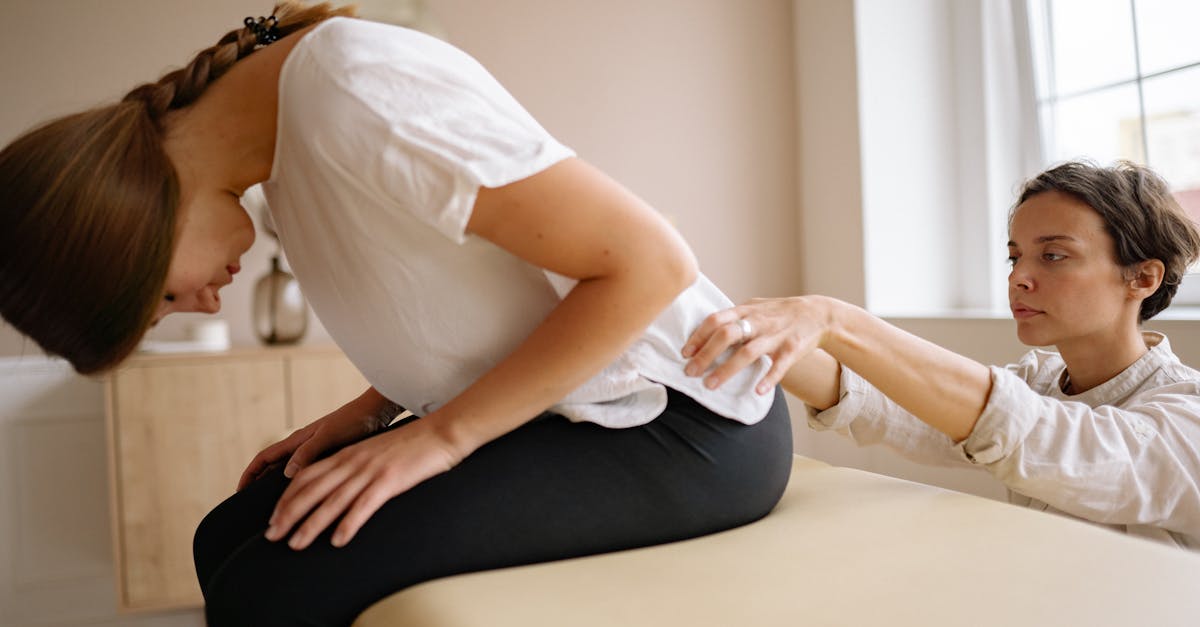
Physical therapy is usually the foundation of treatment. Guided exercise that strengthens the core, the gluteal muscles, and the stabilizers around the pelvis helps the joint carry load the way it is meant to. For a joint that has become hypermobile, this added stability is often what finally settles the pain, while gentle mobility work helps a stiff joint move more freely. Chiropractic care can complement this by addressing joint mechanics directly and improving how the pelvis and lower spine move together.
Pain that makes early rehabilitation difficult can be managed with supportive modalities. Acupuncture and other conservative measures can reduce the discomfort enough to let active treatment progress. For joints that remain painful despite a patient course of care, regenerative medicine options may be considered as part of a physician-directed plan aimed at supporting the ligaments that stabilize the joint. Throughout, the emphasis stays on restoring function rather than simply masking symptoms.
Consistency is an important part of recovery. A guided home program that reinforces the work done in the office helps protect the gains made between visits, and pacing that program to the current state of the joint prevents setbacks. Most patients find that a steady, structured approach brings meaningful and durable relief without the need for surgery.
How OC Wellness Physicians Medical Group Approaches SI Joint Pain
Because sacroiliac joint pain so often hides behind other diagnoses, the first priority is an accurate assessment. Our clinical team evaluates how the joint behaves across the movements and positions that typically provoke it, distinguishes it from lumbar and hip conditions that can mimic it, and confirms the source before building a treatment plan. This careful starting point is what allows the rest of the care to be focused and effective.
From there, OC Wellness Physicians Medical Group draws on the strengths of a multi-specialty practice. Physical therapy, chiropractic care, acupuncture, and regenerative options can be coordinated under one roof and adjusted as the joint responds, rather than treated as separate, disconnected visits. Because our Orange County locations in Westminster, Irvine, Orange, and Mission Viejo share this integrated approach, patients receive consistent care close to home.
For patients whose SI joint pain began with an accident, OC Wellness Physicians Medical Group also provides the documentation and coordination that injury recovery requires, connecting clinical treatment with any legal support that may be needed. The aim in every case is the same: identify the real source of the pain, restore stable and comfortable movement, and help each patient return to the activities that matter to them.
Frequently Asked Questions About Sacroiliac Joint Pain
Can SI joint pain be treated without surgery?
Yes. The great majority of sacroiliac joint pain improves with conservative care, especially targeted physical therapy that restores stability to the pelvis, often combined with chiropractic care and supportive modalities. Surgery is reserved for the small number of cases that do not respond to a patient, well-structured course of non-surgical treatment.
How do I know if my pain is coming from the SI joint and not my lower back?
SI joint pain is usually felt on one side, low and deep in the buttock, and many patients can point to it with one finger. It tends to flare when rising from sitting, climbing stairs, or standing on one leg, and it rarely travels below the knee. A focused examination at OC Wellness Physicians Medical Group helps distinguish it from disc problems, sciatica, and hip conditions that can feel similar.
Can a car accident cause sacroiliac joint pain?
Yes. The force transmitted through the pelvis during a collision can strain or disrupt the ligaments that stabilize the SI joint, sometimes even when spinal imaging looks normal. Because this kind of injury is easy to overlook in the first days after a crash, a prompt evaluation is important for both recovery and documentation.
How long does it take for SI joint pain to improve?
Recovery depends on the cause and how long the pain has been present, but many patients notice meaningful improvement within several weeks of consistent, stage-appropriate care. A guided home program alongside in-office treatment helps protect progress and reduce the chance of recurrence.
What makes sacroiliac joint pain worse?
Prolonged sitting followed by standing, climbing stairs, carrying weight on one leg, and sudden twisting movements commonly aggravate the joint. Matching activity and exercise to the current state of the joint, rather than pushing through pain, is an important part of a safe recovery.
How can OC Wellness help with SI joint pain?
Our multi-specialty clinical team confirms whether the SI joint is the true source of the pain and then coordinates physical therapy, chiropractic care, acupuncture, and regenerative options across four Orange County locations. Call (714) 735-0313 to schedule an evaluation.
If lower back or buttock pain is keeping you from sitting, standing, or moving comfortably, OC Wellness Physicians Medical Group can help you find out whether your sacroiliac joint is the source and build a non-surgical plan to address it. Call us at (714) 735-0313 or visit our contact page to schedule an evaluation. If your pain began with a collision or other accident, learn more about our injury care and attorney support services so your treatment and documentation are handled correctly from the start.