
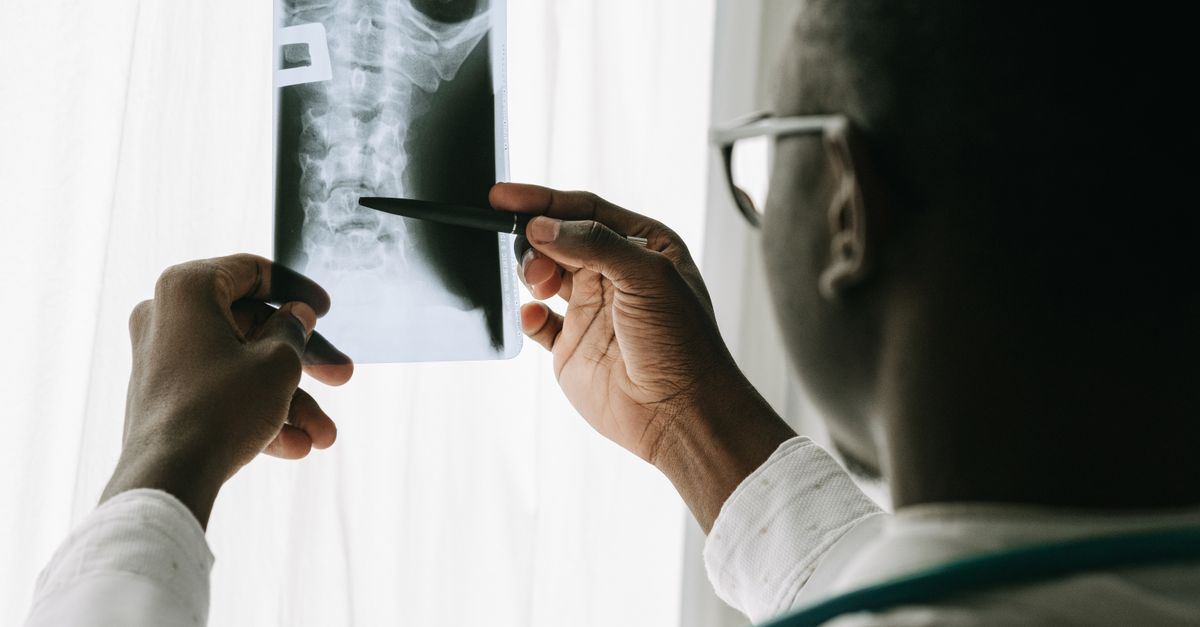
Spinal Stenosis Treatment: Non-Surgical Options in Orange County
Spinal stenosis, a narrowing of the spaces within the spine that can press on the nerves, often causes back or leg pain, numbness, and difficulty standing or walking for long. Many people are relieved to learn that conservative care helps a substantial share of patients manage symptoms without surgery. At OC Wellness Physicians Medical Group, we help patients across our four Orange County locations understand what stenosis is doing to the spine and which non-surgical spinal stenosis treatment options may help them stay active and comfortable.
Understanding Spinal Stenosis
Spinal stenosis describes a narrowing of the spinal canal or the smaller openings through which nerve roots exit the spine. When these spaces become too tight, the spinal cord and surrounding nerves experience increased pressure, and that pressure is what generates pain and other symptoms. The condition is not a sudden injury but rather a structural change that develops gradually over time.
In most cases, stenosis results from the cumulative effects of aging on spinal tissue. Ligaments that support the spine may thicken and stiffen, intervertebral discs can bulge inward, and bony outgrowths known as bone spurs may form along the edges of the vertebrae. Each of these changes, alone or in combination, can encroach on the space the nerves need to function without irritation.
The lumbar spine, which is the lower back, and the cervical spine, which is the neck, are the two regions where stenosis most commonly develops and produces the most noticeable symptoms. Because the lumbar region bears the greatest mechanical load during walking and standing, patients with lumbar stenosis often notice symptoms most acutely during those activities. Cervical stenosis, by contrast, tends to affect the arms and hands and can also influence balance and fine motor coordination.
One of the most recognizable patterns in lumbar stenosis is that symptoms worsen when the spine is extended, such as during prolonged standing or walking, and improve when the spine is flexed forward, such as when sitting or leaning over a shopping cart. This mechanical pattern occurs because spinal flexion temporarily increases the available space within the canal and reduces pressure on the compressed nerves. Recognizing this pattern is clinically meaningful and helps distinguish stenosis from other causes of leg and back pain.
Because stenosis tends to progress gradually rather than appearing suddenly, patients often have an extended window during which early, consistent conservative care can help manage symptoms before they become limiting. Scheduling a thorough evaluation at the first sign of activity-related leg or back symptoms allows our clinical team to gauge the degree of narrowing and begin a structured spinal stenosis treatment plan while options remain broad.

Signs and Symptoms to Watch For
The symptoms of spinal stenosis vary depending on where the narrowing occurs, how severe it is, and which nerves are affected. In the lower back, the most frequent complaint is a deep, aching pain or heavy cramping sensation in the buttocks, thighs, or calves that appears after walking a certain distance and resolves with a brief rest or by sitting down. Clinicians sometimes refer to this pattern as neurogenic claudication, which distinguishes it from the vascular cramping caused by poor circulation.
Numbness or tingling that travels down one or both legs is another common finding in lumbar stenosis. Some patients describe a sensation of weakness in the legs that makes walking feel unsteady, particularly on uneven surfaces. As the condition advances, the distance a person can comfortably walk before symptoms appear tends to shorten, which can meaningfully reduce daily activity and quality of life.
When stenosis affects the cervical spine, the symptoms shift to the upper body. Patients may notice pain, numbness, or a pins-and-needles sensation radiating into the shoulders, arms, or hands. Grip strength can decline, and fine motor tasks such as buttoning clothing or writing may become more difficult. In more advanced cervical cases, impaired coordination or changes in gait may reflect pressure on the spinal cord itself rather than on individual nerve roots.
Many patients with stenosis also report reduced tolerance for standing at a counter, waiting in line, or performing any task that requires holding the spine in an upright, extended position for more than a few minutes. Leaning slightly forward, bracing the arms on a surface, or sitting down provides relief because those positions decompress the affected segment. This pattern, while frustrating in daily life, is diagnostically informative and helps guide the selection of spinal stenosis treatment strategies.
A careful clinical evaluation is important because several other conditions, including disc herniation, hip arthritis, and peripheral neuropathy, can produce overlapping symptoms. Distinguishing among these causes requires a thorough physical examination, a detailed history of how and when symptoms appear, and appropriate imaging. Our clinical team at our pain management program combines these elements to build an accurate picture of each patient’s condition before recommending treatment.
Non-Surgical Spinal Stenosis Treatment Options
Conservative care is widely recognized as the appropriate starting point for the majority of patients with spinal stenosis, and it produces meaningful symptom relief for a substantial proportion of those who follow a structured program. The goal of non-surgical spinal stenosis treatment is not to reverse the structural narrowing, which is a permanent anatomical change, but rather to reduce nerve irritation, improve the supporting musculature, and help the patient maintain as much function and comfort as possible.
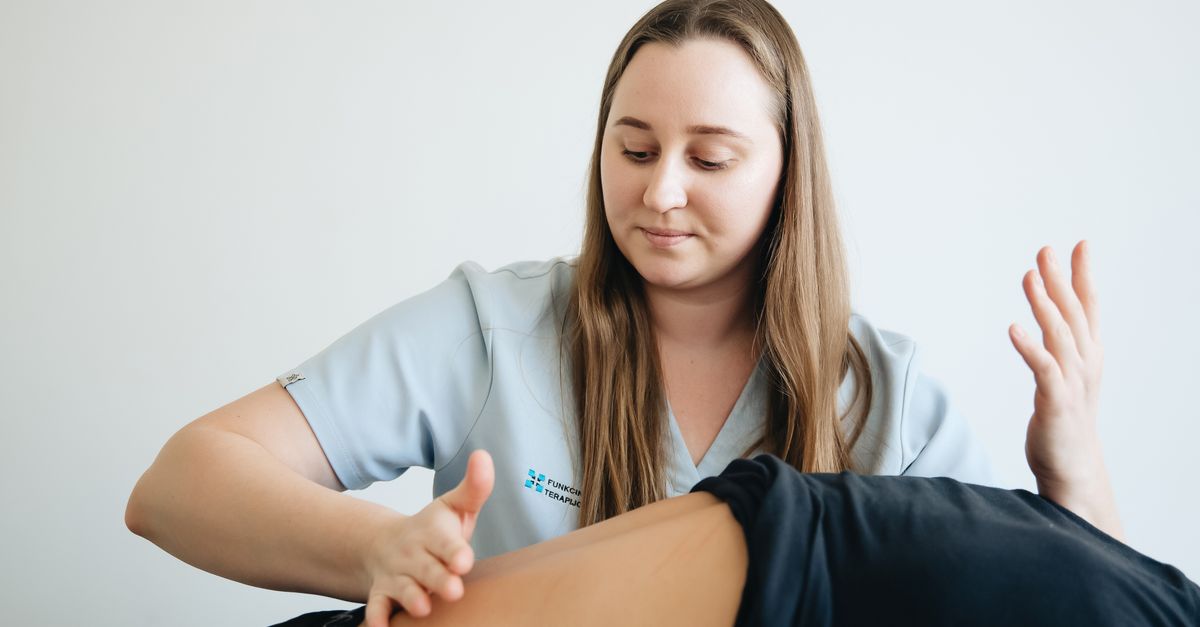
Physical therapy is one of the most well-supported components of conservative stenosis care. A therapist trained in spinal rehabilitation designs a program that strengthens the deep stabilizing muscles of the core and lower back, which reduces the mechanical load transmitted through the narrowed segments. Stretching routines that promote lumbar flexion can temporarily increase the available canal space and relieve nerve pressure, while postural training helps patients adopt positions that minimize symptom provocation throughout the day. Patients often find that a consistent physical therapy program expands how far they can walk before symptoms appear.
Chiropractic care addresses the mechanical aspects of stenosis by working to improve the alignment and movement of spinal segments. Spinal decompression, a technique in which controlled traction is applied to the spine, aims to gently separate the vertebral segments and reduce compressive forces on the discs, ligaments, and nerve roots. For some patients, this approach contributes to symptom relief that complements what is achieved through exercise and postural work.
Acupuncture offers another avenue for managing the pain and inflammation associated with nerve compression. By stimulating specific anatomical points, acupuncture may modulate pain signaling pathways and reduce the muscle guarding that often develops around a painful spinal segment. Patients who are sensitive to medications or who prefer to minimize pharmacological approaches sometimes find acupuncture a useful addition to their overall plan.
Laser therapy uses targeted light energy to reduce localized inflammation and support tissue recovery around compressed neural structures. It is a non-invasive treatment applied directly over the affected spinal region and is generally well tolerated. When combined with physical therapy and other conservative measures, laser therapy may help reduce the inflammatory component of nerve irritation and support the rehabilitation process.
Activity modification and pacing strategies round out the non-surgical toolkit. Many patients benefit from practical guidance on how to position themselves during daily tasks, how to incorporate rest intervals into longer activities, and how to use assistive strategies such as a walking aid that allows a slightly forward-leaning posture. These behavioral adjustments do not require any equipment or procedures, but they can meaningfully extend functional capacity when applied consistently. Regenerative medicine approaches may also be considered for appropriate patients as part of a broader plan to address tissue health around the affected spinal segments.
When to Consider Further Evaluation
Most patients with spinal stenosis are appropriate candidates for a sustained trial of conservative care, and many do well over months and years with a consistent non-surgical plan. The structural nature of the condition means that the goal is ongoing management of symptoms and preservation of function rather than a complete cure, and conservative strategies are well suited to that goal for the majority of patients.
Certain developments, however, indicate that closer evaluation is warranted. Progressive weakness in the legs or arms that worsens despite conservative treatment suggests that nerve function may be declining in a way that deserves prompt attention. Similarly, worsening balance, increasing difficulty with coordination, or any loss of bladder or bowel control are clinical signals that require a thorough reassessment of the patient’s condition and the current treatment plan.
Our clinical team monitors symptom patterns over time and adjusts treatment accordingly. When a patient’s response to one approach plateaus, the team reviews whether adding or substituting another modality is appropriate before drawing conclusions about the limits of conservative care. This iterative process ensures that patients receive the full benefit of non-surgical options before more invasive interventions are considered.
Setting realistic expectations is an integral part of responsible stenosis management. Patients who understand that stenosis is a structural condition that can be managed rather than eliminated tend to engage more consistently with their care programs and report greater satisfaction with their outcomes. Part of the clinical team’s role is to explain, in clear terms, what conservative treatment can and cannot achieve for a given degree of narrowing and a given set of symptoms.
A thorough evaluation that includes a careful physical examination and appropriate imaging clarifies the severity of the narrowing, identifies which nerve levels are most affected, and informs which treatments are most likely to provide benefit. Patients who have been living with gradually worsening symptoms and have not yet had a formal assessment are encouraged to schedule an evaluation so that a structured plan can be established before symptoms progress further.
How OC Wellness Treats Spinal Stenosis
At OC Wellness Physicians Medical Group, care for spinal stenosis begins with a comprehensive evaluation designed to confirm the diagnosis, determine the location and degree of narrowing, and understand how the condition is affecting each patient’s daily function and quality of life. This evaluation forms the foundation of a personalized treatment plan rather than a generic protocol applied uniformly to all patients with the same diagnosis.
Our multi-specialty clinical team brings together expertise in physical therapy, chiropractic care, acupuncture, laser therapy, and spinal decompression under one coordinated program. Because stenosis responds best to a combination of approaches that address both the mechanical and the neurological dimensions of the condition, having these services available and coordinated within a single practice simplifies the patient’s experience and improves continuity of care. Team members communicate regularly about each patient’s progress, which allows the plan to be refined as symptoms evolve.
Treatment at OC Wellness Physicians Medical Group is tailored to each patient’s symptom pattern, activity level, and personal goals. A patient who wants to return to walking a neighborhood trail has different priorities than one who primarily wants relief from symptoms that interfere with sleep or seated work, and the treatment emphasis reflects those differences. The clinical team takes time to understand what matters most to each patient and structures the plan accordingly.
Care is delivered across four Orange County locations in Westminster, Irvine, Orange, and Mission Viejo, making it practical for patients throughout the region to attend regular appointments without long travel. Consistent follow-up is built into the program so that the clinical team can track progress, identify any changes in symptoms, and adjust the treatment plan before small setbacks become larger problems.
OC Wellness Physicians Medical Group also recognizes that spinal stenosis does not exist in isolation. Patients frequently present with related conditions such as disc degeneration, facet arthritis, or radiculopathy that contribute to their overall symptom burden. Our physician-directed care model ensures that the full clinical picture is considered when developing and refining each patient’s spinal stenosis treatment plan, which leads to more accurate targeting of the interventions most likely to help.
Frequently Asked Questions About Spinal Stenosis Treatment
Can spinal stenosis be treated without surgery?
Yes. Many patients manage spinal stenosis symptoms effectively with conservative care such as physical therapy, chiropractic care, spinal decompression, acupuncture, and laser therapy. Surgery is generally reserved for severe or progressive cases that do not respond to non-surgical treatment.
What are the first signs of spinal stenosis?
Early signs often include back or neck pain along with leg or arm symptoms that appear with activity, such as heaviness or cramping in the legs when walking that eases with rest or leaning forward. An evaluation at OC Wellness Physicians Medical Group can confirm the cause and guide an appropriate treatment plan.
Does spinal stenosis get worse over time?
Stenosis is a progressive, structural condition, but the pace varies considerably among individuals and symptoms can often be managed for years with consistent conservative care. Staying active within a guided program and addressing posture and spinal mechanics help many patients maintain meaningful function over the long term.
Can physical therapy help spinal stenosis?
Yes. Physical therapy is a cornerstone of stenosis care because strengthening the core, improving flexibility, and training better posture can reduce pressure on the compressed nerves and improve walking tolerance for many patients. A program tailored to the specific level and pattern of stenosis tends to produce the most consistent results.
Is walking good for spinal stenosis?
Staying active is generally beneficial, and many patients tolerate walking better when leaning slightly forward, such as when pushing a cart or using a walking aid. A guided program balances activity with appropriate pacing strategies so that patients build endurance without provoking significant symptom flares. Recommendations are tailored to each patient’s current tolerance and goals.
How can OC Wellness help with spinal stenosis?
Our multi-specialty clinical team evaluates the severity of your stenosis and coordinates physical therapy, chiropractic care, spinal decompression, acupuncture, and laser therapy across four Orange County locations. The physician-directed clinical team builds a treatment plan specific to your diagnosis and goals, monitors progress at each visit, and adjusts care as the condition responds. Contact us to ask about scheduling or to learn more about what to expect from your first visit.
If you are experiencing back or leg pain, numbness, or reduced walking tolerance that may be related to spinal stenosis, the clinical team at OC Wellness Physicians Medical Group is ready to help. Call us at (714) 735-0313 to schedule an evaluation at one of our Westminster, Irvine, Orange, or Mission Viejo locations. You can also reach the team through our contact page to find the location most convenient for you. A structured evaluation is the first practical step toward managing your symptoms and protecting your long-term mobility.