

Bulging Disc Treatment: Non-Surgical Options in Orange County
A bulging disc occurs when one of the cushioning discs between the vertebrae extends beyond its normal border, sometimes pressing on nearby nerves and causing back pain, stiffness, or symptoms that travel into an arm or leg. The good news is that most bulging discs improve with conservative care. At OC Wellness Physicians Medical Group, we help patients across our four Orange County locations understand what a bulging disc is doing to the spine and which non-surgical bulging disc treatment options may help them recover. Our physician-directed approach to pain management means that every care plan is grounded in a thorough clinical evaluation before any treatment begins.
What a Bulging Disc Is
The spine is made up of stacked vertebrae separated by intervertebral discs, each of which acts as a shock absorber and allows the vertebrae to move fluidly against one another. A bulging disc occurs when the outer wall of one of these discs pushes outward beyond its normal boundary, reducing the space available for the nerves that exit the spinal canal at each level. The disc itself remains intact in the sense that its inner material, called the nucleus pulposus, has not broken through the outer wall. This is one of the key distinctions between a bulging disc and a herniated disc, in which the inner material does rupture through the outer layer. Despite this structural difference, the two conditions can produce overlapping symptoms, which is why clinical evaluation and imaging are important for distinguishing them accurately.
Bulging discs are among the more common findings on spinal imaging, and a significant portion of adults who have one will never experience any symptoms at all. The disc may have gradually shifted outward as a result of the natural aging process, repetitive loading, or postural stress over many years. When the bulge remains small and does not impinge on surrounding structures, it may be discovered only incidentally when imaging is performed for an unrelated reason. This incidental finding does not necessarily call for treatment, and understanding that distinction helps patients avoid unnecessary concern.
When a bulge does press against a nearby nerve root or the spinal cord itself, the situation changes. Nerve tissue is sensitive to mechanical pressure, and even modest compression can produce pain, numbness, tingling, or weakness. These nerve-related symptoms often travel along the path of the affected nerve, appearing some distance away from the disc itself. Whether a nerve is involved, and to what degree, is one of the most important questions a clinical evaluation seeks to answer, because the presence of nerve compression shapes the treatment approach considerably.
Common Symptoms of a Bulging Disc
The symptoms produced by a bulging disc depend largely on where in the spine the disc is located and whether the bulge is contacting a nerve. When the affected disc is in the lumbar spine, the most common presentation is lower back pain accompanied by sensations that radiate into the buttock, the back of the thigh, the calf, or even the foot. This pattern of radiating symptoms is often associated with irritation of the sciatic nerve, though the specific nerve root involved determines the exact distribution of pain or numbness.
A bulging disc in the cervical spine, meaning the neck, tends to produce a different symptom pattern. Patients typically report neck pain or stiffness along with sensations that extend into the shoulder, the upper arm, the forearm, or the fingers. The specific fingers or regions of the arm that are affected can help a clinician identify which cervical nerve root is being compressed. In both lumbar and cervical cases, symptoms often vary with body position. Prolonged sitting, sustained forward bending, or postures that increase pressure on the disc tend to worsen discomfort, while gentle movement or positional changes sometimes bring partial relief.
It is worth noting that many people with a bulging disc experience only intermittent or mild symptoms. For these individuals, conservative bulging disc treatment is generally very effective and is widely regarded as the appropriate starting point. A careful clinical evaluation is still important, however, because similar symptoms can arise from other spinal conditions, joint disorders, or soft tissue problems that call for a different approach. Accurate diagnosis is the foundation on which a meaningful treatment plan is built.
Non-Surgical Bulging Disc Treatment Options
Conservative care encompasses a range of evidence-supported treatments that address both the structural factors contributing to a bulging disc and the symptoms it produces. Physical therapy is frequently a central component of non-surgical bulging disc treatment. A structured therapy program builds strength in the muscles that stabilize the spine, particularly those of the core and the paraspinal region, reducing the mechanical load placed on the affected disc. Therapists also work with patients on movement patterns, teaching them how to bend, lift, and sit in ways that minimize disc pressure during daily activities.
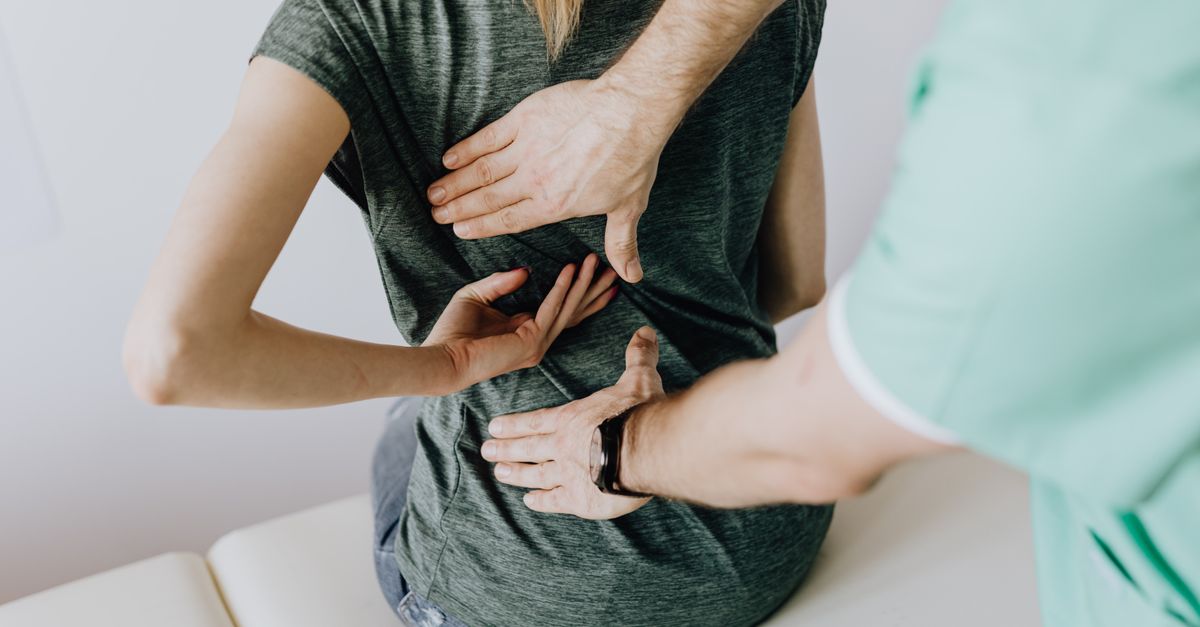
Chiropractic care and spinal decompression are additional tools that can contribute meaningfully to recovery. Chiropractic assessment focuses on the mechanics of the spine as a whole, identifying areas of restricted or abnormal movement that may be placing additional stress on the affected segment. Spinal decompression, whether performed mechanically on a specialized table or through specific manual techniques, aims to create gentle negative pressure within the disc space, which may help reduce the bulge and take pressure off irritated nerves. These approaches are most effective when integrated with the rest of the care plan rather than used in isolation.
Acupuncture and laser therapy serve complementary roles in managing the pain and inflammation that accompany nerve irritation from a bulging disc. Acupuncture involves the precise placement of fine needles at specific anatomical points to modulate pain signals and support tissue healing. Laser therapy uses focused light energy to promote circulation and reduce inflammatory activity at the cellular level. Both modalities are non-invasive and well-tolerated, and both are sometimes used to help patients remain comfortable enough to participate fully in the active rehabilitation components of their care.
Posture correction and ergonomic adjustment are practical strategies that extend the benefits of formal treatment into everyday life. Many patients with bulging discs spend significant portions of the day in positions or performing tasks that repeatedly stress the affected disc. Identifying and modifying these habits, whether at a desk, during driving, or in physical work, helps reduce the cumulative strain that can slow recovery or cause symptoms to recur. These adjustments are personalized based on each patient’s daily environment and activity level. For patients whose condition might benefit from additional biological support, regenerative medicine options may also be explored as part of a broader, individualized plan.
When Symptoms Need Closer Attention
The majority of patients with a bulging disc experience meaningful improvement over several weeks to a few months when they adhere consistently to a conservative care program. The disc does not need to fully return to its original position for symptoms to resolve; in many cases, a reduction in inflammation around the affected nerve, combined with improved spinal support and movement mechanics, is sufficient to produce significant relief. Setting realistic expectations about this timeline is an important part of responsible care, and the clinical team at OC Wellness Physicians Medical Group reviews progress at each follow-up visit to ensure the plan remains appropriate.
There are circumstances, however, in which symptoms warrant closer evaluation rather than continued conservative management alone. Progressive weakness in a limb, a marked increase in numbness, or loss of bowel or bladder control are signals that the level of nerve involvement may be more significant than initially assessed. These findings prompt a reassessment that may include updated imaging or a referral to a spine specialist for consultation. The goal is never to delay necessary intervention, and the clinical team monitors nerve-related symptoms carefully throughout the course of treatment.
Imaging plays an important role in clarifying what is happening structurally. An MRI is the most informative study for evaluating a bulging disc because it shows the soft tissue detail of the disc itself, the degree of bulging, and whether any nerve roots appear to be compressed. X-rays, while less detailed for soft tissue, can reveal degenerative changes in the vertebrae and help rule out other structural problems. The results of imaging are interpreted alongside a patient’s clinical presentation, since a large bulge on an image does not always correspond to severe symptoms, and a relatively modest bulge can sometimes cause significant nerve irritation depending on its location.
Recovery from a bulging disc is usually gradual, and patients who understand this are better positioned to stay engaged with their care over the necessary timeframe. A plan that delivers small, consistent gains over several weeks is typically more sustainable and more durable than one that aims for rapid but short-lived improvement. The clinical team adjusts the intensity and focus of treatment as the patient’s condition evolves, scaling up activity when appropriate and moderating it when needed.
How OC Wellness Physicians Medical Group Treats Bulging Discs
At OC Wellness Physicians Medical Group, the process of addressing a bulging disc begins with a thorough evaluation designed to confirm the diagnosis, identify the level and location of the affected disc, and determine whether any nerve involvement is present. This evaluation draws on a detailed patient history, a physical examination that assesses neurological function and spinal mobility, and review of any existing imaging or new studies that are ordered. A precise understanding of the problem is essential before a treatment plan is assembled.
Our multi-specialty clinical team is structured to coordinate several treatment disciplines within a single physician-directed framework. Physical therapy, chiropractic care, spinal decompression, acupuncture, and laser therapy can all be accessed within our practice, and the team communicates across these disciplines to ensure that each component of care supports the others. This coordination reduces the fragmentation that can occur when patients manage multiple providers independently, and it allows the treatment plan to be adjusted efficiently when one element is not producing the expected response.
Treatment at OC Wellness Physicians Medical Group is tailored to the specifics of each patient’s situation rather than applied as a generic protocol. The location of the disc, the nature and severity of symptoms, the presence of nerve involvement, and each patient’s personal goals and activity level all inform how care is structured. A patient who needs to return to a physically demanding job has different priorities than one whose primary concern is managing pain during sedentary work, and the plan reflects those differences.
Care is available across four Orange County locations, including Westminster, Irvine, Orange, and Mission Viejo, which makes it practical for patients throughout the region to attend consistent follow-up appointments. Coordinated follow-up is not optional in a responsible bulging disc treatment program; it is the mechanism through which the clinical team tracks recovery, identifies any concerns early, and confirms that the treatment plan continues to be appropriate as the patient’s condition changes. Patients who are managing the effects of an injury may also benefit from the practice’s experience with coordinating care documentation relevant to their recovery.
If you are living with back pain, neck pain, or radiating symptoms that may be related to a bulging disc, a structured evaluation is the most practical first step toward understanding your options. OC Wellness Physicians Medical Group provides physician-directed, non-surgical bulging disc treatment across four Orange County locations, with a clinical team experienced in coordinating the full range of conservative care modalities.
Frequently Asked Questions About Bulging Disc Treatment
Can a bulging disc heal without surgery?
Yes. Most bulging discs improve with conservative care such as physical therapy, chiropractic care, spinal decompression, acupuncture, and laser therapy. Surgery is generally reserved for cases with significant nerve compression that do not respond to non-surgical treatment over an adequate period of time.
What is the difference between a bulging disc and a herniated disc?
A bulging disc extends beyond its normal border without the inner material breaking through the outer wall, while a herniated disc involves the inner material pushing through the outer wall. Symptoms can overlap considerably between the two, and a clinical evaluation at OC Wellness Physicians Medical Group clarifies which condition is present and guides the appropriate course of treatment.
How long does it take for a bulging disc to feel better?
Many patients experience meaningful improvement over several weeks to a few months with consistent conservative care, though the timeline varies based on the size of the bulge, the location of the disc, and whether a nerve root is involved. Your provider will set realistic expectations based on the findings from your evaluation and will monitor your progress throughout the course of treatment.
What activities should I avoid with a bulging disc?
Prolonged sitting, repetitive bending, and heavy lifting performed with poor spinal mechanics often aggravate a bulging disc and can slow recovery. The general goal is to modify these activities while remaining as active as possible within a guided program, since complete rest is rarely beneficial. A provider can advise on which specific movements to adjust based on the location of your disc and the nature of your symptoms.
Can a chiropractor help a bulging disc?
Chiropractic care and spinal decompression can help many patients by improving spinal mechanics and reducing the load placed on the affected disc segment. These approaches are often combined with physical therapy and other treatment modalities in a coordinated plan that is tailored to the patient’s specific diagnosis and goals rather than applied as a standalone intervention.
How can OC Wellness Physicians Medical Group help with a bulging disc?
Our multi-specialty clinical team evaluates the cause of your symptoms and coordinates physical therapy, chiropractic care, spinal decompression, acupuncture, and laser therapy across four Orange County locations. The plan is personalized to your diagnosis and adjusted as your recovery progresses, with consistent follow-up to ensure you are moving in the right direction.
To schedule an evaluation with the clinical team at OC Wellness Physicians Medical Group, call (714) 735-0313 or reach out through our contact page to find the Orange County location most convenient for you. Our team coordinates physical therapy, chiropractic care, and pain management to help you understand your diagnosis and take the next step toward non-surgical relief from a bulging disc.