

Acupuncture for Back Pain: What to Know in Orange County
Acupuncture is an established option for managing back pain, and a growing body of clinical literature supports its role in reducing discomfort and supporting function. For many patients it works best as one part of a coordinated plan rather than a standalone fix. At OC Wellness Physicians Medical Group, we help patients across our four Orange County locations understand how acupuncture for back pain works, what a session involves, and how it fits alongside the other conservative treatments we offer.
How Acupuncture May Help Back Pain
Acupuncture involves placing very fine needles at specific anatomical points on the body with the goal of influencing how the nervous system processes pain and regulates tissue tension. The technique has been practiced for centuries and has accumulated a substantial base of modern clinical research examining its effects on musculoskeletal pain, particularly in the lower back. Several systematic reviews and clinical guidelines now recognize acupuncture as a reasonable conservative option for certain types of back pain, placing it alongside physical therapy and other non-pharmacological approaches.
One of the more well-documented mechanisms is acupuncture’s potential to modulate pain signals at both the local tissue level and within the central nervous system. By stimulating specific points, the treatment may prompt the release of endogenous opioids and other neuromodulatory compounds that reduce the perception of pain. At the same time, targeted needling can help reduce localized muscle tension, which is a common contributor to both acute and persistent back discomfort. When muscle guarding decreases, patients often find it easier to participate in active rehabilitation exercises that build the lasting strength their spine needs.
It is worth noting that acupuncture is generally well tolerated and carries a low risk of adverse effects when performed by a trained and licensed provider. Serious complications are rare, and the most commonly reported experiences are minor, such as brief soreness at needle sites. This favorable safety profile makes acupuncture a reasonable consideration for patients who are sensitive to medications or who are looking to minimize pharmacological interventions during their recovery.
Clinical evidence consistently suggests that acupuncture produces the most meaningful outcomes when it is integrated with other forms of care rather than used in isolation. A patient who receives acupuncture alone but does not address underlying movement deficits or spinal mechanics may experience temporary relief without achieving durable improvement. For this reason, our pain management approach at OC Wellness Physicians Medical Group treats acupuncture as one component within a broader, coordinated plan rather than a primary or exclusive treatment.
What to Expect During a Session
Before any needles are placed, your session begins with a focused review of your symptoms, the history of your back pain, and the specific areas that appear to be contributing to your discomfort. This intake process allows the treating provider to identify the points most relevant to your presentation and to confirm that acupuncture is appropriate given your overall health picture. Patients are encouraged to describe not only where their pain is located but also what activities aggravate or relieve it, since this information shapes the selection of needle sites.
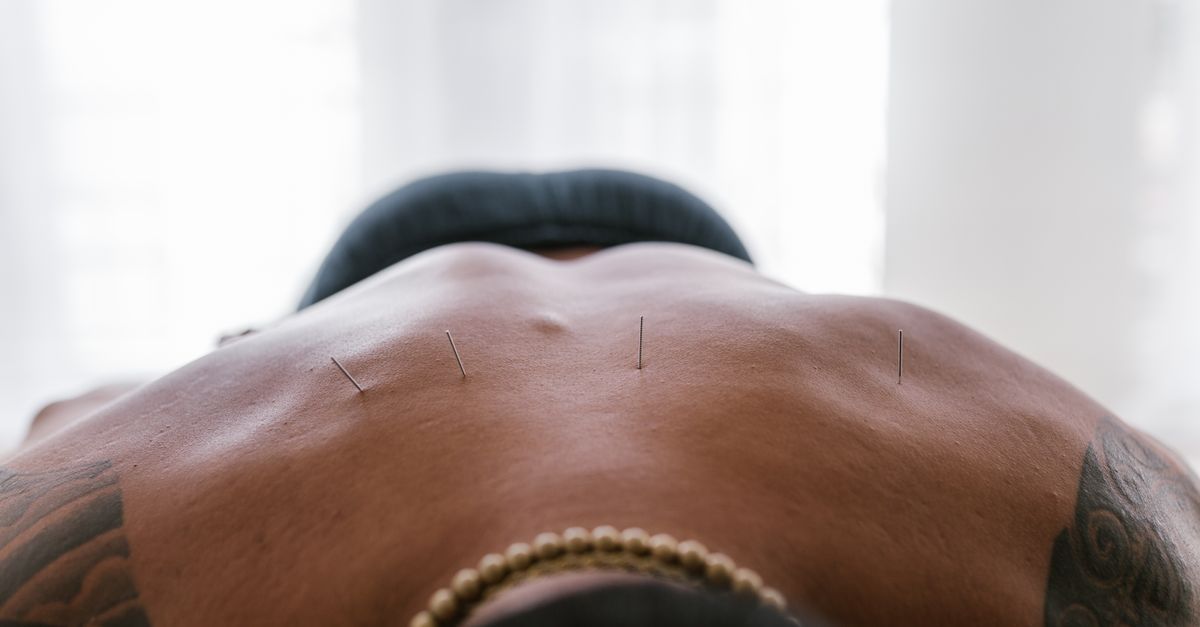
Once the evaluation is complete, very fine, single-use sterile needles are placed at the selected points. The needles are considerably thinner than those used for injections or blood draws, and most patients feel little more than a mild pressure or brief tingling sensation as each one is introduced. Some patients report a dull, achy sensation at the needle site, which practitioners often describe as a sign that the point has been effectively engaged. After placement, the needles typically remain in position for a defined period while the patient rests quietly, allowing the therapeutic effect to develop.
A single session rarely resolves a back pain problem that has been present for weeks or months. A course of several sessions spaced over a defined period is typically recommended because the benefits of acupuncture tend to build incrementally rather than appearing all at once. The number of sessions appropriate for your situation depends on the nature and duration of your back pain, how your body responds to initial treatments, and what other therapies are being delivered concurrently. Your provider will outline a realistic treatment schedule during the initial evaluation and will adjust that schedule based on your progress.
Throughout the course of care, communication between you and your clinical team remains important. If a particular point produces unexpected discomfort, or if you notice changes in your symptoms between sessions, sharing that information allows your provider to refine the approach. Acupuncture is not a passive process on the patient’s part, and patients who stay engaged with the process and with their broader rehabilitation program tend to achieve better outcomes than those who treat sessions as isolated appointments.
Conditions and Back Pain Acupuncture May Support
Acupuncture has the strongest support in the clinical literature for nonspecific low back pain, which refers to back pain that does not have a clearly identified structural cause such as a fracture or tumor. Nonspecific low back pain is by far the most common category, and it is often characterized by muscle tension, stiffness, and pain that varies with posture and activity. For patients in this category, acupuncture may help reduce the intensity of discomfort and improve functional tolerance for daily activities during the recovery period.
Beyond nonspecific pain, acupuncture is also used as a complementary treatment for back pain related to disc and joint problems. Conditions such as degenerative disc disease, facet joint irritation, and sacroiliac joint dysfunction can produce persistent pain and muscle guarding that limit participation in physical therapy. Acupuncture may help reduce this secondary muscle tension, making it easier for patients to engage with the corrective exercise and manual therapy components of their plan. In this role, it functions as a facilitator of other treatments rather than a primary corrective intervention.
Pain that radiates from the lower back into the leg, sometimes associated with nerve irritation or disc herniation, is another area where acupuncture is frequently incorporated alongside other care. While acupuncture does not resolve the structural issue producing nerve compression, it may help modulate the pain experience and reduce associated muscle spasm, providing a measure of relief while the underlying condition is addressed through other means. An honest evaluation is necessary to determine how significant a role acupuncture can reasonably play in any individual case involving radiating symptoms.
It is equally important to be clear about what acupuncture does not do. It does not replace the need to address the underlying mechanical factors that contribute to back pain, including poor spinal stability, movement pattern deficits, or joint restriction. Patients who rely on acupuncture without also working to improve strength, flexibility, and movement quality are unlikely to achieve lasting relief. A thorough evaluation at OC Wellness Physicians Medical Group helps identify which combination of treatments is best suited to your particular back pain presentation. You can learn more about our full range of regenerative medicine and conservative care options when you schedule your initial visit.
Combining Acupuncture With Other Care
The clinical rationale for combining acupuncture with other treatments rests on the fact that each modality targets different aspects of the back pain problem. Acupuncture may modulate pain signals and reduce muscle tension, but it does not strengthen the muscles that support the lumbar spine or correct the movement habits that place excessive load on spinal structures. Physical therapy addresses precisely these elements, using targeted exercise, neuromuscular re-education, and hands-on techniques to improve the mechanical foundation of the spine. When acupuncture reduces pain intensity enough to allow more productive engagement in physical therapy, the two treatments create a reinforcing relationship.
Chiropractic care contributes another layer to this integrated approach by addressing joint restriction and alignment issues that contribute to back pain and altered movement patterns. Restricted segments of the spine can produce localized pain and lead to compensatory patterns in surrounding muscles and joints. Chiropractic adjustments aimed at restoring normal joint mobility can complement the pain-modulating effects of acupuncture and the strengthening work done in physical therapy, creating a more comprehensive effect than any of these interventions would achieve independently.
During phases when inflammation is a significant contributor to pain, laser therapy may be added to the plan. Low-level laser therapy works at the cellular level to support tissue repair and reduce inflammatory activity, which can help manage pain during the early or acute stages of an injury or flare. When laser therapy is combined with acupuncture and physical rehabilitation, the overall plan addresses pain, inflammation, tissue healing, and mechanical function simultaneously, rather than targeting only one of these factors at a time.
The clinical team at OC Wellness Physicians Medical Group monitors your response to treatment and adjusts the composition of your plan accordingly. If a patient responds particularly well to acupuncture and is making rapid progress in physical therapy, the balance of treatments may shift over time to emphasize maintenance and strengthening. If certain components are not producing the expected benefit, they can be modified or replaced. This flexibility is a defining feature of coordinated multi-disciplinary care and distinguishes it from a fixed protocol applied uniformly to every patient.
How OC Wellness Uses Acupuncture for Back Pain
At OC Wellness Physicians Medical Group, acupuncture is offered as a formal component of an integrated, physician-directed approach to back pain rather than as a standalone service. When a patient presents with back pain, our clinical team conducts a structured evaluation that considers the nature, duration, and severity of symptoms, the presence of any underlying conditions, and the patient’s functional goals. Based on that evaluation, the team determines whether acupuncture is appropriate and how it should be coordinated with other components of the plan.
Coordination across treatment modalities is central to how OC Wellness Physicians Medical Group delivers care. Rather than receiving acupuncture from one provider and physical therapy from another with no communication between them, patients benefit from a clinical team that shares information and adjusts the overall plan as a unit. This coordination means that the acupuncture provider understands what goals are being pursued in physical therapy, and the physical therapist understands what symptoms the acupuncture is targeting. The result is a more coherent and efficient path toward recovery.
Acupuncture is coordinated with physical therapy, chiropractic care, and laser therapy as clinically appropriate for each patient’s presentation. Not every patient will require all of these modalities, and the clinical team does not apply a uniform package to every back pain case. The composition of the plan reflects the individual’s specific needs, and that composition is revisited at each stage of treatment to confirm it remains appropriate as the patient progresses.
Care is available across four Orange County locations, in Westminster, Irvine, Orange, and Mission Viejo, making it practical for patients throughout the region to access consistent, coordinated treatment without long travel times. Each location operates under the same clinical standards and communicates within the same system, so continuity of care is maintained regardless of which office a patient visits. If your work schedule or location makes one office more convenient on a given week, the transition between locations is straightforward.
A structured evaluation is the most practical first step for anyone considering acupuncture for back pain in Orange County. OC Wellness Physicians Medical Group provides that evaluation with the goal of giving patients a clear, honest picture of which treatments are likely to help, how they will work together, and what a realistic recovery timeline looks like. Reaching out to our team is the starting point for building a plan that fits your specific situation.
Does acupuncture work for back pain?
A growing body of clinical literature supports acupuncture as a reasonable option for managing certain types of back pain, particularly nonspecific low back pain. Research suggests it can help reduce pain intensity and improve function, especially when it is delivered as part of a coordinated plan that also addresses the strength and mechanical factors underlying the problem. Whether acupuncture is appropriate for your specific situation depends on the nature of your back pain, your overall health, and what other treatments are part of your plan. An evaluation at OC Wellness Physicians Medical Group can provide a clear answer based on your individual presentation.
How many acupuncture sessions are needed for back pain?
The number of sessions needed varies from patient to patient and depends on the type and duration of back pain, the individual’s response to treatment, and what other therapies are being delivered alongside acupuncture. In general, a course of several sessions is recommended because the benefits of acupuncture tend to build over time rather than appearing fully after a single visit. Some patients notice meaningful improvement within the first few sessions, while others require a longer course before changes become consistent. Your provider will suggest a treatment schedule during your initial evaluation and will update that recommendation as your progress becomes clearer.
Does acupuncture hurt?
Most patients find acupuncture considerably more comfortable than they anticipated before their first session. The needles used are extremely fine, far thinner than the needles associated with injections or blood draws, and the sensation of placement is typically described as a mild pressure, brief tingling, or a dull ache at the needle site. These sensations are transient and generally subside quickly once the needle is in position. Acupuncture is considered well tolerated, and when it is performed by a trained and licensed provider, the risk of adverse effects is low. If at any point during a session a sensation feels sharper or more intense than expected, the treating provider can adjust needle placement accordingly.

Is acupuncture safe for back pain?
Acupuncture is generally considered safe when performed by a trained and licensed provider using sterile, single-use needles in a clinical setting. Serious adverse events are rare in the published literature, and the most commonly reported effects are minor and temporary, such as brief soreness or minor bruising at needle sites. As with any treatment, your provider will review your medical history prior to beginning a course of care to confirm that acupuncture is appropriate for you and to identify any factors that might require modification of the standard approach. Patients with certain bleeding disorders, those taking specific medications, or those with implanted devices may require additional consideration before proceeding.
Can acupuncture be combined with physical therapy?
Yes, and combining the two is frequently recommended. Acupuncture and physical therapy address different dimensions of the back pain problem, and they tend to work well together as part of a coordinated plan. Acupuncture may reduce pain and muscle tension, which can make it easier for patients to participate productively in physical therapy exercises that build spinal strength and correct movement patterns. Physical therapy, in turn, addresses the mechanical factors that acupuncture alone does not change. When these treatments are coordinated within a single clinical plan, patients often achieve better outcomes than when either treatment is pursued independently. Chiropractic care and laser therapy can also be integrated into the same plan when clinically appropriate.
How can OC Wellness help with my back pain?
OC Wellness Physicians Medical Group takes a comprehensive, physician-directed approach to back pain that begins with a structured evaluation of your symptoms, history, and functional goals. Our clinical team coordinates acupuncture alongside physical therapy, chiropractic care, laser therapy, and other conservative treatments across four Orange County locations, ensuring that every component of your plan is working toward the same outcome. Rather than receiving disconnected services from multiple unrelated providers, patients at OC Wellness Physicians Medical Group benefit from a team that communicates internally and adjusts the overall plan as your condition evolves. The first step is scheduling an evaluation so the team can assess your situation and explain which options make the most sense for you.
If you are ready to discuss acupuncture for back pain or explore other conservative treatment options available at OC Wellness Physicians Medical Group, our clinical team is available to help. Call us at (714) 735-0313 to schedule an evaluation at one of our four Orange County locations. We look forward to helping you understand your options and build a plan that fits your needs.