
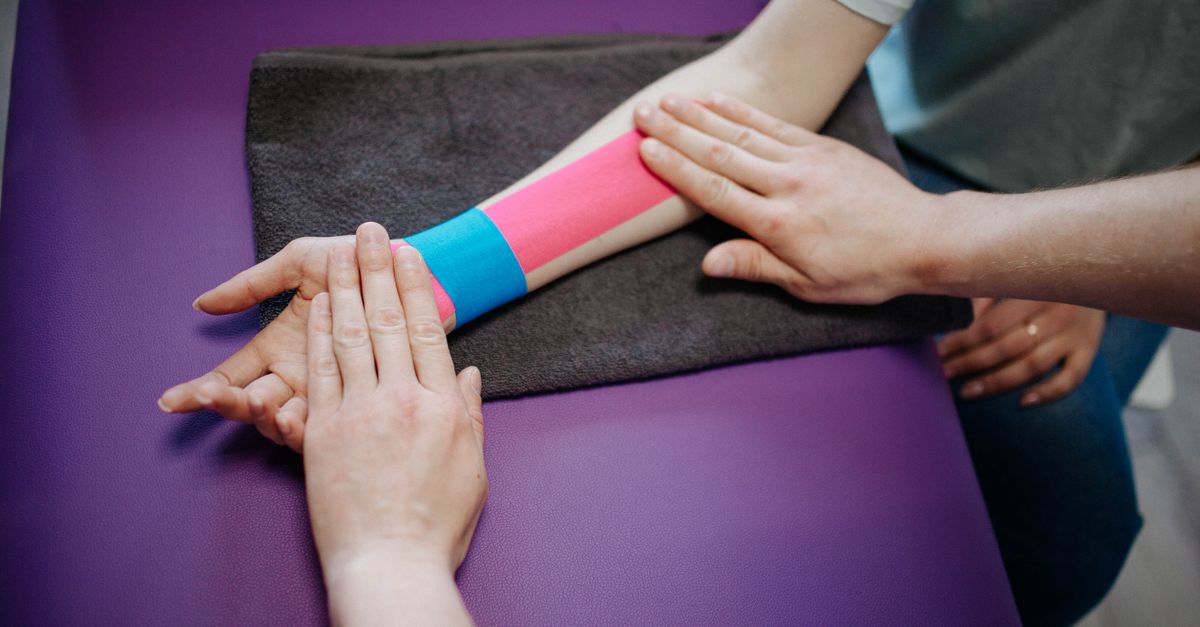
Carpal Tunnel Treatment: Non-Surgical Options That Work
Numbness, tingling, and weakness in the hand can make everyday tasks frustrating, and for many people the culprit is carpal tunnel syndrome. The good news is that surgery is not always the answer, especially when the condition is caught early. At OC Wellness Physicians Medical Group, we help patients across our four Orange County locations relieve carpal tunnel symptoms with conservative, non-surgical care. This guide explains what causes carpal tunnel syndrome, the symptoms to watch for, and the range of non-surgical treatments that can reduce pressure on the median nerve and restore comfortable use of your hands.
What Is Carpal Tunnel Syndrome?
Carpal tunnel syndrome develops when the median nerve becomes compressed as it travels through a narrow passageway in the wrist known as the carpal tunnel. This passageway is bounded by the small carpal bones on three sides and a tough band of connective tissue called the transverse carpal ligament on the fourth. When anything reduces the available space inside that tunnel, whether it is swelling, inflammation, or a change in tissue structure, the median nerve experiences pressure that disrupts its ability to carry normal signals to and from the hand.
The hallmark result of that compression is numbness, tingling, and eventually weakness concentrated in the thumb, index finger, and middle finger. These three digits receive sensation and motor signals from the median nerve, which is why the ring finger and pinky are typically spared in true carpal tunnel syndrome. The intensity of these sensations can range from mild and intermittent in the early stages to persistent and debilitating when the condition is left unaddressed for an extended period.
Repetitive hand and wrist motions are among the most common contributors to median nerve compression. Prolonged gripping, sustained awkward wrist positions, and tasks that require forceful or repetitive flexion place ongoing mechanical strain on the structures inside the tunnel. Over time this can cause the surrounding tissues to thicken or the tendons to become inflamed, progressively narrowing the space available to the nerve.
Several systemic health factors can also increase a person’s susceptibility. Pregnancy-related fluid retention, thyroid dysfunction, diabetes, and rheumatoid arthritis have all been associated with a higher likelihood of developing symptomatic carpal tunnel syndrome. In these situations, the condition may arise even without significant repetitive strain, because the underlying health issue creates changes in the tissues surrounding the nerve.
Understanding what is happening anatomically is important because it informs treatment. The goal of conservative pain management for carpal tunnel syndrome is to reduce the pressure on the median nerve, allow inflammation to resolve, and restore the nerve’s capacity to function without resorting to surgery. Because early carpal tunnel often responds well to these measures, recognizing the condition at the first signs of symptoms meaningfully improves the likelihood of a successful non-surgical outcome.
Symptoms and When to Seek Care
The symptoms of carpal tunnel syndrome follow a recognizable pattern that often allows clinicians to identify the condition before formal testing is even complete. Tingling and numbness in the fingers are typically the earliest complaints, and patients frequently describe these sensations as being worse at night or during activities that require sustained wrist positioning, such as holding a phone, gripping a steering wheel, or reading. The nocturnal worsening occurs because many people naturally flex or extend their wrists while sleeping, positions that increase pressure within the carpal tunnel.
As the condition progresses, grip strength often diminishes. A weakened grip can make it harder to open jars, hold tools, or perform tasks that once felt effortless. Some people notice a tendency to drop objects unexpectedly, which reflects the nerve’s declining ability to coordinate the small muscles of the hand. This kind of functional limitation is a sign that the nerve compression is no longer just causing sensory symptoms but is beginning to affect motor function as well.
One of the more telling early clues is that shaking or flicking the hand provides temporary relief. This movement, sometimes called the “flick sign,” changes the fluid distribution in the wrist and momentarily reduces pressure on the nerve, offering brief improvement. When patients report this pattern, it is a reliable indicator that carpal tunnel syndrome is likely rather than another peripheral nerve condition.
More advanced or severe cases present differently. Persistent numbness that does not fluctuate throughout the day, constant pain in the wrist and forearm, and visible muscle wasting at the base of the thumb, a region called the thenar eminence, are all signs that the nerve has been under prolonged stress. At this stage the nerve fibers themselves may be undergoing structural changes, and recovery becomes slower and less predictable regardless of the treatment approach chosen.
Seeking clinical evaluation early, before symptoms become constant or before muscle changes develop, gives non-surgical treatment the best possible environment to succeed. The clinical team at OC Wellness Physicians Medical Group evaluates hand and wrist symptoms thoroughly to confirm the diagnosis and determine how far the condition has progressed, which directly guides the selection of the most appropriate treatment pathway.
Non-Surgical Treatment Options
Wrist splinting is one of the most well-supported and widely recommended first-line measures for carpal tunnel syndrome. Wearing a splint, particularly at night, holds the wrist in a neutral position, which is the posture that generates the least internal pressure on the median nerve. By preventing the involuntary wrist flexion and extension that commonly occurs during sleep, a properly fitted splint gives the irritated nerve a period of consistent rest. For many patients with mild to moderate symptoms, consistent nighttime splinting alone produces meaningful improvement within several weeks.
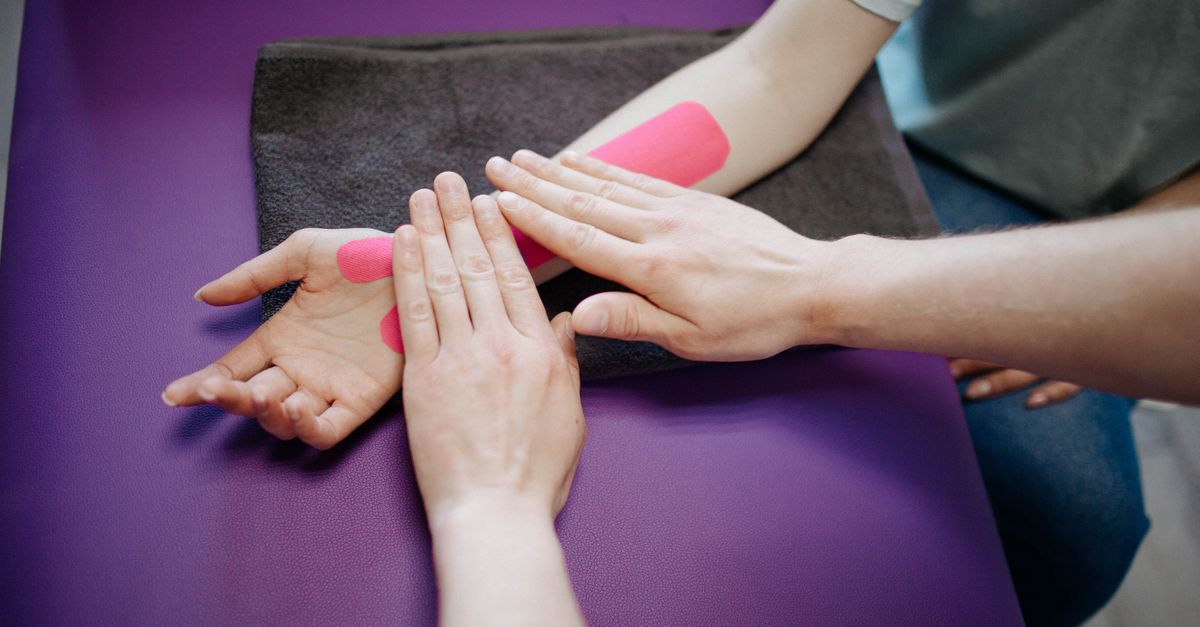
Activity modification and ergonomic adjustments address the environmental factors that are often driving or sustaining the condition. Identifying the specific tasks or positions that provoke symptoms, and restructuring the workday to reduce them, can significantly lower the cumulative strain placed on the carpal tunnel. This may involve repositioning a keyboard, adjusting chair height, using a padded wrist rest, switching to tools with larger grips, or simply incorporating more frequent short breaks into repetitive tasks.
Physical therapy takes a more active approach by using targeted nerve-gliding exercises and stretching techniques designed to improve the mobility of the median nerve within its canal. When the nerve is compressed it can lose some of its normal ability to slide through the tunnel as the wrist moves, which contributes to irritation and symptom persistence. Physical therapy protocols for carpal tunnel syndrome are intended to restore that gliding motion, reduce tension on the nerve, and build strength in the surrounding musculature to support better wrist mechanics during daily activity.
Chiropractic care can contribute to carpal tunnel treatment by addressing mechanical dysfunction not only in the wrist itself but also along the broader pathway the median nerve travels, including the forearm, elbow, shoulder, and cervical spine. In some patients, nerve tension or restricted joint mobility at points along this chain amplifies or mimics carpal tunnel symptoms. Identifying and treating these contributing areas can reduce the overall irritability of the nerve and improve the response to other conservative measures.
Complementary modalities such as acupuncture and laser therapy may support the recovery process by reducing local inflammation, improving circulation, and decreasing pain sensitivity in the affected tissues. Low-level laser therapy, in particular, has been studied as a means of promoting nerve tissue healing and reducing the inflammatory mediators that contribute to tunnel swelling. These approaches are typically most effective when integrated into a broader treatment plan rather than used in isolation, which is why a multi-specialty model of care offers advantages for patients managing carpal tunnel syndrome.
How OC Wellness Personalizes Carpal Tunnel Care
Every carpal tunnel evaluation at OC Wellness Physicians Medical Group begins with a careful clinical assessment. Our physician-directed process gathers a detailed history of how and when symptoms developed, what activities make them worse, and what factors in the patient’s daily life and medical background may be contributing. This information, combined with a physical examination that tests sensation, strength, and provocative signs specific to median nerve compression, allows the clinical team to confirm whether carpal tunnel syndrome is the primary diagnosis or whether another condition is partly or fully responsible for the symptoms.
No two patients present identically, and the contributing factors behind carpal tunnel syndrome vary considerably from one person to the next. For a patient whose symptoms are primarily driven by workstation ergonomics, an ergonomic consultation and activity modification plan may be central to the approach. For another patient whose carpal tunnel has developed alongside a thyroid disorder or diabetes, coordinating care to address the underlying health condition becomes an important part of managing the nerve compression. Our clinical team considers the full picture before recommending a treatment plan.
Rather than relying on a single intervention, the approach at OC Wellness Physicians Medical Group combines complementary therapies in a coordinated sequence. Research consistently shows that multi-modal treatment produces better outcomes for nerve-related pain than any single modality used alone. Combining splinting guidance with physical therapy exercises, chiropractic joint work, and supportive modalities like acupuncture or laser therapy allows each component to reinforce the others, addressing the condition from multiple angles simultaneously.
Progress is reviewed regularly throughout the treatment course, and the plan is adjusted based on how the patient is responding. If certain therapies are producing clear benefit, they may be continued or intensified. If a component is not yielding the expected results, it can be modified or replaced. This iterative, evidence-informed process reflects the commitment to care that is responsive to each individual rather than rigidly fixed from the outset. You can learn more about the values behind our approach on the About Us page.
If conservative treatment has been thorough and consistent but has not provided adequate relief, particularly in cases where symptoms are severe or nerve damage appears to be progressing, our clinical team will discuss the option of surgical referral candidly. The goal is always to achieve the best possible outcome for the patient, and that means having an honest conversation when escalation of care is in their interest. However, the large majority of patients evaluated at OC Wellness Physicians Medical Group find meaningful relief through the non-surgical pathways described here before that conversation ever becomes necessary.
Preventing Carpal Tunnel From Coming Back
Achieving relief from carpal tunnel symptoms is an important first step, but preventing those symptoms from returning requires continued attention to the habits and conditions that contributed to the nerve compression in the first place. Taking regular, brief breaks from repetitive hand-intensive tasks is one of the simplest and most effective protective behaviors. Even pauses of a few minutes at regular intervals throughout the workday allow the median nerve and the surrounding tissues to recover from the mechanical demands being placed on them, reducing the cumulative load that eventually leads to symptomatic compression.

An ergonomically sound workspace provides an ongoing structural defense against recurrence. Maintaining a neutral wrist position while typing and using a mouse, positioning the keyboard and monitor at appropriate heights, and using tools designed to minimize grip force are all measures that reduce the background stress on the carpal tunnel during the hours spent at a desk or workstation. For patients whose occupations involve manual labor or vibrating tools, ergonomic gloves and modified techniques can serve a similar protective function.
Targeted stretching and strengthening exercises, introduced during the treatment process, remain valuable as a maintenance routine after formal care ends. Stretches that encourage wrist extension and flexion within a comfortable range, combined with exercises that build strength in the forearm and the intrinsic muscles of the hand, help sustain the flexibility and support that protect the median nerve. These routines take only a few minutes each day and can be performed almost anywhere, making them practical for long-term adherence.
For patients in whom systemic health conditions such as diabetes or hypothyroidism contributed to the development of carpal tunnel syndrome, managing those conditions effectively is an important prevention strategy. Uncontrolled blood sugar can damage peripheral nerves over time, and thyroid-related fluid retention can re-create the swelling that narrows the carpal tunnel. Keeping these conditions well controlled, in coordination with a primary care provider, meaningfully lowers the risk of symptomatic recurrence.
Our clinical team works with each patient to identify their specific risk factors and develop a maintenance plan suited to their lifestyle and work demands. The intent is to ensure that the relief achieved through treatment is durable, and that patients leave with the knowledge and tools needed to protect their median nerve health over the long term. Carpal tunnel syndrome is a manageable condition, and with the right education and habits, many patients are able to remain symptom-free for years after completing their initial care.
Frequently Asked Questions About Carpal Tunnel Treatment
Can carpal tunnel be treated without surgery?
Yes. Many cases, especially those caught early, respond well to non-surgical care such as wrist splinting, ergonomic changes, physical therapy, chiropractic care, and modalities like acupuncture and laser therapy. Surgery is generally considered only when conservative treatment does not provide adequate relief after a thorough trial of these approaches.
What are the first signs of carpal tunnel syndrome?
Early signs include tingling or numbness in the thumb, index, and middle fingers, often worse at night, along with a weakened grip. Symptoms that temporarily improve when you shake your hand are a common early clue. Seeking care at this stage, before changes become constant or structural, improves the chances of avoiding surgery.
How long does non-surgical carpal tunnel treatment take to work?
Many people notice improvement within a few weeks of consistent conservative care, though timelines vary with the severity of nerve compression and how long symptoms have been present. Milder, recently developed cases tend to respond faster than long-standing or advanced ones, which is one reason early evaluation is worthwhile.
Does a night splint really help carpal tunnel?
Yes. Night splinting is one of the most effective conservative measures available because it keeps the wrist in a neutral position and prevents the bending that increases pressure on the median nerve during sleep. It is often combined with other treatments for better overall results, but many patients experience noticeable relief from splinting alone.
When is surgery necessary for carpal tunnel?
Surgery is typically considered when symptoms are severe, constant, or accompanied by muscle wasting at the base of the thumb, or when a well-conducted course of non-surgical treatment has not brought sufficient relief. OC Wellness Physicians Medical Group starts with conservative care and will discuss surgical referral only if it becomes clearly appropriate for a given patient’s situation.
How can OC Wellness help with my carpal tunnel?
Our multi-specialty clinical team evaluates the cause of your symptoms and coordinates non-surgical treatments such as splinting guidance, physical therapy, chiropractic care, acupuncture, and laser therapy across four Orange County locations. Contact us to ask about scheduling or to learn more about what to expect from your first visit.
If numbness, tingling, or hand weakness is interfering with your daily life, the physician-directed clinical team at OC Wellness Physicians Medical Group is ready to help. Call us at (714) 735-0313 to schedule a carpal tunnel evaluation at any of our Orange County locations. You can also reach the team through our contact page to find the Orange County location most convenient for you.