

Degenerative Disc Disease: Treatment Options and Relief
Despite its alarming name, degenerative disc disease is not truly a disease, and a diagnosis does not mean surgery is inevitable. It describes the natural wear of the spinal discs over time, which for some people leads to back or neck pain that can be managed effectively with conservative care. At OC Wellness Physicians Medical Group, we help patients across our four Orange County locations relieve disc-related pain and restore function without rushing to invasive procedures. This guide explains what degenerative disc disease is, the symptoms to watch for, and the non-surgical treatments that can bring meaningful, lasting relief.
What Is Degenerative Disc Disease?
Degenerative disc disease is a term used to describe age-related changes in the intervertebral discs, the soft, cushioning structures that sit between each pair of vertebrae in the spine. Rather than a true pathological disease with a specific cause or predictable progression, it is better understood as a description of normal biological wear that accumulates over a lifetime. Recognizing this distinction matters because it reframes the condition from something alarming into something that is, in most cases, manageable with appropriate care.
The primary physical change that occurs is a gradual loss of water content within the disc itself. Healthy discs are largely composed of water, which gives them the flexibility and height needed to absorb the forces the spine encounters during everyday movement. As this water content decreases over the years, the disc becomes thinner and less resilient, which can reduce its ability to distribute load effectively across the vertebrae it separates. In some individuals, this reduction in disc height also narrows the spaces through which spinal nerves travel, contributing to additional symptoms.
It is important to understand that disc degeneration on an imaging study does not automatically indicate a painful condition. A substantial portion of adults have visible disc changes on MRI or X-ray without experiencing any meaningful discomfort. When degeneration does produce pain, it most often affects the lower back or the cervical spine in the neck, and symptoms may radiate into adjacent areas depending on which structures are involved. The fact that the condition is common, and that it does not inevitably worsen or require surgery, gives patients a realistic basis for pursuing conservative treatment with confidence.
Symptoms and How It Is Diagnosed
The symptoms associated with degenerative disc disease vary considerably from person to person. Many individuals report a baseline of back or neck pain that fluctuates in intensity rather than remaining constant. Activities that load or compress the spine tend to aggravate the pain; prolonged sitting, forward bending, twisting, and heavy lifting are among the most commonly reported triggers. By contrast, changing positions, walking, or lying down in a supported position often provides some degree of relief, at least temporarily.
One characteristic pattern is a cycle of flare-ups followed by quieter periods. During a flare, pain may be significant enough to limit daily activities, yet it often subsides over days or weeks even without aggressive intervention. This fluctuating nature can make it challenging for patients to gauge how serious their condition is, which is one reason a structured clinical evaluation is so valuable. Understanding the typical course of the condition helps set appropriate expectations for treatment.
When a degenerated disc irritates or places pressure on a nearby nerve root, the symptom picture expands beyond local back or neck pain. Radiating pain, numbness, tingling, or a sensation of weakness can travel into the arms, hands, legs, or feet depending on the spinal level involved. These neurological symptoms require careful attention because they influence both the urgency and the type of treatment recommended.
Diagnosis begins with a thorough clinical history and a physical examination that assesses range of motion, areas of tenderness, neurological function, and how specific movements affect the patient’s symptoms. Imaging studies such as plain X-rays or MRI are ordered when they will provide information that changes or refines the treatment plan. The goal of this evaluation is not simply to confirm that disc changes are present on imaging but to determine whether those changes are genuinely responsible for the patient’s pain, ruling out other potential sources along the way. Our clinical team at OC Wellness Physicians Medical Group places significant emphasis on this diagnostic precision so that treatment is directed at the actual cause of each patient’s discomfort.
Non-Surgical Treatment Options
The foundation of degenerative disc disease treatment is a well-coordinated program of conservative care, and for the great majority of patients this approach produces meaningful improvement. Physical therapy occupies a central role in most treatment plans. Guided therapeutic exercise strengthens the core musculature, the deep stabilizing muscles of the abdomen and back, that provide dynamic support to the lumbar and cervical spine. When these muscles work efficiently, they reduce the mechanical load that falls on the degenerated disc and surrounding structures, which translates directly into less pain and better tolerance for daily activity.
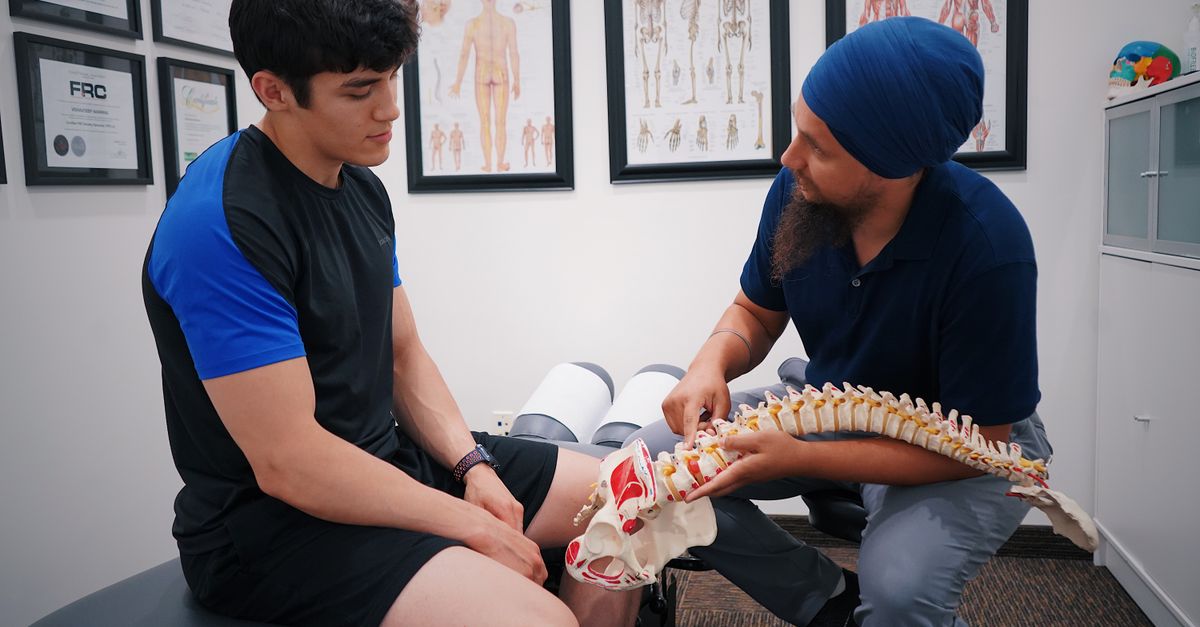
Chiropractic care and spinal decompression are additional tools that address disc-related pain from a different angle. Controlled spinal manipulation can restore mobility to stiff segments of the spine, reduce muscle guarding, and improve the biomechanical environment around the affected disc. Spinal decompression therapy uses gentle, motorized traction to create negative pressure within the disc space, which may encourage retraction of bulging disc material, reduce nerve irritation, and facilitate the movement of nutrients into the disc. Many patients find that combining chiropractic treatment with decompression produces more consistent relief than either approach alone.
Acupuncture is a well-established adjunct for spinal pain conditions, including those arising from disc degeneration. By stimulating specific points along the body, acupuncture modulates pain signaling pathways and can reduce the local and systemic inflammatory responses that contribute to disc-related discomfort. Similarly, laser therapy uses focused light energy to penetrate soft tissue, promoting cellular repair, reducing inflammation, and relieving pain at the treatment site. Both modalities integrate well into a broader care plan and are particularly useful for patients who want to limit their reliance on medication.
Activity modification, posture correction, and the development of a sustainable home exercise routine round out the non-surgical approach. Understanding which postures and movements consistently provoke symptoms allows patients to make targeted adjustments without abandoning the physical activity that supports spinal health. For a carefully selected group of patients whose disc-related symptoms have not responded adequately to other measures, regenerative medicine options may be considered to support the health and integrity of spinal tissue at the cellular level. Our clinical team at OC Wellness Physicians Medical Group evaluates each patient’s circumstances individually to determine whether regenerative approaches are appropriate and potentially beneficial.
Living Well With Degenerative Disc Disease
A common concern among people newly diagnosed with degenerative disc disease is that movement will worsen their condition. In most cases, the opposite is true. Prolonged rest allows the muscles supporting the spine to weaken and the joints to stiffen, which typically increases rather than decreases pain over time. Low-impact aerobic activity such as walking, swimming, or cycling maintains circulation to the spinal structures, preserves muscle tone, and releases endorphins that naturally dampen pain perception. Our clinical team consistently encourages patients to remain as active as their current symptoms allow and to gradually expand that activity as their condition improves.
Body weight is a factor that deserves attention in any long-term management plan. The lumbar spine in particular bears a substantial proportion of total body weight, and even modest excess weight amplifies the compressive forces on the lower discs throughout the day. Achieving and sustaining a healthy weight through a balanced diet and regular low-impact exercise can produce a noticeable reduction in day-to-day lumbar symptoms and may slow the rate at which degenerative changes progress.
Ergonomic awareness at work and at home is another practical lever for reducing symptom burden. Sitting positions that allow the lumbar curve to be supported, workstation heights that avoid sustained forward head posture, and the habit of changing positions regularly all reduce the cumulative mechanical stress on the cervical and lumbar discs. Patients who invest time in learning and applying these adjustments often report that their baseline pain level decreases substantially even before any specific clinical intervention takes full effect.
Learning the difference between movements that trigger a flare and those that are safe is a gradual process that benefits from guidance by a knowledgeable provider. Once patients understand their individual pattern, they can modify specific aggravating activities without withdrawing from movement in general. Many people with degenerative disc disease continue to pursue the physical and recreational activities they value for years, provided they have an informed plan for managing exacerbations when they occur. With the right combination of professional care, self-management strategies, and realistic expectations, a high quality of daily function is an achievable goal.
How OC Wellness Treats Degenerative Disc Disease
When a patient presents to OC Wellness Physicians Medical Group with suspected disc-related pain, the process begins with a thorough clinical evaluation designed to confirm that disc degeneration is the primary source of the problem and to identify any contributing factors. Our clinical team reviews the patient’s history in detail, performs a structured physical examination, and determines whether diagnostic imaging is warranted. This careful initial step ensures that the treatment plan that follows is built on an accurate understanding of what is actually driving each patient’s symptoms.

Because degenerative disc disease responds best to care that addresses multiple aspects of the problem simultaneously, OC Wellness Physicians Medical Group offers a coordinated multi-specialty approach under one clinical umbrella. Chiropractic care and spinal decompression address joint mechanics and disc pressure. Physical therapy rebuilds the muscular support system around the spine. Pain management services are available for patients who need additional support controlling symptoms during the rehabilitation process. All three disciplines collaborate on a shared plan rather than operating in parallel without coordination, which improves consistency and outcome.
Beyond these core services, acupuncture and laser therapy are available to address the inflammatory component of disc-related pain and to support tissue healing. For patients whose symptoms suggest that the disc itself or surrounding structures have sustained more significant damage, regenerative medicine options may be incorporated as an adjunct to the primary treatment plan. Every element of care is selected based on the individual patient’s presentation, and the plan is reassessed and adjusted as treatment progresses so that results remain durable over time.
OC Wellness Physicians Medical Group serves patients at four Orange County locations, including Westminster, Irvine, Orange, and Mission Viejo, making it accessible for residents across the region to receive consistent, coordinated care close to home. For qualifying personal injury patients, treatment may be available with no upfront out-of-pocket cost through lien-based billing arrangements, allowing patients to focus on recovery rather than financial concerns. Our clinical team takes the time to explain the plan, set honest expectations, and adjust the approach based on how each patient responds.
Frequently Asked Questions About Degenerative Disc Disease Treatment
Is degenerative disc disease a serious condition?
Despite the name, it is not truly a disease but a description of normal, age-related disc wear. Many people have disc degeneration without significant symptoms. When it does cause pain, it is usually manageable with conservative care, and surgery is needed only in a minority of cases.
What is the best treatment for degenerative disc disease?
There is no single best treatment; the most effective approach usually combines physical therapy, chiropractic care or spinal decompression, and modalities like acupuncture or laser therapy to reduce pain and support the spine. A thorough evaluation helps tailor the right combination to your symptoms and goals.
Can degenerative disc disease be treated without surgery?
Yes. Most people with degenerative disc disease improve with non-surgical care such as physical therapy, chiropractic treatment, spinal decompression, and pain-relieving modalities. Surgery is generally reserved for cases that do not respond to conservative care or involve significant nerve compression.
Does degenerative disc disease get worse over time?
Disc changes are part of aging and can progress, but worsening pain is not inevitable. Many people keep symptoms well controlled for years through exercise, healthy habits, and appropriate treatment. Staying active and following a personalized plan helps limit flare-ups and maintain function.
What activities should I avoid with degenerative disc disease?
It helps to limit heavy lifting, repetitive twisting, and prolonged sitting or bending that trigger your pain, while staying active with low-impact exercise. Rather than avoiding movement altogether, a provider can help you identify specific aggravating activities and safer alternatives that keep you moving comfortably.
How can OC Wellness Physicians Medical Group help with degenerative disc disease?
Our multi-specialty clinical team evaluates the source of your pain and coordinates chiropractic care, spinal decompression, physical therapy, acupuncture, laser therapy, and regenerative options across four Orange County locations. Reach out to us to schedule an evaluation and build a personalized plan tailored to your needs.
If disc-related pain is affecting your daily life, OC Wellness Physicians Medical Group is ready to help you find a path forward. Call us at (714) 735-0313 to schedule a comprehensive evaluation at any of our four Orange County locations. Our clinical team will work with you to build a personalized, non-surgical degenerative disc disease treatment plan designed for lasting relief.