

Non-Surgical Hip Pain Treatment in Orange County
Hip pain can affect walking, sleeping, and simply getting up from a chair, and it has many possible sources, from arthritis and bursitis to tendon irritation and referred pain from the back. Most hip pain responds well to conservative care that targets the underlying cause. At OC Wellness Physicians Medical Group, we help patients across our four Orange County locations understand why the hip hurts and which non-surgical hip pain treatment options may help them stay mobile and comfortable.
Common Causes of Hip Pain
Hip pain is not a single condition, and understanding its source is the first step toward effective relief. One of the most frequent causes of chronic hip pain is osteoarthritis, a gradual process in which the cartilage cushioning the hip joint wears down over time. As that cartilage diminishes, bone surfaces come closer together, producing stiffness, aching, and a reduced range of motion that tends to worsen with prolonged activity or after periods of rest.
Beyond the joint itself, the soft tissues surrounding the hip are a common origin of pain. Bursitis, an irritation of the fluid-filled sac on the outer aspect of the hip, produces pain that is often aggravated by lying on that side, climbing stairs, or sitting for extended periods. Tendon irritation around the hip and pelvis is another frequent contributor, particularly in patients who are physically active or who have recently increased their activity level. This type of pain typically appears during or after movement and may ease with rest, only to return when activity resumes.
What many patients do not realize is that pain felt in the hip does not always originate there. The lower back and pelvis are closely connected to the hip through shared nerves and muscles, and problems in those areas frequently produce sensations that seem to come from the hip joint itself. Lumbar disc problems, sacroiliac joint dysfunction, and nerve irritation in the spine can all refer pain into the outer hip, groin, or buttock region in ways that closely mimic hip joint pathology.
Because the causes vary so considerably and because each calls for a different treatment approach, identifying the true source of pain is essential before any care plan is designed. A thorough clinical evaluation is what separates targeted, effective treatment from a generic approach that may address the wrong structure entirely.
How Hip Pain Is Evaluated
A careful evaluation is the foundation of effective hip pain treatment. The process begins with a detailed history that covers where the pain is felt, what activities or positions make it better or worse, how long it has been present, and how it affects daily tasks such as walking, dressing, and sleeping. This information helps the clinical team narrow down which structures are most likely involved before any physical testing begins.
The physical examination then assesses range of motion in the hip joint, strength in the surrounding muscles, and the specific movements or positions that reproduce the patient’s pain. Certain tests are designed to load the hip joint itself, while others stress the bursa, tendons, or the sacroiliac joint. The pattern of findings across these tests helps distinguish between intra-articular problems, such as arthritis, and extra-articular problems, such as bursitis or tendon irritation.
Because pain referred from the lower back and pelvis can so closely resemble hip joint pain, the spine is always evaluated as part of the examination. Assessing lumbar mobility, nerve tension signs, and the sacroiliac joints helps determine whether the primary source of a patient’s symptoms is the hip itself or a structure further up the kinetic chain. This distinction is clinically significant, since treatment directed at the wrong area is unlikely to provide meaningful or lasting relief.
When arthritis or a structural problem is suspected, imaging studies may be ordered to confirm the diagnosis and assess severity. Plain radiographs provide information about joint space and bone alignment, while additional imaging can offer detail about soft-tissue structures when needed. A clear, evidence-based diagnosis is what allows the clinical team to build a treatment plan that addresses the actual source of the pain rather than its symptoms alone.
Non-Surgical Hip Pain Treatment Options
The majority of hip pain conditions respond well to conservative, non-surgical care when treatment is properly matched to the diagnosis. Physical therapy is often central to that care. A structured rehabilitation program strengthens the muscles that support the hip and pelvis, restores flexibility, and addresses movement patterns that may be placing excess load on the painful structure. For patients with arthritis, strengthening the surrounding musculature helps offload the joint and can reduce pain significantly over time.
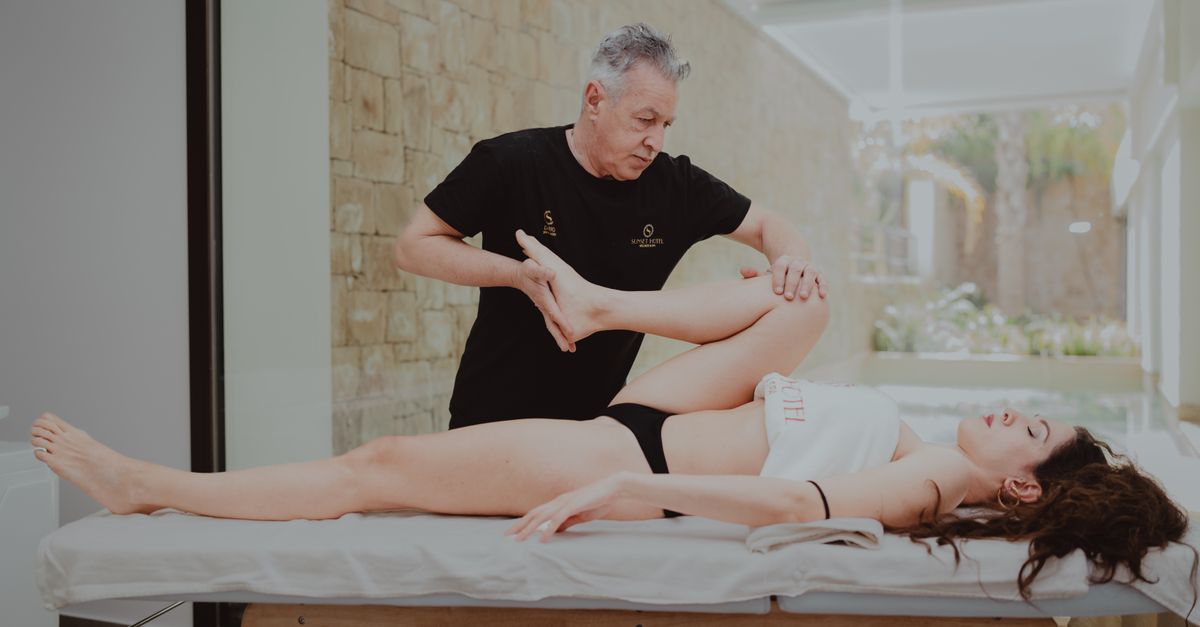
Chiropractic care addresses alignment and mechanics in the pelvis and lower back, areas that have a direct influence on how the hip functions during walking and other daily activities. When the sacroiliac joint or lumbar spine is contributing to hip symptoms, manual therapy directed at those regions can reduce referred pain and improve overall movement quality. Chiropractic care is frequently coordinated with physical therapy as part of a broader rehabilitation plan.
Laser therapy and acupuncture are additional tools that may help manage pain and reduce local inflammation during the recovery process. Laser therapy delivers targeted light energy to affected tissue and is used to support the body’s natural healing response. Acupuncture, which has a well-established role in musculoskeletal pain management, can help modulate pain signals and complement the effects of other physical treatments.
Lifestyle factors also play a meaningful role in long-term hip health. For patients where body weight is a contributing factor, guided weight management reduces mechanical load on the hip joint. Activity modification, meaning adjusting the type, intensity, or volume of movement during recovery, helps protect the affected structure while rehabilitation progresses. Gradual, structured reintroduction of activity is preferable to either complete rest or unrestricted movement during most stages of hip pain treatment.
For carefully selected patients, regenerative medicine options such as platelet-rich plasma (PRP) may support healing of joint and tendon tissue as part of a comprehensive treatment plan. These options are considered when conservative measures have not produced sufficient improvement or when the nature of the injury suggests that additional biological support for healing could be beneficial.
When Regenerative Medicine May Help Your Hip
Regenerative therapies represent a category of treatment that works with the body’s own biology rather than masking symptoms. Platelet-rich plasma, or PRP, is prepared by concentrating the growth factors found in a patient’s own blood and delivering them directly to the affected tissue. Those growth factors play a recognized role in tissue repair, and delivering a concentrated supply to a damaged joint or tendon is intended to support and accelerate the natural healing process.
Patients who may benefit from PRP for hip conditions include those with mild to moderate osteoarthritis who have not found sufficient relief through physical therapy and other conservative measures, as well as those with slow-healing tendon problems around the hip and pelvis. For individuals who want to avoid surgery or who are not yet surgical candidates, regenerative options can represent a meaningful step in a broader treatment strategy.
It is important to understand that regenerative therapies are most effective when integrated into a comprehensive plan that includes strengthening and rehabilitation. PRP is not a standalone cure for arthritis or tendon degeneration. It is most appropriately used to support healing while other components of the treatment plan address movement quality, muscle function, and the mechanical factors that contributed to the problem in the first place.
Candidacy for regenerative treatment depends on the specific condition, its severity, the patient’s overall health, and what prior treatments have been tried. Not every patient with hip pain is a suitable candidate, and an evaluation is necessary before these options are pursued. At OC Wellness Physicians Medical Group, that conversation is grounded in a realistic assessment of current clinical evidence and an honest discussion of what a patient can reasonably expect from each available option.
How OC Wellness Treats Hip Pain
At OC Wellness Physicians Medical Group, hip pain treatment begins with a thorough evaluation designed to pinpoint the source of a patient’s symptoms. Because hip pain can originate from the joint itself, from the surrounding soft tissues, or from the lower back and pelvis, the initial assessment is structured to distinguish between these possibilities before any treatment decisions are made. A precise diagnosis is what makes a personalized plan possible.
Our multi-specialty clinical team coordinates the full range of appropriate conservative interventions, including physical therapy, chiropractic care, laser therapy, acupuncture, and regenerative medicine, under a single coordinated care plan. Rather than referring patients to disconnected providers, OC Wellness Physicians Medical Group integrates these disciplines so that each component of treatment supports the others. Progress is monitored at regular intervals, and the plan is adjusted as the patient’s condition evolves.
Treatment at OC Wellness Physicians Medical Group is built around the individual patient’s diagnosis, activity level, and personal goals. A patient who wants to return to hiking has different functional targets than a patient whose primary goal is pain-free sleep or the ability to walk comfortably through a grocery store. The clinical team accounts for those differences when designing and refining a plan.
Care is available across four Orange County locations, in Westminster, Irvine, Orange, and Mission Viejo, so patients can receive consistent, coordinated treatment at the location most convenient for them. Follow-up appointments are structured to track progress, address any changes in symptoms, and ensure that the treatment plan continues to serve the patient’s goals as recovery advances.
If hip pain is limiting your movement or your daily activities, a structured evaluation is the most practical first step toward understanding why and what can be done about it. OC Wellness Physicians Medical Group provides that evaluation and the full range of physician-directed non-surgical care that may follow from it.
Frequently Asked Questions About Hip Pain Treatment
Can hip pain be treated without surgery?
Yes. Most hip pain, including arthritis, bursitis, and tendon irritation, improves with conservative care such as physical therapy, chiropractic care, laser therapy, acupuncture, and in appropriate cases regenerative options like PRP. Surgery is reserved for problems that do not respond to non-surgical treatment.
Why does my hip hurt?
Hip pain can come from arthritis, bursitis, tendon irritation, or referred pain from the lower back, among other causes. Because the source varies and treatment differs accordingly, a clinical evaluation at OC Wellness Physicians Medical Group is the best way to identify why your hip hurts and what approach is most likely to help.
Can hip pain come from the back?
Yes. Pain felt in the hip sometimes originates in the lower back or pelvis, which is why a thorough evaluation always considers the spine. Identifying whether the source is the hip joint itself or a structure in the back is essential to choosing treatment that will actually be effective.
How long does non-surgical hip treatment take to work?
Timelines vary with the cause and severity, but many patients notice meaningful improvement over several weeks of consistent care. Arthritis, as a chronic condition, is managed over a longer term with the goal of maintaining function and minimizing pain. Your provider will outline realistic expectations specific to your situation during the evaluation process.
Does PRP help hip arthritis?
PRP may help certain patients with mild to moderate hip arthritis or slow-healing tendon problems by supporting healing with concentrated growth factors. Results vary between individuals and PRP is not appropriate for everyone, so a clinical evaluation is necessary to determine whether you are a suitable candidate for this approach.
How can OC Wellness help with hip pain?
The multi-specialty clinical team at OC Wellness Physicians Medical Group evaluates the source of your hip pain and coordinates physical therapy, chiropractic care, laser therapy, acupuncture, and regenerative medicine across four Orange County locations. Contact us to schedule an evaluation and take the first step toward effective, non-surgical hip pain treatment.
To schedule an evaluation for hip pain at any of our four Orange County locations, call OC Wellness Physicians Medical Group at (714) 735-0313, or reach out through our contact page. You can also learn more about our physical therapy, chiropractic care, and pain management options online. Our clinical team is ready to help you identify the source of your pain and build a treatment plan designed around your needs.