
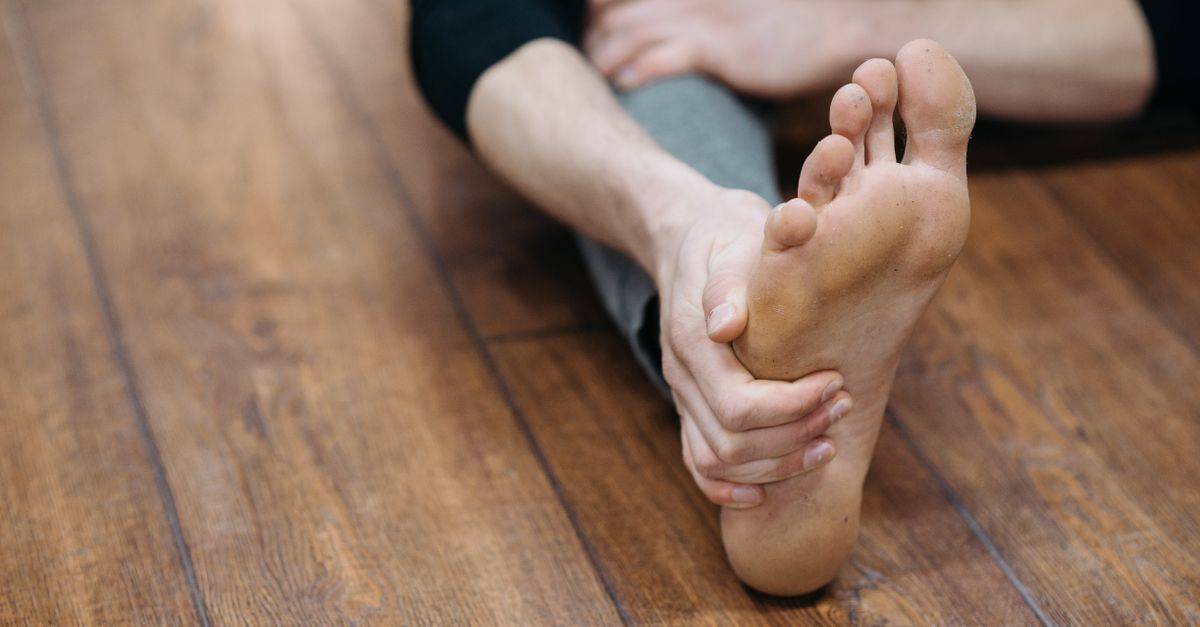
How to Fix Plantar Fasciitis: Evidence-Based Steps for Lasting Relief
That stabbing heel pain with your first steps in the morning is the hallmark of plantar fasciitis, and knowing how to fix it starts with understanding why it happens. Plantar fasciitis is inflammation of the thick band of tissue that runs along the bottom of your foot, connecting the heel bone to the toes. Without a clear plan that addresses both the pain and the mechanics driving it, many people struggle with this condition for months longer than necessary. OC Wellness Physicians Medical Group offers physician-directed care for stubborn heel pain across four Orange County locations in Westminster, Irvine, Orange, and Mission Viejo, combining multiple specialties so that every aspect of your recovery is coordinated in one place.
Why Plantar Fasciitis Develops and Why Heel Pain Persists
Plantar fasciitis occurs when repetitive strain causes small tears and localized inflammation along the plantar fascia, the thick fibrous band that spans the sole of the foot from heel to toe. Each time you stand, walk, or run, this structure absorbs a significant portion of your body weight. When the cumulative load exceeds the tissue’s capacity to recover, micro-damage accumulates faster than the body can repair it, and inflammation sets in.
Several structural and lifestyle factors can amplify that load. Tight calf muscles place extra tension on the heel attachment, because a limited ankle range of motion forces the fascia to compensate with every step. Flat feet or unusually high arches both alter the way force travels through the foot, concentrating stress in areas that are not equipped to handle it. Worn or unsupportive footwear compounds the problem by removing the cushioning and arch support that the foot depends on across hundreds of thousands of daily steps.
Behavioral factors also play a meaningful role. A sudden spike in physical activity, such as starting a new running program or logging long hours on your feet for a new job, gives the tissue little time to adapt. Prolonged standing on hard surfaces like concrete keeps the fascia under continuous tension without the natural recovery that comes with varied movement. Excess body weight increases the baseline load on the heel with every step taken throughout the day.
The most recognizable symptom is sharp, localized heel pain during the first few steps after waking, which often eases somewhat as the tissue warms and loosens over the course of the morning. Many people notice the pain returning after long periods of sitting, such as after a car ride or an afternoon at a desk. Left unaddressed, this pattern can become entrenched. Chronic plantar fasciitis alters the way a person walks, and those compensatory gait changes frequently generate secondary discomfort in the knees, hips, or lower back.
At-Home Steps That Relieve Plantar Fasciitis Pain
Consistent stretching is one of the most well-supported self-care strategies for reducing tension on the inflamed heel. Calf stretches performed against a wall, held for thirty seconds and repeated several times each day, gradually lengthen the gastrocnemius and soleus muscles and reduce the pulling force transmitted to the plantar fascia. Seated towel stretches that flex the foot and arch complement calf work by directly addressing the fascia itself. The key word is consistency: sporadic stretching produces limited benefit, while a daily routine begun early in the course of symptoms can meaningfully shorten recovery time.
Rolling the arch over a frozen water bottle before getting out of bed in the morning combines two therapeutic effects at once. The rolling motion provides gentle soft-tissue mobilization along the sole, while the cold temperature helps moderate the local inflammation responsible for that characteristic first-step pain. A standard frozen water bottle works well, and the session need only last two to three minutes to be useful.
Footwear choices have a direct impact on how quickly the tissue can recover. Shoes with a cushioned heel and built-in arch support reduce the repetitive strain placed on the fascia during normal daily activity. Walking barefoot on hard floors, which many people do at home without thinking about it, removes all support and allows the fascia to stretch under full body weight before it has had a chance to warm up. Over-the-counter orthotic inserts can provide meaningful additional support for many people, particularly those with flat feet or high arches.
Temporarily scaling back high-impact activities, specifically running, jumping, and prolonged walking on hard surfaces, gives the inflamed tissue the reduced-load environment it needs to begin healing. This is not the same as complete rest, which can allow surrounding muscles to weaken and delay recovery. Low-impact movement such as swimming or cycling maintains fitness while protecting the heel.
Night splints are another practical tool worth considering. They hold the foot in a gently dorsiflexed position throughout the night, keeping the plantar fascia in a mild stretch so it does not shorten and tighten during sleep. The result is a less painful transition from rest to weight-bearing in the morning, which is often the most discouraging part of this condition for people managing it day to day.
When Home Care Is Not Enough: In-Clinic Treatments
Self-care measures work well for a significant proportion of plantar fasciitis cases, but they have limits. If heel pain has persisted beyond several weeks of consistent home treatment, disrupts daily activity, or keeps returning after brief periods of improvement, a physician-directed evaluation becomes the logical next step. A thorough clinical assessment can identify the specific mechanical, structural, and behavioral factors driving the problem in your particular case, rather than applying a generic protocol that may miss the root cause.
Structured physical therapy is one of the most effective in-clinic interventions available for plantar fasciitis. A physical therapist can evaluate the tightness of the calf complex, the strength of intrinsic foot muscles, and the way you load your foot during gait, then design a progressive program that addresses each deficiency. Strengthening the muscles that support the arch reduces the burden placed on the plantar fascia itself, and correcting gait mechanics helps prevent the condition from recurring once pain has resolved.
Manual therapy and targeted soft-tissue work complement exercise-based rehabilitation by directly addressing restrictions within the fascia and the surrounding musculature. Hands-on mobilization of the ankle joint, myofascial release techniques applied to the calf and sole, and cross-friction massage at the heel attachment point can each reduce tissue tension and improve mobility in ways that stretching alone may not fully achieve. These techniques are particularly useful when tightness has developed across multiple structures over a prolonged course of symptoms.
Custom orthotics, prescribed after a proper biomechanical assessment, offer a level of precision that off-the-shelf inserts cannot match. A device designed to the specific contours and mechanics of your foot distributes weight more evenly across the sole, unloads the medial arch, and reduces the repetitive strain at the heel attachment with every step. The difference in outcome between a well-fitted custom orthotic and a generic drugstore insert can be substantial for patients whose plantar fasciitis is driven by structural foot mechanics.
Before settling on any treatment plan, the clinical team at OC Wellness Physicians Medical Group rules out other potential causes of heel pain that can mimic plantar fasciitis. Stress fractures of the calcaneus, tarsal tunnel syndrome, and nerve entrapment conditions all present with heel or arch pain and require different management entirely. Accurate diagnosis is the foundation on which every other treatment decision rests, and it is a step that home care alone cannot provide. Our pain management specialists are available to support patients whose symptoms are more complex or have not responded to conservative measures.
How Laser Therapy and Regenerative Options Help
Laser therapy has become an important tool in the management of persistent plantar fasciitis. The treatment uses focused light energy to penetrate the tissue and stimulate cellular activity at the site of inflammation and micro-tearing. At a biological level, this accelerates the production of ATP within cells, promotes local circulation, and modulates the inflammatory response, supporting tissue repair without the need for medication or any recovery period after the session. Patients typically tolerate the treatment well and can resume normal activity immediately afterward.
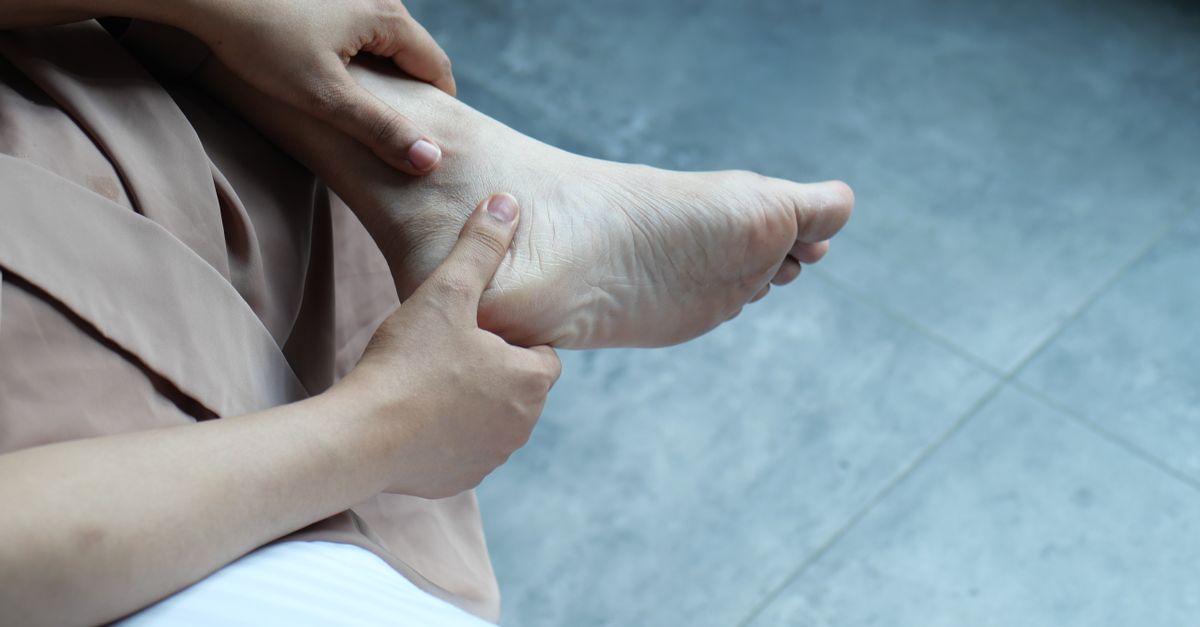
For cases that have not responded to physical therapy, orthotics, or laser therapy alone, regenerative medicine approaches may be considered as a means of encouraging more substantial healing within the damaged fascia. These options work by introducing biological signals that prompt the body’s own repair mechanisms to address areas of chronic tissue breakdown. Because persistent plantar fasciitis sometimes involves a degree of structural change within the fascia rather than simple acute inflammation, regenerative strategies can be relevant in cases where the tissue has not recovered through conventional means.
Neither laser therapy nor regenerative options are intended to work in isolation. The most durable outcomes occur when pain-relieving and tissue-repair treatments are paired with rehabilitation that corrects the underlying mechanics. Reducing inflammation in the heel is valuable, but if the calf remains tight, the foot pronates excessively, or daily footwear continues to overload the fascia, the gains from advanced treatments will be incomplete. The clinical team at OC Wellness Physicians Medical Group structures treatment plans so that each component reinforces the others.
A physician-directed approach also means that the intensity and sequence of treatment are calibrated to how long the plantar fasciitis has been present and how severely it affects function. A patient who is four weeks into symptoms with mild morning pain requires a different plan than one who has managed chronic heel pain for eighteen months with significant gait compensation. Matching treatment to the individual’s clinical picture, rather than applying a one-size protocol, is central to the way care is delivered across all four of the group’s Orange County locations.
Because OC Wellness Physicians Medical Group operates as a multi-specialty group, laser therapy, rehabilitation, chiropractic care, and physician oversight are coordinated under one roof. Patients benefit from a cohesive clinical conversation between providers rather than fragmented referrals, which typically means faster progress and fewer gaps in the treatment timeline. Scheduling and communication across specialties are handled internally, which reduces the administrative burden on patients managing an active injury.
Physician-Directed Plantar Fasciitis Care at OC Wellness
OC Wellness Physicians Medical Group treats plantar fasciitis with a coordinated model that brings together chiropractic care, physical therapy, laser therapy, and pain management within a single practice framework. Rather than addressing the heel in isolation, our clinical team evaluates the foot as part of the broader musculoskeletal system, because tight calves, limited hip mobility, and altered gait all influence how the plantar fascia is loaded. This whole-structure perspective often reveals contributing factors that a single-specialty approach would overlook.
The focus throughout treatment is on two parallel goals: relieving the current pain and correcting the mechanics that caused it. Symptom relief matters because pain disrupts sleep, limits activity, and reduces quality of life. But symptom relief that is not accompanied by mechanical correction tends to produce cyclical recurrence, with the plantar fascia re-inflaming whenever activity increases or footwear changes. Our clinical team works toward outcomes that are durable rather than temporary, which means addressing both dimensions from the beginning of care.
Access to care is made practical by the group’s four Orange County locations. Westminster, Irvine, Orange, and Mission Viejo each offer the full range of services described above, so patients can receive consistent follow-up at whichever location is most convenient for them. Continuity matters in managing a condition like plantar fasciitis, where progress depends on a progressive treatment plan that builds on itself over several weeks rather than isolated appointments.
Every treatment plan developed by OC Wellness Physicians Medical Group is physician-directed and tailored to the individual patient’s foot mechanics, activity level, occupational demands, and personal recovery goals. There is no universal protocol for plantar fasciitis, because the condition presents differently depending on the contributing factors, the duration of symptoms, and what the patient needs to return to. A clinical plan that reflects those individual details is more likely to achieve lasting relief than a standardized approach applied without assessment.
How Long Does Plantar Fasciitis Take to Heal?
With consistent care, many cases of plantar fasciitis improve over several weeks to a few months. Cases that are caught early and managed with diligent stretching, footwear modification, and activity adjustment often resolve within six to eight weeks. Chronic cases, or those in which the underlying mechanics were never corrected, can take considerably longer. A physician-directed plan that targets the structural causes of the condition rather than only the symptoms helps shorten recovery time and substantially reduces the likelihood that the problem will return after pain subsides.
What Is the Fastest Way to Fix Plantar Fasciitis?
There is no instant cure for plantar fasciitis, but the fastest reliable progress comes from combining several approaches simultaneously rather than trying one at a time. Daily calf and arch stretching begun as early as possible in the course of symptoms, paired with supportive footwear and a reduction in high-impact activity, creates the conditions the tissue needs to heal. When those home steps are insufficient, professional care such as physical therapy or laser therapy can accelerate the process meaningfully by addressing the tissue directly and correcting the mechanics that perpetuate the inflammation.
Should I See a Doctor for Plantar Fasciitis?
A clinical evaluation is appropriate whenever heel pain has persisted beyond a few weeks without clear improvement, disrupts normal daily activity, or has returned after a previous period of resolution. These patterns suggest that the underlying causes are not being fully addressed by self-care alone. A physician-directed evaluation at OC Wellness Physicians Medical Group serves two purposes: it rules out other structural causes of heel pain such as stress fractures and nerve entrapment, and it identifies the specific mechanical factors keeping the plantar fascia inflamed so that treatment can be targeted rather than generic.
Does Laser Therapy Work for Plantar Fasciitis?
Laser therapy is used clinically to reduce inflammation and support tissue healing within the plantar fascia, and it does so without requiring medication or producing downtime after the session. Research on low-level laser therapy for musculoskeletal conditions supports its role in modulating inflammation and promoting cellular repair at the treatment site. That said, laser therapy is most effective as one component of a broader plan that also addresses the tight calf muscles, footwear deficiencies, and gait patterns that originally caused the fascia to break down. Pain relief without mechanical correction tends to be temporary.
Can Plantar Fasciitis Come Back After Treatment?
Recurrence is a genuine risk, particularly when treatment focuses only on reducing pain without addressing the structural factors that contributed to the initial injury. Tight calf musculature, unsupportive footwear, flat or high-arched foot mechanics, and prolonged standing on hard surfaces will continue to stress the plantar fascia after pain resolves if they are not corrected during the recovery period. The clinical approach at OC Wellness Physicians Medical Group is specifically designed to address those contributing factors alongside current symptoms, so that the relief achieved through treatment is durable rather than a temporary interruption of a recurring cycle.
Where Can I Get Plantar Fasciitis Treatment in Orange County?
Physician-directed plantar fasciitis care is available at all four OC Wellness Physicians Medical Group locations across Orange County. The Westminster, Irvine, Orange, and Mission Viejo offices each provide access to the full coordinated treatment model described throughout this page, including physical therapy, laser therapy, chiropractic care, custom orthotics, and pain management oversight. Patients can contact the practice directly to ask questions or provide information about their situation before scheduling.
If heel pain is interfering with your daily routine and home care has not produced lasting relief, the clinical team at OC Wellness Physicians Medical Group is ready to help. Call (714) 735-0313 to schedule a plantar fasciitis evaluation at the location most convenient to you. Our physician-directed options include chiropractic care, physical therapy, and pain management, tailored to the root cause of your heel pain so relief lasts.