

IV Drip Therapy Benefits, Types, and Costs in Orange County
IV drip therapy benefits extend well beyond simple hydration, making physician-directed infusion one of the fastest-growing wellness services at OC Wellness Physicians Medical Group across our four Orange County locations. Whether you are managing fatigue, recovering from illness, or supporting an active lifestyle, our clinical team designs each infusion protocol around your lab values and clinical goals. This guide covers how IV therapy works, which formulas are most commonly used, who tends to benefit, what the service costs in Orange County, and what to expect during your first appointment.
What Is IV Drip Therapy and How Does It Work?
Intravenous infusion is a method of delivering fluids, electrolytes, vitamins, and medications directly into the bloodstream through a small catheter placed in a peripheral vein. Because the solution enters circulation immediately, it bypasses the digestive tract entirely. This distinction matters clinically because the gastrointestinal system introduces absorption variability that IV delivery avoids. Oral supplementation typically achieves roughly 20 to 50 percent bioavailability depending on the specific nutrient, the individual’s gut health, and whether the supplement is taken with food. Intravenous delivery approaches 100 percent absorption, which makes dosing far more predictable and allows the clinical team to match the infused amount to a patient’s documented needs.
Sessions at our IV therapy program typically last between 30 and 90 minutes depending on the formula selected and the individual’s vascular access. Patients remain seated in a monitored clinical setting for the full duration. The infusion rate is set by the clinical team and adjusted if any discomfort arises. The experience is generally described as calm and uneventful, with most patients reading, using a phone, or resting during the session.
Before any infusion is administered at OC Wellness Physicians Medical Group, a physician reviews the patient’s intake history and, when clinically indicated, recent laboratory work. This step is not procedural formality. It ensures that the formula selected is appropriate for the patient’s current health status, that no contraindications are present, and that the dosing of individual nutrients such as magnesium or high-dose vitamin C falls within a safe and therapeutically meaningful range for that specific individual.
It is worth noting that IV therapy is not a standalone treatment. At OC Wellness Physicians Medical Group, infusion protocols are one component of a broader physician-directed wellness or recovery plan. They may complement pain management care, post-surgical recovery support, or an ongoing nutritional optimization program, but they function most effectively when integrated with a full clinical picture rather than administered in isolation.
Common IV Drip Formulas and Their Clinical Uses
Among the most studied infusion protocols is the Myers Cocktail, a formulation that combines magnesium, B vitamins, vitamin C, and calcium in a balanced saline solution. Clinical literature has examined its use in patients with chronic fatigue, migraine headaches, fibromyalgia, and seasonal immune challenges. The magnesium component in particular has a well-documented role in muscle relaxation and neurological regulation, and many patients with low dietary magnesium intake or poor gastrointestinal absorption find intravenous delivery to be substantially more effective than oral supplementation at equivalent doses.
High-dose vitamin C infusions represent a separate category of protocol used adjunctively in immune support and post-viral recovery contexts. The doses used intravenously far exceed what the gastrointestinal tract can absorb orally before causing digestive discomfort, which is why the IV route is clinically preferred when elevated plasma levels are the therapeutic goal. Dosing is individualized at OC Wellness Physicians Medical Group based on the patient’s clinical history and, where appropriate, baseline lab values including glucose-6-phosphate dehydrogenase status, which must be confirmed before high-dose vitamin C is administered safely.
Glutathione, the body’s primary endogenous antioxidant, is frequently added as a finishing push at the end of an infusion session. It is not typically infused in the same bag as other nutrients due to stability considerations, so it is administered separately over a short period after the primary drip is complete. Patients and clinicians cite antioxidant support and skin-brightening effects as reasons for including glutathione, and it is a common addition to protocols targeting oxidative stress or post-illness recovery.
For patients whose primary need is volume replacement rather than nutrient delivery, hydration-only formulas using normal saline or lactated Ringer’s solution are available. These are particularly relevant for patients recovering from gastrointestinal illness, those who have experienced significant fluid loss from heat exposure or strenuous athletic activity, or individuals who are not tolerating oral fluids well. The clinical team at OC Wellness Physicians Medical Group selects the appropriate base fluid and supplemental electrolytes based on the patient’s presenting symptoms and, where indicated, recent bloodwork. Exploring our broader regenerative medicine services may also be relevant for patients who want to combine infusion protocols with other restorative approaches.
Who Is a Good Candidate for IV Drip Therapy?
Adults experiencing chronic fatigue that has not fully responded to dietary changes, sleep hygiene improvements, or oral supplementation are among the patients most likely to notice meaningful benefit from periodic infusion protocols. Individuals with nutrient malabsorption conditions such as Crohn’s disease, celiac disease, or a history of gastric bypass surgery often have structurally limited ability to absorb vitamins and minerals through the gut regardless of dietary intake. For these patients, intravenous delivery of key nutrients addresses the absorption problem directly rather than increasing oral doses that the digestive system cannot fully utilize.
Athletes represent another population that has adopted IV therapy for post-competition recovery. Replacing fluid and electrolytes intravenously after intense exertion or competition restores circulating volume faster than oral rehydration alone, which depends on the gut’s absorption rate and may be slowed when exercise-induced gut permeability changes are present. Many athletes who use IV therapy as part of a structured recovery protocol report a faster subjective and objective return to training readiness, though individual responses vary based on baseline hydration status, the nature of the activity, and the specific formula used.
Patients already engaged in care for chronic pain conditions or those recovering from surgical procedures sometimes incorporate IV therapy as an adjunct to their primary care plan. When fatigue, poor sleep, or nutritional depletion are complicating a patient’s recovery, targeted infusion therapy may help address those variables in a way that supports the overall treatment trajectory. Our clinical team coordinates IV therapy with other services such as laser therapy and pain management when there is a clinical rationale for doing so.
Not every patient is an appropriate candidate. Certain medical conditions require additional evaluation before infusion therapy is considered appropriate. Severe kidney disease, for example, limits the body’s ability to excrete excess minerals and electrolytes, which can make nutrient-dense infusions potentially harmful rather than beneficial. Patients with congestive heart failure require careful assessment of fluid tolerance before any volume is added intravenously. The physician-directed intake process at OC Wellness Physicians Medical Group is specifically designed to screen for these and other contraindications before any drip is initiated, ensuring that infusion therapy is prescribed only when the clinical benefit-to-risk profile supports it.
What Does IV Drip Therapy Cost in Orange County?
Pricing for IV drip therapy in Orange County varies depending on several factors: the complexity of the formula selected, the duration of the session, whether any add-on boosters such as glutathione or additional B vitamins are included, and the clinical setting in which the infusion is administered. As a general framework, simple hydration-only drips using saline or lactated Ringer’s solution tend to carry a lower price point than nutrient-dense formulas such as high-dose vitamin C or a comprehensive Myers Cocktail with multiple add-ons. The clinical setting also matters because a physician-directed medical practice carries overhead and oversight costs that a non-medical drip bar does not.
Most standard health insurance plans do not cover elective wellness infusions. IV therapy administered for general fatigue, athletic recovery, or immune optimization typically does not meet the medical necessity criteria that insurers use to approve coverage. However, there are clinical situations in which IV therapy may be medically indicated and properly documented, for example in a patient with a confirmed malabsorption disorder receiving ongoing nutritional support. In those cases, partial coverage may be possible, and the staff at OC Wellness Physicians Medical Group can help clarify what your specific benefit situation looks like before you commit to a protocol.
OC Wellness Physicians Medical Group provides transparent pricing during the initial consultation so patients can plan accordingly without encountering unexpected charges after the session. Understanding the full cost of the protocol you are considering, including any add-on components, before your first infusion allows you to make an informed decision and, if you choose a multi-session protocol, to budget appropriately over the course of treatment.
Package pricing for multiple sessions is available and typically reduces the per-session cost for patients who commit to a recurring protocol. This structure is particularly relevant for patients pursuing a longer course of immune support, chronic fatigue management, or a nutritional repletion plan that is expected to span several weeks. When evaluating the cost of IV therapy against alternatives, it is useful to consider that multiple oral supplement regimens delivering the same nutrients would achieve substantially lower bioavailability, meaning that the effective dose reaching circulation is a fraction of what IV delivery provides. That difference in absorption efficiency is part of the clinical and economic case for IV therapy in situations where nutrient delivery is the primary goal.
What to Expect at Your First IV Therapy Appointment at OC Wellness
New patients at OC Wellness Physicians Medical Group begin with a brief but thorough health history intake. This form captures current medications, known allergies, relevant diagnoses, and any recent laboratory results the patient has available. The information is reviewed by a physician-directed clinical team before any infusion is ordered. This step distinguishes a medical infusion setting from a non-clinical drip bar and is the foundation of the safety profile that physician-directed IV therapy carries. Patients who arrive with questions about which formula is most appropriate for their goals are encouraged to raise those during the intake review.
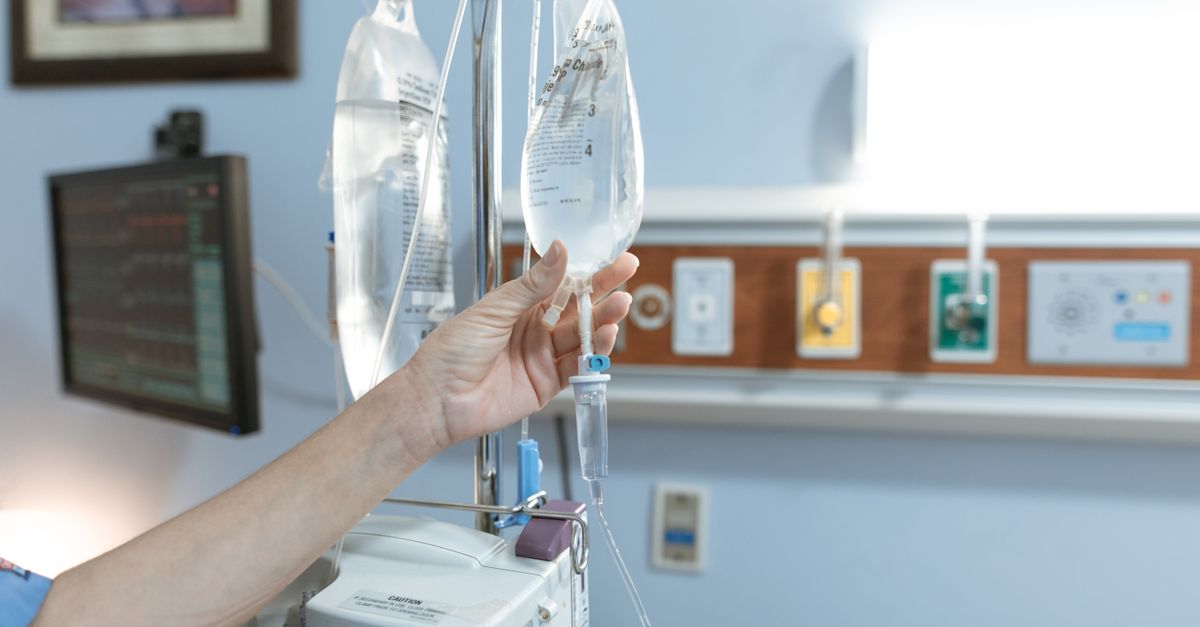
Once the infusion order is confirmed, a small IV catheter is placed in a peripheral vein, most commonly in the forearm or the back of the hand. The placement process takes only a minute or two, and most patients describe the sensation as mild pressure rather than significant pain. Patients who are anxious about needle placement can let the clinical team know in advance so that additional care and preparation can be taken to make the experience as comfortable as possible.
Vital signs including blood pressure and heart rate are measured at the start of the infusion and checked again before the patient is discharged. If any change in how the patient feels occurs during the session, including lightheadedness, unusual warmth, or tingling, the infusion rate can be adjusted or the session paused. The monitored setting is one of the key safety advantages of receiving IV therapy at a physician-directed practice rather than at an unmonitored facility.
Patients are encouraged to eat a light meal before arriving to minimize the likelihood of lightheadedness during the session, particularly for longer infusions or those involving magnesium, which can produce a brief warm or relaxed sensation as the infusion progresses. Water is available throughout the session, and the clinical team remains accessible for the full duration of the drip. OC Wellness Physicians Medical Group serves patients across Westminster, Irvine, Orange, and Mission Viejo, and same-day or next-day appointments are generally available depending on the location and current scheduling. Patients are encouraged to contact our team directly to confirm availability at the location most convenient for them.
How Long Do the Effects of IV Drip Therapy Last?
The duration of benefit from IV drip therapy varies by the formula administered and the individual patient’s baseline nutritional status. Many patients report noticeably improved energy levels and a clearer sense of hydration for several days following a session. For nutrient-dense formulas targeting specific deficiencies, clinical effects can persist from one to three weeks, though this range reflects individual variation rather than a uniform outcome. Patients with significant baseline depletion of a particular nutrient, such as magnesium or B12, may experience longer-lasting improvements after their first several infusions as circulating levels stabilize. The clinical team at OC Wellness Physicians Medical Group typically reassesses patient response after the initial session or series of sessions and adjusts the protocol frequency accordingly.
Is IV Drip Therapy Safe?
When administered in a physician-directed medical setting with appropriate intake screening, IV drip therapy carries a low risk profile for most adults. The most commonly reported side effects are minor and local: mild bruising or tenderness at the catheter insertion site, which resolves within a day or two in most cases. Some patients experience a brief sensation of warmth or mild nausea during infusions that contain higher concentrations of magnesium or vitamin B complexes. These sensations are typically transient and can be managed by slowing the infusion rate. Systemic adverse reactions are uncommon when proper screening is performed, which is why the intake review process at OC Wellness Physicians Medical Group is a required step before any infusion is ordered rather than an optional preliminary.
How Is IV Therapy at a Medical Practice Different from a Spa or Drip Bar?
The practical differences between a physician-directed medical practice and a standalone drip bar are meaningful from both a safety and a clinical effectiveness standpoint. At a physician-directed practice like OC Wellness Physicians Medical Group, infusion protocols are ordered and overseen by licensed physicians who have reviewed the patient’s health history, can interpret relevant laboratory values, and are qualified to respond to any adverse reaction that arises during or after an infusion. The prescribing physician is accountable for the clinical appropriateness of the formula, the dose of each component, and the suitability of the protocol for that specific patient’s health status.
Many standalone drip bars and spa-adjacent infusion services operate without this level of clinical oversight. In some cases, a nurse or medical assistant administers a pre-set menu formula without individualized physician review of the patient’s current health condition, medications, or contraindications. While many sessions in these settings proceed without incident, the absence of physician oversight means that contraindications such as kidney disease, cardiac conditions, or drug interactions may not be identified in advance. For patients who want the physiological benefits of IV therapy alongside the safety assurances of a clinical intake and oversight process, a physician-directed setting is the appropriate choice.
How Many IV Therapy Sessions Will I Need?
The number of sessions that will be clinically useful depends entirely on the patient’s goals and baseline health status. A single hydration drip is often sufficient to address acute dehydration following illness, intense athletic activity, or heat exposure. For patients pursuing a protocol targeting chronic fatigue, persistent immune vulnerability, or nutritional depletion, a series of infusions is typically recommended, often structured as weekly or bi-weekly sessions over one to two months, followed by a reassessment to evaluate response and determine whether continued or less frequent maintenance infusions are appropriate.
The clinical team at OC Wellness Physicians Medical Group outlines a recommended session schedule during the initial consultation based on the patient’s history, goals, and any relevant laboratory findings. This schedule is not rigid. It is reviewed as the protocol progresses, and adjustments are made based on the patient’s reported response and any follow-up testing that informs the clinical picture. Patients are not expected to commit to a fixed number of sessions without the opportunity to reassess as their condition evolves.
Can I Combine IV Drip Therapy with Other Treatments at OC Wellness?
IV therapy is frequently combined with other services available at OC Wellness Physicians Medical Group, and the multi-specialty nature of the practice makes coordinating those services through a single clinical team straightforward. Patients receiving ongoing pain management care sometimes incorporate IV therapy as a complementary support for fatigue or inflammation-related symptoms. Others combine infusion sessions with acupuncture, laser therapy, or regenerative medicine consultations as part of a broader wellness or recovery strategy. When services are coordinated through a shared care team, clinical decisions in one area can be informed by what is happening across the rest of the patient’s treatment plan, which tends to produce more coherent and responsive care overall.
Does OC Wellness Offer IV Therapy at All Four Orange County Locations?
OC Wellness Physicians Medical Group operates clinics in Westminster, Irvine, Orange, and Mission Viejo. IV therapy availability at each specific location can be confirmed directly by contacting the practice. Scheduling, staffing, and service availability can shift over time, so calling ahead to verify that the formula you are interested in is available at your preferred location is the most reliable approach. The clinical team can also advise on appointment availability and whether same-day or next-day scheduling is possible at the location nearest to you.
Will My Insurance Cover IV Drip Therapy?
For most patients seeking IV therapy for wellness, recovery, or preventive health purposes, standard health insurance plans will not provide coverage. Elective infusions administered outside of an acute care or documented medical necessity context generally fall outside the scope of what commercial insurers will reimburse. That said, circumstances exist in which IV therapy is medically indicated and can be properly documented as such, for example in a patient with a confirmed malabsorption disorder, a documented nutritional deficiency requiring parenteral supplementation, or another clinical condition that supports the medical necessity criterion. In those cases, partial coverage may be possible depending on the patient’s specific plan. The administrative team at OC Wellness Physicians Medical Group can help patients review their benefit situation and understand what documentation would be needed to support a coverage inquiry.
To learn more about IV drip therapy at OC Wellness Physicians Medical Group or to schedule a consultation at our Westminster, Irvine, Orange, or Mission Viejo locations, call us at (714) 735-0313. Our clinical team is available to answer questions about formula options, pricing, and scheduling. Patients who were referred following an injury or accident can also review our patient injury care services and information for referring providers through our attorney support page.