
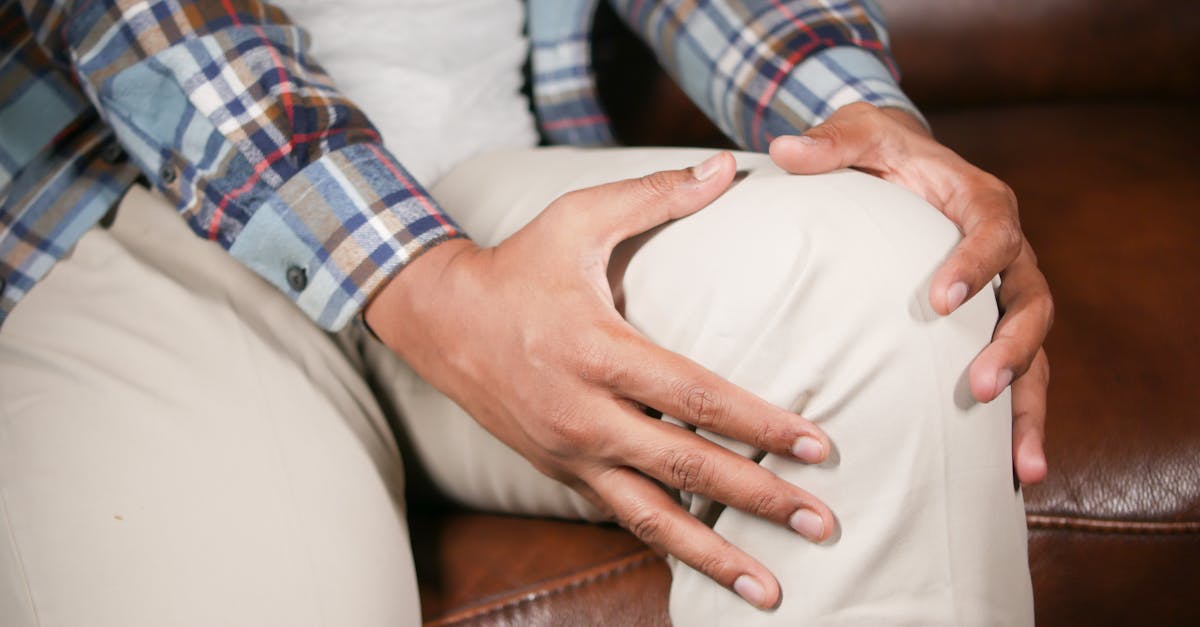
Non-Surgical Knee Pain Treatment: Options Before Surgery
Knee pain can make walking, climbing stairs, and staying active a daily struggle, but surgery is not the only path to relief. Many people find lasting improvement through non-surgical care that targets the underlying cause rather than simply managing symptoms from the surface. At OC Wellness Physicians Medical Group, we help patients across our four Orange County locations explore conservative and regenerative options before considering an invasive procedure. This guide walks through the common causes of knee pain, the non-surgical treatments available today, and how an integrated approach can help you regain mobility and comfort, whether your pain comes from arthritis, injury, or overuse.
Common Causes of Knee Pain
Understanding why your knee hurts is the essential first step toward choosing the right course of care. Knee pain is not a single condition but a symptom that can arise from several distinct structures within and around the joint. Pinpointing the source allows the clinical team to design a treatment plan that addresses the actual problem rather than a generic set of symptoms.
Among the most common culprits is osteoarthritis, a progressive condition in which the cartilage cushioning the joint gradually wears away. As cartilage thins, bones begin to move with less protection, producing pain, stiffness, and swelling that often worsen with activity or after long periods of rest. Osteoarthritis is particularly common after midlife but can also develop earlier in people with prior injuries or certain movement patterns.
Ligament and meniscus injuries represent another frequent cause, often tied to sports, falls, or motor vehicle accidents. The anterior cruciate ligament, the medial collateral ligament, and the two menisci inside the joint can all sustain tears or sprains that generate immediate pain, swelling, and a sense of instability. Even partial tears that do not require immediate surgery can limit daily function and benefit from careful, structured rehabilitation.
Tendinitis and overuse conditions develop differently, typically building gradually from repetitive stress rather than a single event. Runners, cyclists, and individuals whose occupations involve repeated squatting or stair climbing are particularly susceptible. The patellar tendon, which connects the kneecap to the shinbone, is a common site, and inflammation there can cause sharp or aching pain at the front of the knee during and after activity.
Bursitis, which is inflammation of the small fluid-filled sacs that cushion the joint, can also produce significant discomfort, particularly with sustained pressure on the knee such as prolonged kneeling. Because effective knee pain treatment differs meaningfully depending on whether the source is arthritis, an acute structural injury, or an overuse condition, thorough evaluation through examination and appropriate imaging is the necessary starting point for any care plan.
Why Consider Non-Surgical Treatment First
Surgery carries real risks, including infection, blood clots, anesthesia complications, and extended recovery periods that can keep patients away from work and daily activities for weeks or months. For many knee conditions, particularly those without severe structural damage, conservative care produces meaningful and durable relief without exposing patients to those risks. Starting with non-surgical options is not a compromise; it is a clinically sound approach supported by a substantial body of evidence.
One of the advantages of conservative care is that it can begin almost immediately after a diagnosis is established. Physical therapy, chiropractic treatment, and other modalities can be initiated without the waiting periods that often accompany surgical scheduling, and the plan can be adjusted week by week based on how the knee responds. This flexibility is an important feature when treating a joint as complex and load-bearing as the knee.
Non-surgical treatment also addresses contributing factors that surgery alone typically does not resolve. Muscle weakness around the hip and thigh, poor movement mechanics, and postural imbalances all place additional stress on the knee. Correcting these factors can reduce pain and prevent recurrence in ways that an operation on the joint itself cannot achieve. Patients who engage consistently with conservative care often find that improvements in strength and mobility outlast the initial treatment period.
Even in situations where surgery does eventually become the appropriate choice, patients who have completed a course of conservative care beforehand tend to have better outcomes. Stronger surrounding musculature, improved range of motion, and familiarity with rehabilitation exercises all contribute to faster and more complete recovery after an operation. Approaching knee pain treatment in a stepwise fashion, beginning conservatively and escalating only when warranted, reflects careful, patient-centered medicine rather than a delay in necessary care.
Non-Surgical Knee Pain Treatment Options
The range of non-surgical options available for knee pain has expanded considerably, and today’s patients have access to treatments that address pain, inflammation, biomechanics, and tissue health through several different pathways. An integrated approach, combining two or more complementary modalities, generally produces better results than any single treatment used in isolation. Our clinical team at OC Wellness Physicians Medical Group evaluates each patient’s specific condition and builds a coordinated plan accordingly.
Physical therapy is a cornerstone of most knee pain treatment plans. A structured therapy program strengthens the quadriceps, hamstrings, and hip muscles that stabilize the knee during movement, improving the joint’s ability to handle daily loads without pain. Therapy also addresses flexibility deficits and teaches movement patterns that reduce unnecessary strain on joint structures. For many patients, consistent physical therapy alone produces a clinically significant reduction in pain and an improvement in function.
Chiropractic care contributes to knee pain treatment by examining and addressing alignment and biomechanical issues that originate above and below the knee. Restrictions in the hip, pelvis, or ankle can shift loading forces onto the knee joint in ways that accelerate wear and sustain pain. By restoring better alignment and mobility through the lower kinetic chain, chiropractic treatment reduces the mechanical stress that the knee must absorb with each step.
Laser therapy uses targeted light energy to support cellular repair and reduce inflammation within the joint and surrounding soft tissues. It is a non-invasive modality with a favorable safety profile that can complement other treatments during periods when the knee is too irritated for aggressive manual or exercise-based care. Acupuncture offers another avenue for inflammation and pain management through the placement of fine needles at specific points, and a growing body of clinical literature supports its role in musculoskeletal pain conditions, including knee osteoarthritis.
Beyond these hands-on treatments, activity modification, appropriate bracing, and guided home exercise programs play a meaningful role in daily management. Reducing activities that consistently provoke pain while maintaining general conditioning prevents the deconditioning that often makes knee problems worse over time. Bracing can off-load specific compartments of the joint during recovery, and when fitted and used correctly, it supports function without encouraging dependence. Together, these elements form a comprehensive, personalized framework for non-surgical knee pain treatment, each layer reinforcing the others.
When Regenerative Medicine May Help Your Knee
For patients whose knee pain persists despite physical therapy and other conservative measures, or who want to pursue options that aim at the joint’s underlying biological environment, regenerative medicine offers an additional category of treatment. These therapies work differently from traditional interventions in that they attempt to engage the body’s own repair mechanisms rather than simply reducing a symptom.
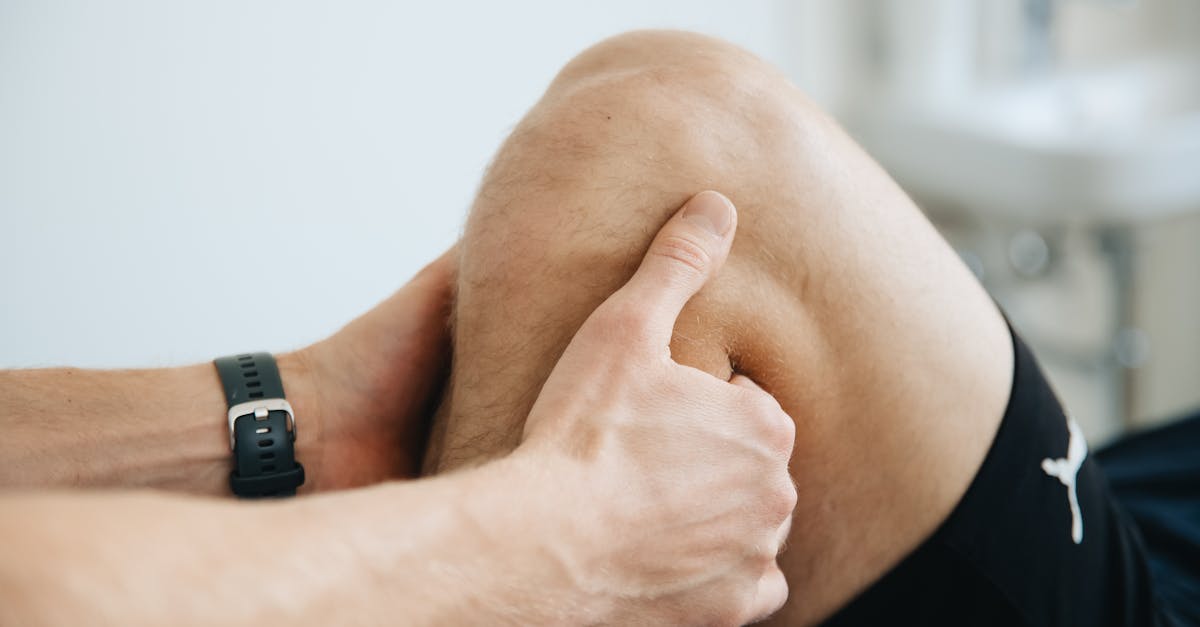
Platelet-rich plasma therapy, commonly referred to as PRP, is one of the more established regenerative options for knee conditions. The procedure involves drawing a small amount of the patient’s blood, concentrating the platelet layer through centrifugation, and injecting the resulting preparation into the affected area. Platelets carry growth factors that play a role in tissue repair, and delivering a concentrated dose directly to the joint creates a local environment more conducive to healing. Clinical studies have examined PRP for knee osteoarthritis and soft-tissue injuries with results that vary by severity and individual biology.
Regenerative therapies may be particularly worth considering for patients with moderate osteoarthritis or chronic tendon and ligament injuries that have not responded adequately to conventional care. These treatments aim at the underlying joint environment rather than only interrupting pain signals, which distinguishes them from corticosteroid injections that reduce inflammation without addressing the structural condition driving it. For patients who want to postpone or avoid surgery, adding a regenerative option to an existing rehabilitation program can provide an additional avenue for improvement.
It is important to note that regenerative medicine is not appropriate for every knee condition or every patient. Severe bone-on-bone arthritis, certain types of structural damage, and other clinical factors can limit the potential benefit. A thorough evaluation determines whether a patient is a suitable candidate, and at OC Wellness Physicians Medical Group, that evaluation includes a frank conversation about realistic expectations, the evidence base, and how a regenerative approach would fit within the broader treatment plan. Regenerative therapy is most effective when it is integrated with physical therapy and other rehabilitative elements rather than used as a standalone intervention.
How OC Wellness Treats Knee Pain
At OC Wellness Physicians Medical Group, knee pain treatment begins with a thorough clinical evaluation designed to identify the specific cause and contributing factors driving each patient’s symptoms. This process may include a detailed physical examination, review of medical history, and imaging studies when clinically indicated. Establishing an accurate diagnosis before initiating treatment is a foundational principle of the care delivered across all four of our Orange County locations.
Once the cause of knee pain is understood, our multi-specialty clinical team coordinates a personalized plan that may draw from physical therapy, chiropractic care, acupuncture, laser therapy, and regenerative medicine, depending on what the patient’s condition warrants. Rather than applying a single standardized approach, we design care around the individual’s diagnosis, activity level, daily demands, and treatment goals. This coordination across specialties under one organizational structure means that providers share information and adjust the plan together, rather than operating in silos.
Patients can access care at our Westminster, Irvine, Orange, and Mission Viejo locations, making it practical to maintain consistent follow-up appointments without long travel. Coordinated scheduling helps ensure that a patient’s physical therapy and other treatments align with the overall plan and that clinical findings from one visit inform the next. Ongoing reassessment allows the team to recognize when a patient is progressing, when a component of the plan needs adjustment, and when additional evaluation is warranted.
Our pain management services are integrated into the broader treatment framework so that patients dealing with significant discomfort have support that allows them to engage with rehabilitative care more effectively. Managing pain appropriately during treatment, rather than either ignoring it or relying solely on medication, is an important part of helping patients stay active and build the strength their knees need for durable improvement. The goal throughout is to restore function and reduce dependence on ongoing intervention over time.
For patients who have been injured in an accident, care at OC Wellness Physicians Medical Group may be available with no upfront out-of-pocket cost through lien-based billing arrangements. Patients in this situation are encouraged to contact our office to discuss how their care can be coordinated with any ongoing legal or insurance process.
Can Knee Pain Be Treated Without Surgery?
Yes. Many causes of knee pain, including osteoarthritis, tendinitis, and a range of soft-tissue injuries, improve with non-surgical care. Physical therapy, chiropractic treatment, laser therapy, acupuncture, and regenerative options such as PRP each address different aspects of the condition, and combining them within a coordinated plan gives patients the broadest opportunity for meaningful improvement. Conservative treatment is widely recognized as the appropriate first step for most knee conditions, and it helps many patients avoid or significantly delay an operation.
What Is the Best Non-Surgical Treatment for Knee Arthritis?
There is no single best option for knee arthritis because the most effective approach depends on the severity of the condition, the patient’s overall health, activity level, and prior treatment history. That said, a combination of physical therapy to build the muscles that protect the joint, modalities that address inflammation, and in appropriate cases regenerative therapy such as PRP, tends to produce the most consistent results. An individualized evaluation is the necessary starting point for determining which elements are most likely to benefit a given patient and in what combination.
How Do I Know If My Knee Pain Needs Surgery?
Surgery is generally considered when a course of conservative care has not produced adequate relief, when imaging reveals significant structural damage that limits function, or when the knee is mechanically unstable in ways that cannot be managed through rehabilitation. Many patients who initially assume they need surgery find that a well-designed non-surgical program restores enough function to meet their daily and activity goals without an operation. A clinical evaluation at OC Wellness Physicians Medical Group can help clarify the extent of the underlying condition and whether conservative care is a reasonable option for your specific situation.
Does PRP Therapy Work for Knee Pain?
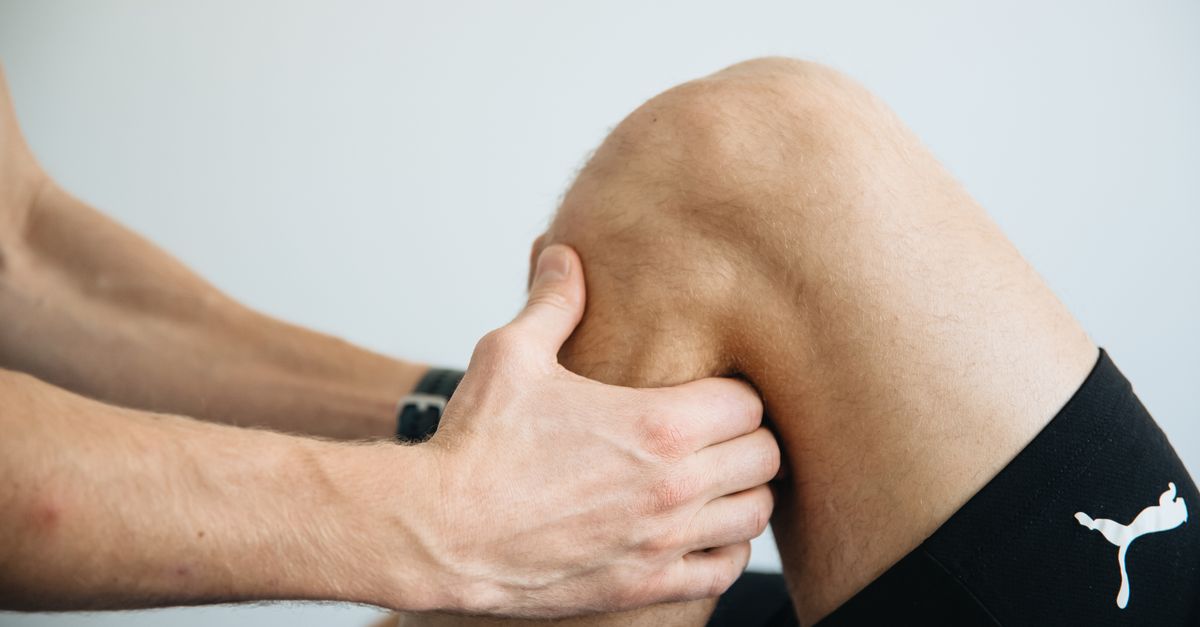
PRP therapy has shown benefit for certain patients with knee osteoarthritis and soft-tissue injuries such as tendon conditions by delivering concentrated growth factors directly to the affected area. The research literature shows that results vary based on the severity of the condition, the degree of remaining joint space, and individual biological factors. PRP is not appropriate for every knee condition, and an evaluation is necessary to determine whether a patient is a good candidate. When used as part of a comprehensive plan that includes rehabilitation, it may offer benefit beyond what conservative care alone achieves for some patients.
How Long Does Non-Surgical Knee Treatment Take to Work?
Timelines vary considerably depending on what is causing the knee pain and how long the condition has been present. Many patients begin to notice meaningful improvement over several weeks of consistent care, particularly as strength and mobility increase through physical therapy. Chronic conditions like osteoarthritis require longer-term management rather than a fixed course of treatment, while some acute soft-tissue injuries can respond more quickly when care begins promptly. Your clinical provider will outline realistic expectations for your specific diagnosis and help you understand what milestones to watch for as treatment progresses.
How Can OC Wellness Help With My Knee Pain?
Our multi-specialty clinical team evaluates the underlying cause of your knee pain and coordinates a personalized treatment plan that may include physical therapy, chiropractic care, acupuncture, laser therapy, and regenerative medicine. Care is delivered across four Orange County locations with coordinated follow-up designed to track your progress and adjust your plan as needed. Whether your knee pain stems from arthritis, an overuse condition, or an injury, a structured evaluation is the starting point for understanding your options and taking the first practical step toward relief.
If knee pain is limiting your daily life, the clinical team at OC Wellness Physicians Medical Group is ready to help you explore non-surgical options that address the cause of your symptoms. Call us at (714) 735-0313 to schedule an evaluation, or reach the team through our contact page to find the Orange County location most convenient for you.