
Class IV Laser Therapy for Pain: How It Works and Who It Helps
Laser therapy for pain has emerged as a clinically validated, non-invasive treatment for a wide range of musculoskeletal conditions, from acute sports injuries to chronic nerve pain. OC Wellness Physicians Medical Group offers physician-directed Class IV laser therapy at locations across Orange County, including Westminster, Irvine, Orange, and Mission Viejo. For patients seeking effective, drug-free pain relief, understanding how this technology works and what conditions it addresses is an important first step toward informed care decisions.
What Is Class IV Laser Therapy and How Does It Differ from Other Lasers?
Class IV therapeutic lasers represent a meaningful advance over earlier generations of clinical laser devices. These systems deliver wavelengths typically between 800 and 1064 nanometers at power outputs exceeding 500 milliwatts, which allows photons to penetrate deeply into muscle, joint, and nerve tissue rather than being absorbed at or near the skin surface. This depth of penetration is what distinguishes Class IV devices from the Class III or cold lasers that have been used in physical therapy settings for decades.
Cold lasers operate at substantially lower power levels and are limited in their ability to reach structures lying several centimeters beneath the skin. By contrast, a Class IV device can deliver a meaningful photon dose to deeper targets such as the lumbar facet joints, the rotator cuff tendons, or the sciatic nerve trunk. This expanded reach makes Class IV technology particularly relevant for conditions that originate in structures not accessible to lower-powered equipment.
The underlying mechanism is called photobiomodulation. When laser light at therapeutic wavelengths reaches living tissue, it is absorbed by cellular chromophores, particularly cytochrome c oxidase within the mitochondria. This absorption initiates a cascade of biological responses that alter cell metabolism, reduce inflammation, and promote tissue repair. The process is entirely photochemical in nature and should not be confused with the thermal or ablative lasers used in surgical procedures, which cut or destroy tissue through concentrated heat.
FDA-cleared Class IV therapeutic laser systems are integrated into comprehensive pain management protocols at multi-specialty practices. These systems allow clinicians to adjust wavelength, power, and dosage parameters to match the specific tissue depth and condition being treated, making the technology adaptable across a broad range of clinical presentations. Our laser therapy program at OC Wellness Physicians Medical Group is built around this evidence-informed approach to device selection and protocol design.
The Science of Photobiomodulation: Why Laser Therapy Reduces Pain
The clinical benefit of laser therapy for pain is grounded in well-characterized cellular and molecular mechanisms, not simply in anecdotal observation. When mitochondria absorb laser energy, one of the primary downstream effects is an increase in the production of ATP, adenosine triphosphate, which serves as the primary energy currency of the cell. Injured or hypoxic cells operating under energy deficits gain access to the substrate they need to carry out repair processes, accelerating the natural healing timeline in a meaningful way.
Inflammation control is another central mechanism. Chronic pain states are frequently sustained by an ongoing inflammatory process in which pro-inflammatory cytokines such as interleukin-1 beta and TNF-alpha remain elevated long after the initial injury event. Photobiomodulation has been shown to downregulate these signaling molecules, helping to resolve the inflammatory environment that perpetuates tissue sensitivity and functional limitation. For patients whose pain has persisted for months or years, this cytokine-modulating effect represents a meaningful biological intervention rather than simple symptom management.
Laser energy also stimulates the local release of nitric oxide, a signaling molecule that promotes vasodilation and improves microcirculation in tissue areas that have become ischemic or poorly perfused following injury. Improved blood flow supports nutrient delivery, waste product clearance, and the recruitment of cells involved in tissue remodeling. This vascular effect complements the direct cellular energy effects described above, creating a favorable environment for recovery at multiple biological levels.
Perhaps most relevant to patients seeking pain relief, photobiomodulation appears to reduce the sensitization of nociceptors, the specialized nerve endings responsible for transmitting pain signals to the central nervous system. Nerve conduction research suggests that laser energy can modulate nociceptor activity in a way that produces genuine analgesic effects, meaning actual reduction in pain signal generation rather than temporary masking of symptoms. This neurological component helps explain why many patients report improved pain scores that persist between sessions and accumulate over the course of a full treatment protocol.
These interconnected biological mechanisms collectively explain why laser therapy for pain can produce durable outcomes. The effects build on one another across successive treatment sessions, which is why most clinical protocols involve multiple visits rather than a single application. Patients who complete a full recommended course typically experience more stable and sustained improvement than those who discontinue treatment after only one or two sessions.
Conditions Treated with Laser Therapy at OC Wellness
The range of conditions that respond to Class IV laser therapy is broad, encompassing both acute injuries and chronic pain syndromes. Among the most commonly treated presentations are musculoskeletal conditions including neck pain, low back pain, shoulder tendinopathy, and knee osteoarthritis. These diagnoses share a common thread of localized inflammation, compromised tissue integrity, and sensitized pain pathways, all of which are targeted by the photobiomodulation process.
Neuropathic pain syndromes represent another important treatment category. Conditions such as peripheral neuropathy, sciatica, and carpal tunnel syndrome involve pain that originates in damaged or compressed neural tissue and often responds poorly to conventional anti-inflammatory treatments alone. The deeper penetrating capability of Class IV devices allows clinicians to deliver therapeutic doses to affected nerve structures, making laser therapy a valuable component of care for patients who have not found adequate relief through other modalities.
Soft tissue injuries involving muscle strains, ligament sprains, and tendinitis are particularly well suited to laser treatment, regardless of whether those injuries arose from an automobile accident, a sports activity, or the cumulative demands of work-related tasks. The accelerated tissue repair effects of photobiomodulation are directly applicable to the cellular-level damage that defines these conditions. Patients recovering from such injuries often find that incorporating laser therapy into their rehabilitation shortens the overall recovery timeline and reduces the level of pain they experience during the healing process.
Patients managing longer-term conditions such as fibromyalgia, failed back surgery syndrome, or post-surgical pain may use laser therapy as one component of an ongoing, multi-modal pain management plan. In these contexts, the goal is not necessarily a complete cure but rather meaningful improvement in function, reduction in pain levels, and enhanced quality of life. Personal injury patients treated at OC Wellness Physicians Medical Group frequently receive laser therapy as part of their acute recovery protocol, with thorough documentation maintained in support of any related legal or insurance processes.
What to Expect During a Laser Therapy Session
For patients who have not previously undergone laser therapy, understanding what a typical session involves can reduce uncertainty and help set realistic expectations. Before treatment begins, both the patient and the treating clinician put on protective eyewear calibrated to the specific wavelength emitted by the device being used. This is a non-negotiable safety step for all Class IV laser procedures and is observed consistently at every session regardless of the treatment site or duration.
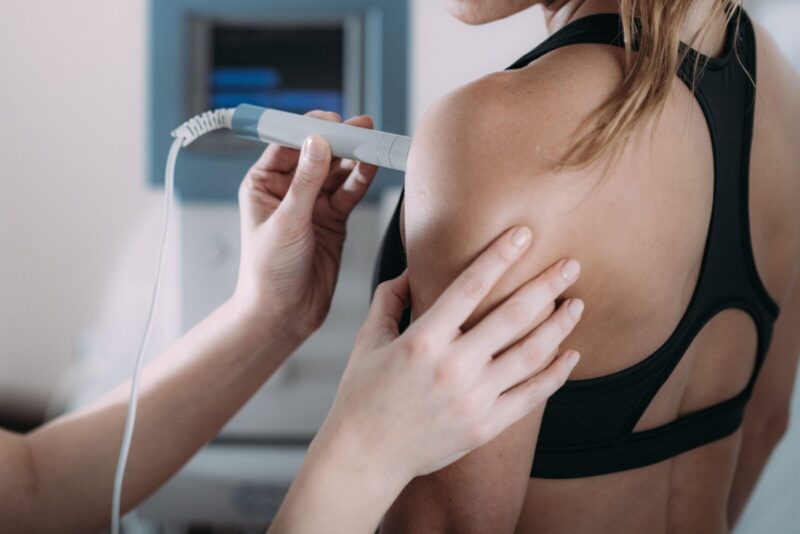
Once protective measures are in place, the clinician applies the handheld laser applicator to the target area using slow, overlapping passes across the skin surface. The device does not puncture or abrade the skin in any way. Most patients describe the sensation as a gentle, progressive warmth that builds during the session and is generally experienced as comfortable rather than painful. The treatment area may feel slightly warm to the touch for a short time after the session concludes, which is a normal physiological response.
Session length varies depending on several factors, including the size of the area being treated, the depth of the target tissue, and the dosage parameters selected for the specific condition and patient. A focused session targeting a single tendon or joint may last as few as five minutes, while a broader treatment covering a large muscle group or multiple spinal levels may run up to twenty minutes. The clinician selects and adjusts these parameters based on the treatment protocol established during the initial evaluation.
Most acute conditions are treated across a course of six to twelve sessions, typically scheduled two to three times per week to allow the photobiomodulation response to accumulate without excessive gaps between applications. Chronic conditions that have been present for months or years often require longer courses before patients achieve a sustained level of improvement. One of the practical advantages of laser therapy is that it carries no required recovery period. Patients can return to their normal daily activities immediately after each session, which makes it well suited to busy schedules and active rehabilitation programs.
Laser Therapy as Part of a Multi-Specialty Pain Management Plan
At OC Wellness Physicians Medical Group, laser therapy is positioned as one element within a broader, physician-directed care plan rather than as a standalone intervention. While laser therapy delivers genuine and measurable benefit on its own, its effects are frequently amplified when coordinated with other evidence-supported treatments that address different aspects of the patient's condition. This integrated approach reflects the clinical philosophy that guides care across all OC Wellness locations.
Combining laser therapy with chiropractic adjustments allows clinicians to address both the biomechanical and inflammatory components of spinal and joint conditions simultaneously. Similarly, pairing laser therapy with acupuncture can produce complementary effects on pain modulation and tissue function, drawing on different physiological pathways to achieve a more complete therapeutic response. When physical rehabilitation exercises are introduced alongside laser therapy, patients often find they are able to engage in movement-based recovery with less pain and greater range of motion, improving the overall outcome of the rehabilitation process.
For patients with tissue injuries that involve significant structural damage or degeneration, laser therapy may also be combined with regenerative medicine injections such as platelet-rich plasma or other biologic agents that support tissue repair at the cellular level. The vasodilation and increased microcirculation produced by photobiomodulation may enhance the local environment into which regenerative agents are delivered, potentially supporting their effectiveness. The multi-specialty structure of OC Wellness Physicians Medical Group allows providers across disciplines to share documentation, align treatment goals, and adjust protocols as the patient progresses.
For personal injury patients in particular, the value of integrated care extends beyond the clinical benefits. When laser therapy sessions are documented as part of a comprehensive, multi-disciplinary recovery record, that documentation provides treating physicians and legal representatives with a thorough account of the care delivered, the patient's progress, and the relationship between the injury and the treatment provided. This level of record keeping is a routine part of care at OC Wellness Physicians Medical Group and supports patients navigating the intersection of medical recovery and legal process.
Patients across Orange County can access laser therapy and the full range of services offered by OC Wellness Physicians Medical Group at any of four convenient locations. Our clinical team works collaboratively to ensure that each patient's care plan reflects their specific diagnosis, functional goals, and overall health status. To learn more about how laser therapy fits into a broader pain management strategy, visit our contact page to find the office nearest you.
Is laser therapy for pain safe?
Class IV laser therapy has an excellent safety record when performed by trained clinicians using properly calibrated equipment. The primary safety requirement is protective eyewear for both the patient and the provider, which is used at every session without exception. The treatment does not involve ionizing radiation, surgical incisions, or pharmaceutical agents, making it appropriate for a wide range of patients including those who prefer to minimize medication use or who are not candidates for more invasive interventions.
How quickly does laser therapy relieve pain?
Response time varies among patients and depends on the nature and duration of the condition being treated. Some individuals notice measurable reduction in pain and improved mobility after one to three sessions. However, most clinical protocols call for a minimum of six sessions before a comprehensive assessment of benefit is made, because the photobiomodulation response accumulates progressively across successive treatments. Patients are encouraged to complete the recommended course before drawing conclusions about overall effectiveness.
Does laser therapy for pain hurt?
Class IV laser therapy is generally described as painless by the large majority of patients. The most common sensation during treatment is a gentle, localized warmth that many patients find soothing. In cases involving acute inflammation, a small number of patients may experience mild, temporary discomfort at the treatment site during the session, but this typically resolves quickly and does not require any intervention. The clinical team monitors patient comfort throughout each session and can adjust treatment parameters as needed.
How many laser therapy sessions will I need?
The number of sessions required depends primarily on whether the condition being treated is acute or chronic, as well as on the individual patient's response to care. Acute conditions such as recent soft tissue injuries typically show meaningful improvement within six to twelve sessions. Chronic conditions that have been present for an extended period may require twelve to twenty sessions or, in some cases, a schedule of ongoing maintenance treatments to sustain functional gains. The clinical team at OC Wellness Physicians Medical Group develops individualized protocols based on each patient's specific diagnosis and their response to the initial phase of treatment.
Can laser therapy be combined with other treatments?
Yes. Laser therapy integrates well with a broad range of other clinical interventions, and combining modalities often produces better functional outcomes than any single treatment delivered in isolation. At OC Wellness Physicians Medical Group, laser therapy is routinely coordinated with chiropractic care, physical rehabilitation, acupuncture, and regenerative medicine injections as part of a cohesive, physician-directed plan. The multi-specialty structure of the practice makes this kind of coordinated care logistically straightforward for patients.
Is laser therapy covered by insurance?
Insurance coverage for laser therapy varies by carrier and by the specific plan the patient holds. The staff at OC Wellness Physicians Medical Group can assist with benefits verification and can explain available payment options during the initial consultation. Patients receiving care for injuries related to automobile accidents or other personal injury events may have laser therapy documented and submitted as part of their accident-related medical records, which can be relevant to the claims process.
Where can I get Class IV laser therapy in Orange County?
OC Wellness Physicians Medical Group offers Class IV laser therapy at clinic locations in Westminster, Irvine, Orange, and Mission Viejo, serving patients throughout Orange County. Each location provides access to the full multi-specialty care team and the same physician-directed standards of treatment. Prospective patients can call to schedule an evaluation, ask questions about the treatment process, or request information about how laser therapy might fit into their specific care needs.
If you are managing musculoskeletal pain, a soft tissue injury, or a chronic pain condition and want to learn whether laser therapy is appropriate for your situation, the clinical team at OC Wellness Physicians Medical Group is available to help. Call (714) 735-0313 to schedule a consultation at the location most convenient to you. You can also learn more about injury care services and attorney support resources available through our practice.