

PRP Therapy: How Platelet-Rich Plasma Helps You Heal
PRP therapy has become a widely discussed regenerative option for people who want to address the source of joint and soft-tissue pain rather than simply mask it. But how does using a concentrated sample of your own blood actually promote healing, and what conditions does it help? At OC Wellness Physicians Medical Group, we offer platelet-rich plasma therapy as part of our regenerative medicine program across four Orange County locations serving Westminster, Irvine, Orange, and Mission Viejo. This guide explains what PRP is, how the procedure works, which conditions it may treat, and what to expect so you can decide whether this natural, minimally invasive approach fits your recovery goals.
What Is PRP Therapy?
PRP stands for platelet-rich plasma, a concentrated biological preparation made from a small sample of your own blood. Platelets are specialized cells that circulate throughout the bloodstream, and they carry a rich supply of growth factors that play a central role in the body’s natural tissue-repair and healing processes. When an injury occurs, platelets rush to the site and begin releasing these signaling proteins to recruit additional repair cells and initiate tissue remodeling. PRP therapy takes advantage of this natural mechanism by amplifying the concentration of those beneficial platelets and delivering them precisely where healing is needed.
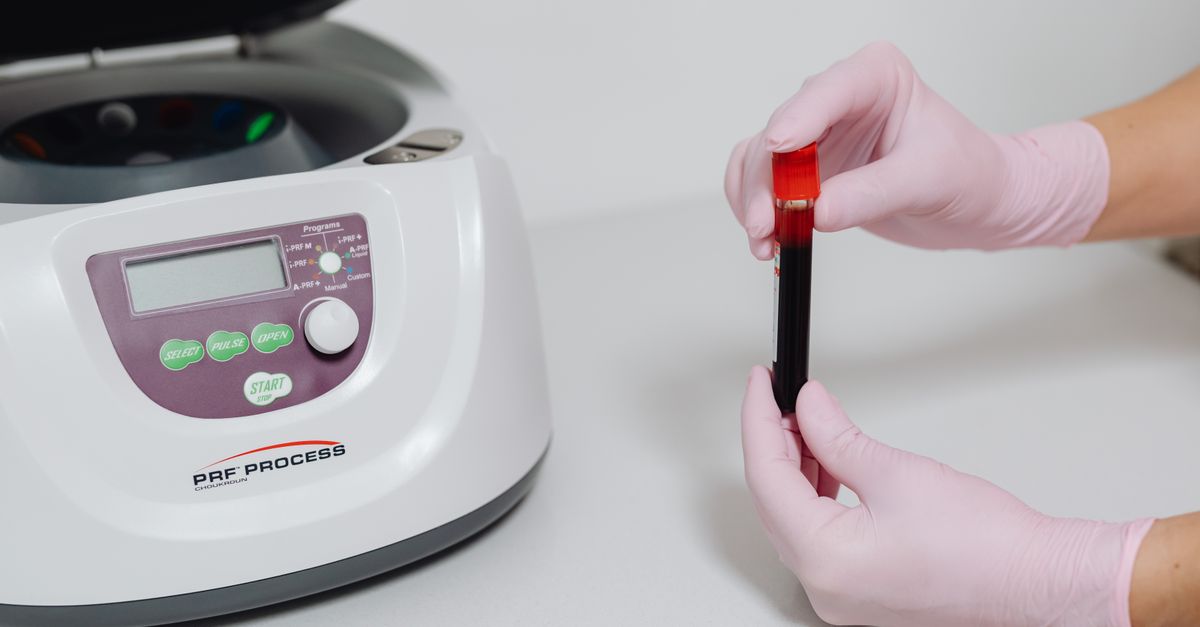
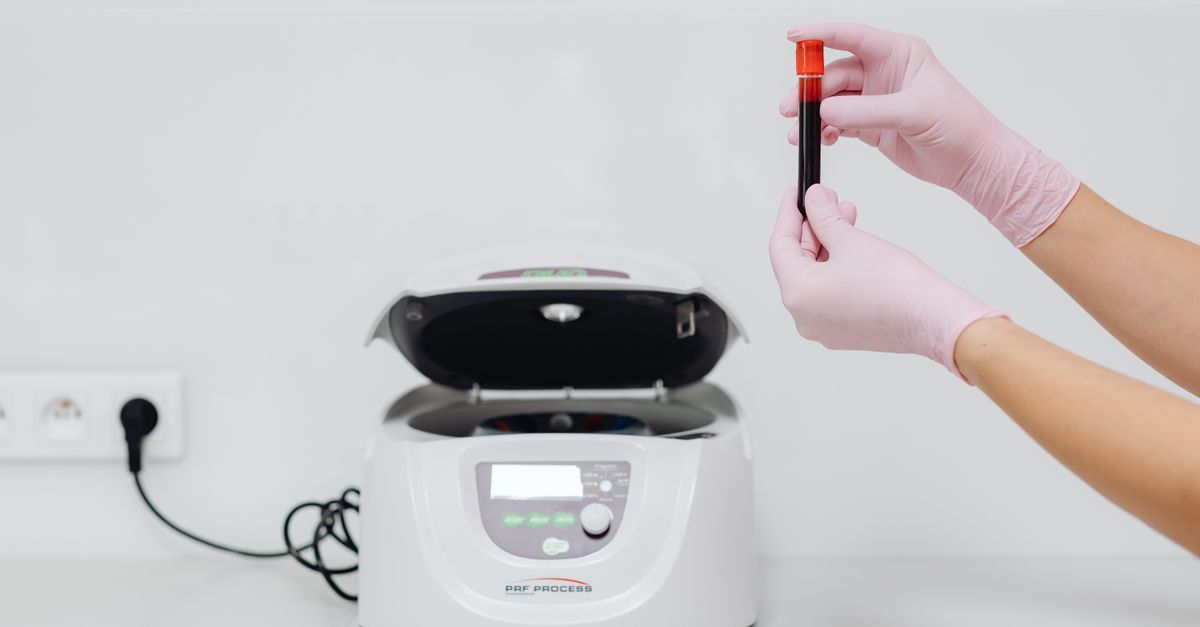
To create PRP, a clinical provider draws a small amount of blood from the patient, typically from the arm, in a process no different from routine laboratory bloodwork. That blood sample is then placed into a centrifuge, a device that spins the sample at high speed to separate its components by density. The spinning process isolates the platelet-rich layer of plasma from the red blood cells and other components, yielding a concentrated preparation that contains a significantly higher platelet count than whole blood normally provides.
Once the concentration step is complete, the prepared PRP is injected directly into the injured or painful area, placing those growth factors at the precise location where the body needs support. Because the entire preparation is derived from the patient’s own biological material, PRP carries a very low risk of allergic reaction or immune rejection. This autologous nature is one of the features that makes it an appealing option for patients seeking a minimally invasive approach to pain and tissue repair. Our clinical team at OC Wellness Physicians Medical Group selects the concentration protocol based on each patient’s diagnosis and treatment goals.
How PRP Promotes Healing
The therapeutic effect of PRP centers on the growth factors concentrated within the platelets. When injected into damaged tissue, these proteins send biochemical signals that prompt the body to accelerate tissue remodeling and repair at the treated site. Among the growth factors found in PRP are platelet-derived growth factor, transforming growth factor, vascular endothelial growth factor, and insulin-like growth factor, each of which plays a specific role in recruiting repair cells, stimulating collagen production, and supporting the formation of new blood vessels that nourish healing tissue.
One reason PRP has attracted interest for musculoskeletal conditions is that tendons and ligaments have a relatively poor blood supply compared to muscle tissue. Limited circulation means that nutrients and repair signals reach these structures slowly, which is why tendon and ligament injuries often heal incompletely or over a prolonged period. By injecting a concentrated source of growth factors directly into these low-vascularized areas, PRP aims to overcome that biological limitation and stimulate repair in tissue that the body’s ordinary healing response struggles to reach efficiently.
Unlike corticosteroid injections, which primarily suppress inflammation and provide temporary symptomatic relief, PRP targets the underlying tissue damage with the goal of producing longer-lasting structural improvement. This distinction matters for patients whose pain has persisted despite other conservative measures. Patients who undergo PRP as part of a broader pain management plan tend to benefit most when they understand that healing unfolds gradually over several weeks rather than producing immediate results. The biological repair process takes time, and patience during recovery is an important part of the overall approach.
Combining PRP with appropriate rehabilitation is an important consideration that our clinical team emphasizes. Physical loading of a healing tendon or ligament, applied in the right amounts and at the right time through guided exercise, can reinforce the tissue-remodeling process that PRP initiates. Coordinating PRP with physical therapy and, where appropriate, chiropractic care allows the treated tissue to be progressively strengthened as it heals, reducing the likelihood of re-injury once recovery is complete.
Conditions PRP Therapy May Treat
Chronic tendon problems represent some of the most common indications for PRP therapy. Conditions such as lateral epicondylitis (tennis elbow), medial epicondylitis (golfer’s elbow), and Achilles tendinitis involve degenerative changes within the tendon that can be slow to resolve with rest and conventional treatment alone. PRP injections into these tendons deliver concentrated growth factors to the site of degeneration, which may help reverse the degenerative process and restore the structural integrity of the affected tissue over time.
Osteoarthritis of the knee, hip, or shoulder is another area where PRP has been studied and applied clinically. In osteoarthritic joints, the cartilage that cushions bone surfaces breaks down progressively, leading to pain, stiffness, and reduced function. While PRP does not regenerate lost cartilage, it may help modify the joint environment by reducing inflammatory mediators and supporting the health of remaining cartilage and the surrounding soft tissue. For patients who are not yet candidates for joint replacement or who want to delay surgery, PRP can be a meaningful component of a conservative management strategy.
Partial ligament and tendon tears that have been slow to heal on their own are frequently evaluated as candidates for PRP. When imaging confirms a partial injury rather than a complete rupture, the tissue retains some structural continuity, and growth factor stimulation may help consolidate and strengthen the remaining fibers. Similarly, plantar fasciitis, a painful condition involving the thick band of tissue along the bottom of the foot, is a stubborn soft-tissue problem that often persists despite stretching, orthotics, and other initial treatments. Targeted PRP injections into the plantar fascia insertion point have shown clinical utility for patients whose symptoms have not responded to first-line care.
It is important to recognize that PRP is not universally appropriate for every painful condition. A thorough clinical evaluation, including a review of imaging and prior treatment history, is necessary to determine whether PRP is the right approach for a given patient. OC Wellness Physicians Medical Group performs this evaluation carefully to ensure that patients are offered therapies most likely to benefit their specific diagnosis and functional goals. In some cases, complementary options such as laser therapy may be considered alongside or instead of PRP, depending on the clinical picture.
What to Expect From the Procedure
A PRP procedure begins with a straightforward blood draw from the patient’s arm, using the same technique as routine bloodwork. The amount of blood collected is small, typically between 15 and 60 milliliters depending on the protocol, and most patients tolerate the draw without difficulty. From the moment the sample is collected, the processing step follows quickly: the blood is placed in a centrifuge and spun for several minutes to concentrate the platelet-rich fraction. The entire preparation process occurs in the clinical setting so that the PRP is fresh at the time of injection.
Once the PRP is prepared, the clinical provider injects it into the target area. Imaging guidance, such as ultrasound, is often used during injection to ensure precise delivery of the PRP to the exact location of the injury or degeneration. This level of accuracy matters because placement at the site of pathology, rather than in the surrounding tissue, is important to the therapeutic effect. The injection itself is brief, and the full visit from blood draw to completion typically takes under an hour in most cases.
In the days following the procedure, some soreness, warmth, or mild swelling at the injection site is a normal and expected part of the body’s response. This local reaction reflects the activation of the healing cascade that the growth factors have initiated and is generally considered a sign that the biological process is underway. Over-the-counter anti-inflammatory medications such as ibuprofen or naproxen are typically avoided in the period immediately after PRP because they can blunt the inflammatory signaling that is part of the intended healing response. Your provider will give specific aftercare guidance tailored to your situation.
Depending on the condition being treated and the severity of the underlying pathology, a series of PRP injections spaced over several weeks may be recommended rather than a single treatment. Some patients respond well to one injection, while others benefit from two or three administered at intervals. The decision is made on an individual basis after evaluating the diagnosis, the patient’s response to the initial treatment, and the overall trajectory of recovery. Our clinical team provides clear expectations throughout the process so patients understand what is happening at each stage.
PRP and Regenerative Care at OC Wellness
PRP is one of several orthobiologic and regenerative therapies that OC Wellness Physicians Medical Group offers through its regenerative medicine program. Rather than applying a single-modality approach, our clinical team evaluates each patient’s diagnosis, injury history, and recovery goals to select the combination of therapies most likely to produce meaningful, lasting improvement. PRP may be recommended as a standalone treatment or as part of a broader plan that includes additional regenerative options, depending on what the clinical evidence supports for the condition at hand.
Integration with rehabilitation is central to how OC Wellness Physicians Medical Group approaches PRP. Following an injection, the treated tissue benefits from structured, progressive loading to help organize and strengthen the newly forming collagen fibers. Our team coordinates PRP care with physical therapy and chiropractic care to ensure that the biological repair initiated by the injection is reinforced through appropriate mechanical stimulation during recovery. This coordinated model reflects the practice’s commitment to treating the whole patient rather than a single symptom in isolation.
Honesty about expected outcomes is a clinical priority at OC Wellness Physicians Medical Group. Our physicians and clinical team set realistic expectations during consultation and will advise patients frankly if PRP is unlikely to help their particular condition. Not every injury or pain syndrome is appropriate for platelet-rich plasma, and recommending a therapy that is not likely to benefit a patient does not serve their interests. When PRP is not the right fit, our team draws on the full range of pain management and conservative care options available at the practice to find an appropriate path forward.
Care is coordinated across all four Orange County locations, which makes follow-up visits, rehabilitation sessions, and any additional treatment straightforward for patients throughout the region. Whether you are based closer to Westminster, Irvine, Orange, or Mission Viejo, OC Wellness Physicians Medical Group provides consistent, physician-directed care at each site. Patients who are interested in understanding whether PRP is a suitable option for their condition are encouraged to schedule a consultation so that a complete evaluation can be performed and a personalized plan can be developed.
What Is PRP Therapy Used For?
PRP therapy is used to support healing in a range of chronic musculoskeletal conditions. The most common applications include chronic tendon injuries such as tennis elbow, golfer’s elbow, and Achilles tendinitis, where degenerative changes within the tendon have been resistant to conventional treatment. Partial ligament tears and slow-healing soft-tissue injuries are also frequent candidates. Osteoarthritis of joints such as the knee and shoulder, where cartilage loss and joint inflammation contribute to persistent pain, represents another clinical application where PRP is used to support the joint environment and reduce discomfort. Plantar fasciitis, a common source of heel and arch pain, is another condition that has responded favorably to targeted PRP injections in clinical settings.
The unifying principle across these applications is that PRP concentrates growth factors from the patient’s own blood and delivers them to the site of injury or degeneration, where they stimulate the body’s natural repair mechanisms. This makes PRP particularly useful for conditions in tissues with limited natural blood supply, such as tendons and ligaments, where the body’s own healing response is slow and often incomplete without additional support.
How Does PRP Therapy Work?
The mechanism behind PRP therapy begins with the biology of platelets. In the bloodstream, platelets are small, disc-shaped cells whose primary function is to respond to injury by forming clots and releasing growth factors that initiate tissue repair. PRP therapy amplifies this natural function by concentrating the platelet population through centrifugation and delivering the resulting preparation directly to the injured tissue. The elevated concentration of growth factors at the treatment site signals the surrounding cells to accelerate collagen synthesis, recruit additional repair cells, and promote the formation of new blood vessels to nourish the healing area.
Once injected, the growth factors begin interacting with local cells within hours, but the visible clinical benefit develops gradually over a period of several weeks. This is consistent with the biological timeline of tissue remodeling, which proceeds through distinct phases including inflammation, proliferation, and maturation. Patients who understand this timeline are better prepared for the recovery process and less likely to be discouraged by the absence of immediate relief. The gradual nature of PRP’s effect is, in part, what distinguishes it from symptomatic treatments: rather than quieting pain signals temporarily, it supports structural repair at the tissue level.
Is PRP Therapy Safe?
Because PRP is derived entirely from the patient’s own blood, it does not introduce foreign proteins or synthetic compounds into the body. This autologous nature means the risk of allergic reaction or immune rejection is very low, which is one of the features that distinguishes PRP from some other injectable therapies. The preparation process uses sterile equipment and controlled conditions to ensure the final product is free of contaminants before it is injected.
The most commonly reported side effects are temporary soreness, localized swelling, and mild warmth at the injection site in the days following the procedure. These reactions are a normal part of the healing response and generally resolve on their own within a few days. As with any injection-based procedure, there is a small inherent risk of infection or nerve irritation, which is why proper technique and appropriate anatomic guidance are important. At OC Wellness Physicians Medical Group, PRP injections are performed by trained providers following established clinical protocols to minimize procedural risk.
How Long Does It Take to See Results From PRP?
PRP therapy does not produce instant pain relief. Because the treatment works by activating the body’s tissue-repair processes rather than by suppressing pain signals, the clinical benefit develops over time as the biological response unfolds. Many patients begin to notice meaningful improvement in the range of four to eight weeks following an injection, with continued gains developing over the subsequent months as tissue remodeling progresses through its later phases.
The timeline varies depending on several factors, including the type and severity of the condition being treated, the tissue’s baseline healing capacity, and whether a series of injections is used. Conditions involving more advanced degeneration or larger areas of injury may require a longer period before meaningful functional improvement is apparent. Our clinical team discusses realistic timelines with each patient at the outset so that expectations are aligned with the biology of the healing process rather than with the faster timelines associated with symptomatic treatments.
How Many PRP Treatments Will I Need?
The number of PRP injections needed depends on the nature and severity of the condition being treated and on how the patient responds to the initial injection. Some patients with relatively localized or early-stage tendon problems respond well to a single injection and progress steadily through rehabilitation without requiring additional treatment. Others, particularly those with more advanced degeneration or complex joint conditions, benefit from a short series of injections spaced several weeks apart to sustain the growth factor stimulation and support ongoing tissue remodeling.
A clinical evaluation at OC Wellness Physicians Medical Group includes a thorough assessment of imaging findings, symptom history, and prior treatment response to help guide this recommendation. Rather than applying a fixed protocol to every patient, our clinical team tailors the injection plan to the individual based on what the condition and the patient’s response indicate. Follow-up assessments allow the team to adjust the plan as the patient progresses through recovery.
Is PRP Therapy Right for My Condition?
PRP therapy is well suited to certain tendon, ligament, and joint conditions, but it is not the appropriate choice for every source of pain. Conditions that involve complete tendon or ligament ruptures, advanced bone-on-bone joint disease, or pain of non-mechanical origin may be better addressed through other interventions. Determining whether PRP is indicated requires a careful clinical evaluation that accounts for the patient’s diagnosis, the severity of structural changes on imaging, the history of prior treatments, and the patient’s overall health and recovery objectives.
At OC Wellness Physicians Medical Group, that evaluation is conducted thoroughly before any recommendation is made. If PRP is unlikely to produce a meaningful benefit for a patient’s particular condition, the clinical team will say so directly and discuss alternative options drawn from the full spectrum of regenerative and conservative care available at the practice. The goal is to match each patient with the approach that offers the most realistic opportunity for durable improvement, not simply to offer a popular therapy.
To find out whether PRP therapy or another approach within our regenerative medicine program is appropriate for your condition, contact OC Wellness Physicians Medical Group at (714) 735-0313. Our clinical team is available to schedule a comprehensive evaluation at any of our four Orange County locations. We are here to help you find a clear, clinically grounded path toward recovery.