

Best Sciatica Stretches and Exercises for Fast Relief
When sciatic nerve pain shoots down your leg, the right stretches can be one of the simplest ways to ease pressure and restore movement. The wrong ones, however, can make a flare worse. At OC Wellness Physicians Medical Group, we guide patients across our four Orange County locations through targeted sciatica stretches and exercises that calm irritated nerves while protecting the spine. This guide walks through the most effective, evidence-informed movements, how to perform them safely, and the warning signs that mean it is time to have a specialist evaluate the underlying cause rather than stretch through the pain.
Why Stretching Helps Sciatica (and When It Does Not)
Sciatica is not a diagnosis in itself but rather a symptom produced by an irritated or compressed sciatic nerve. The compression most commonly originates from a herniated lumbar disc, spinal stenosis narrowing the canal through which nerve roots travel, or a tight piriformis muscle pressing directly against the nerve as it exits the pelvis. Understanding that distinction matters, because it means the value of any given stretch depends entirely on which of these mechanisms is driving your pain.
When the source of compression involves muscle tightness or mild disc irritation, gentle stretching can meaningfully reduce the tension around the nerve, improve mobility in the lower back and hips, and relieve some of the mechanical pressure that is generating the symptoms. Think of it as creating more space for an irritated structure rather than forcing a resolution. Stretching works because muscles that are chronically shortened pull on the pelvis and lumbar spine in ways that can narrow the already limited space available to nerve roots.
It is important to recognize, however, that stretching is a supportive tool rather than a cure for structural problems. A tight piriformis can often be addressed successfully with consistent flexibility work, but a large disc herniation compressing a nerve root or significant spinal stenosis may respond only partially to stretching and will typically require additional clinical intervention to resolve the underlying cause. Our pain management team at OC Wellness Physicians Medical Group always emphasizes this distinction so patients know what to reasonably expect from a home program.
One of the most reliable guides a patient has during any stretching session is the behavior of the pain itself. If a movement causes sharp pain to increase, if tingling or numbness spreads further down the leg, or if the sensation extends into the foot in a way it did not before, that stretch is not appropriate for your specific condition and should be stopped immediately. Pain that centralizes, meaning it moves closer to the spine and away from the extremity, is generally a positive sign. Pain that peripheralizes, spreading outward, signals that the nerve is being further irritated rather than decompressed.
Because the same pattern of leg pain can arise from very different structural sources, an accurate diagnosis is the foundation of a safe home stretching program. Two patients with nearly identical symptoms may need entirely different movements depending on whether the problem is a disc, a bony spur, or a soft-tissue restriction. Starting with a proper clinical evaluation ensures that the sciatica stretches you perform are working in the direction of recovery rather than against it.
Five Gentle Sciatica Stretches to Try at Home
The reclining pigeon pose is one of the most widely recommended sciatica stretches because it directly targets the piriformis muscle, which in some individuals can entrap the sciatic nerve as it passes through or beneath the muscle belly. To perform it, lie on your back with both knees bent and feet flat on the floor. Cross one ankle over the opposite knee so that the outer ankle rests just above the kneecap of the supporting leg. Gently draw the supporting thigh toward your chest using both hands or a looped towel, holding the position for 20 to 30 seconds. You should feel a deep stretch in the outer hip of the crossed leg. Release slowly and repeat on the other side.
The knee-to-chest stretch is a simpler movement that eases tension through the lower lumbar muscles and the sacroiliac region. Lie flat on your back, then slowly draw one knee toward your chest using both hands, keeping the opposite leg relaxed. Hold for 20 to 30 seconds while breathing steadily, then lower the leg and repeat on the other side. Some people find that drawing both knees simultaneously toward the chest provides a gentle lower-back decompression. Move slowly and never pull the knee so hard that pain increases in the back or radiates into the leg.
The seated spinal twist gently mobilizes the lumbar spine and can reduce pressure on an irritated nerve when performed with care. Sit upright in a chair with both feet flat on the floor, then slowly rotate your torso to one side, using the back of the chair or your opposite hand on the outer thigh as a light guide. The key word is slowly. Forced or jerky rotation can irritate a disc and is counterproductive. Hold the gentle end range for a few breaths, return to center, and rotate the other direction. The goal is mobility, not a deep twist.
Tight hamstrings are closely associated with sciatic pain because these muscles attach to the sit bones and exert a pulling force on the pelvis that can increase lumbar spine stress. A standing hamstring stretch, performed by placing one heel on a low step and hinging gently forward at the hips with a neutral spine rather than rounding the back, can reduce this pull over time. Alternatively, a supine hamstring stretch using a towel looped around the foot is gentler on the lower back and easier to control. Hold for 20 to 30 seconds per side.
Child’s pose, borrowed from yoga, offers a restorative way to decompress the lower back at the end of a stretching session. From a kneeling position, sit back toward the heels, extend the arms forward along the floor, and allow the spine to lengthen gently. Many people with sciatica find this position comfortable because it opens the posterior lumbar space. Across all five of these movements, the universal rules apply: move into each stretch slowly, never use bouncing momentum, breathe steadily throughout, and stop if pain radiates further into the leg. Consistency over days and weeks matters far more than intensity in a single session.
Strengthening Exercises That Support Long-Term Relief
Stretching alone addresses only one side of the recovery equation. Without adequate muscular support around the lumbar spine and pelvis, the tissues that compress the sciatic nerve are more vulnerable to repeated strain. Strengthening exercises build the architecture of stability that makes lasting relief possible, and they are a central component of the individualized programs our physical therapy team designs for patients at OC Wellness Physicians Medical Group.
Core stability work is foundational. Gentle pelvic tilts, performed by pressing the lower back toward the floor while lying supine and holding briefly before releasing, activate the deep abdominal and multifidus muscles that stabilize each lumbar vertebra. Modified bridges, where the hips are raised slowly from the floor while the feet remain flat and the spine stays neutral, progress this activation into the glutes and posterior chain. These movements do not require equipment, produce minimal spinal load when performed correctly, and directly address one of the most common contributors to recurrent sciatica: insufficient spinal stability.
Glute strengthening deserves particular attention because weak gluteal muscles shift mechanical demand onto the lower back and allow the piriformis to become overworked, increasing the risk of nerve irritation. Side-lying hip abduction, clamshell exercises with a resistance band, and standing single-leg balance drills all recruit the gluteus medius and maximus in ways that relieve strain on the lumbar structures protecting the sciatic nerve. These are exercises that look deceptively simple but carry substantial therapeutic value when performed consistently.
Low-impact aerobic movement is often underestimated as a recovery tool. Walking at a comfortable pace promotes healthy circulation to spinal discs, which rely on fluid exchange rather than direct blood supply for nutrition, and keeps the nerve from becoming sensitized through prolonged inactivity. Stationary cycling allows similar cardiovascular benefits without the repetitive impact of running. The goal is to maintain regular movement throughout the day, as extended sitting or standing in a single position can compress the nerve just as effectively as the original structural problem.
Nerve-gliding exercises, sometimes called neural flossing, represent a more specialized category of movement that gently mobilizes the sciatic nerve through its full path from the lumbar spine to the foot. By alternating positions that lengthen and then relieve tension on the nerve in a slow, rhythmic sequence, these exercises can reduce neural adhesions and hypersensitivity. Because they must be calibrated carefully to the individual presentation, they are best introduced under professional guidance rather than attempted independently based on online descriptions. Throughout all strengthening work, the principle of gradual progression applies: begin with a few repetitions performed carefully, increase volume over days and weeks, and treat any reproduction of sharp or radiating pain as a signal to reduce intensity or modify the movement.
Mistakes That Can Make Sciatica Worse
One of the most common errors people make when trying to self-manage sciatica is reaching for aggressive forward-bending exercises, including toe-touches or deep lumbar flexion stretches, without knowing whether their nerve compression is coming from a disc herniation. When a disc is bulging posteriorly and pressing on a nerve root, sustained forward bending increases the hydraulic pressure within the disc and can push the herniation further into the nerve, intensifying symptoms significantly. For individuals in this situation, movements that favor gentle lumbar extension, such as prone press-ups performed carefully, are more likely to be directionally appropriate.
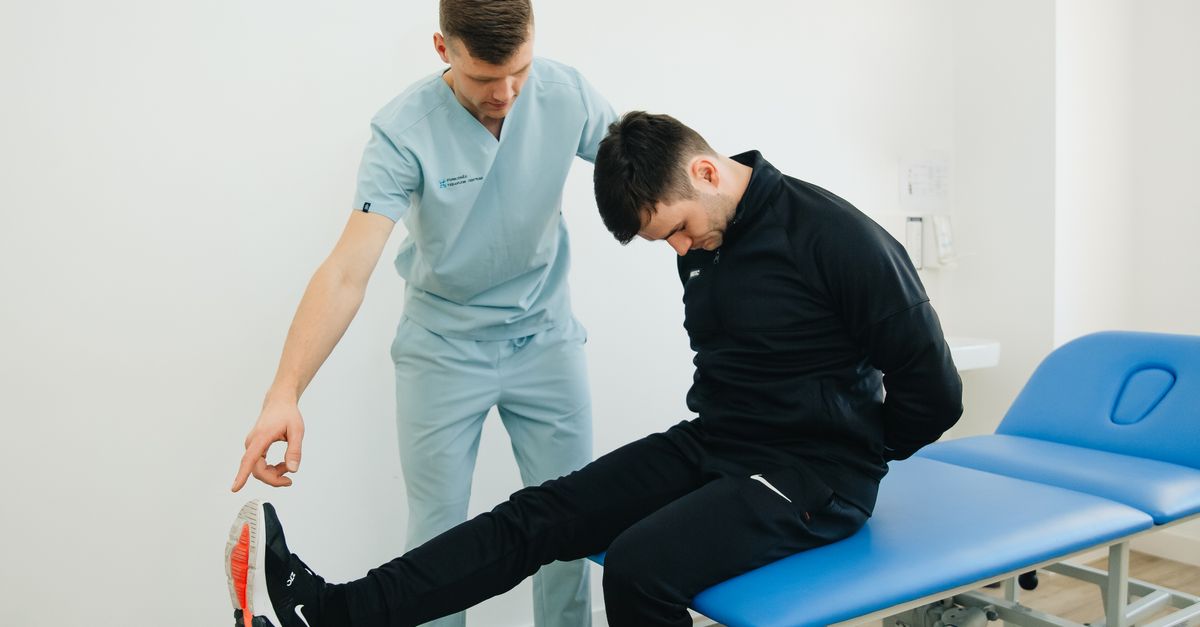
A closely related mistake is the belief that a stretch or exercise must cause significant pain to be effective. This idea has no clinical basis in the management of nerve-related pain and is actively harmful in the context of sciatica. Pushing into pain stimulates the nervous system’s sensitization pathways, elevates local inflammation, and can convert an acute episode into a chronic condition. The appropriate sensation during a sciatica stretch is a mild pulling or lengthening feeling, not sharp, electric, or radiating pain.
Prolonged bed rest was once a commonly recommended treatment for back pain but is now understood to be counterproductive for most presentations of sciatica. Remaining completely immobile allows muscles to stiffen, reduces circulation to healing tissues, and can cause the nervous system to become increasingly sensitized to pain signals over time. Gentle, consistent movement, even brief walks every hour during a flare, generally supports recovery far better than inactivity. The clinical literature is clear on this point, and it is a message the team at OC Wellness Physicians Medical Group reinforces with every patient managing an acute episode.
Ignoring the directional preference of your pain, meaning whether certain movements consistently relieve versus aggravate your symptoms, is another missed opportunity. The direction of movement that centralizes pain is a clinically meaningful piece of information that a trained clinician uses to guide treatment and prescribe specific exercises. Patients who pay attention to these patterns and communicate them clearly during an evaluation enable a far more precise and efficient treatment approach.
Finally, waiting too long before seeking a professional evaluation while continuing to self-treat is a pattern that often leads to unnecessarily prolonged recovery. Problems that are highly responsive to early clinical intervention, such as an acute disc herniation, can become more entrenched and more difficult to resolve if weeks pass without appropriate treatment. If your sciatica has not improved noticeably within two to three weeks of careful home management, scheduling an evaluation is the appropriate next step rather than continuing to experiment with different stretches independently.
How OC Wellness Treats the Root Cause of Sciatica
At OC Wellness Physicians Medical Group, the clinical approach to sciatica begins with a thorough evaluation rather than a generic treatment protocol. Our physician-directed team takes a detailed history, performs a focused physical examination, and orders imaging when it is clinically indicated to identify exactly which structure is compressing the sciatic nerve and at what level. That specificity determines everything that follows, because the treatment that relieves nerve compression from a tight piriformis is meaningfully different from the treatment indicated for central spinal stenosis or a large disc herniation at L4-L5.
Chiropractic care and spinal decompression are frequently among the first conservative interventions our clinical team coordinates for patients with lumbar disc-related sciatica. Spinal decompression applies controlled traction forces to the lumbar spine in a way that creates negative intradiscal pressure, encouraging a herniated or bulging disc to retract away from the affected nerve root. Chiropractic adjustments complement this by restoring segmental mobility in joints that have become restricted, reducing compensatory muscle tension and improving the mechanical environment around the nerve.
Physical therapy is integrated into virtually every sciatica treatment plan at OC Wellness Physicians Medical Group because the stretching and strengthening work described earlier in this guide produces its most durable results when it is supervised, progressed systematically, and adapted as the patient’s condition evolves. Our physical therapy providers build individualized programs that address the specific deficits identified on evaluation, whether those are hip mobility restrictions, core instability, or neural hypersensitivity, rather than applying a one-size-fits-all exercise sheet.
For patients whose sciatica involves a significant inflammatory component or who have not responded adequately to manual therapies, acupuncture and laser therapy offer additional pathways to pain reduction and tissue recovery. Acupuncture modulates pain signaling through well-documented neurological mechanisms and can reduce the muscle guarding that perpetuates nerve compression. Low-level laser therapy promotes cellular-level tissue repair and has demonstrated efficacy in reducing both pain and inflammation in nerve-related conditions. In cases where intervertebral disc degeneration is a primary driver of chronic sciatica, our team may discuss regenerative medicine options designed to support disc health and reduce the structural source of nerve irritation.
What Is the Fastest Way to Relieve Sciatica Pain?
For many people, a combination of gentle stretching, short walks, applying heat or ice to the affected area, and avoiding positions that aggravate the nerve provides the quickest symptomatic relief. Heat applied to the lower back can reduce muscle spasm, while ice applied in the acute phase may help limit localized inflammation. These measures address symptoms rather than the underlying cause, which is an important distinction. When sciatica is persistent, severe, or accompanied by neurological symptoms such as numbness or weakness, these home measures are insufficient and a specialist evaluation is necessary to prevent further progression.
Which Stretches Are Best for Sciatica?
Reclining pigeon pose, knee-to-chest, seated spinal twist, standing hamstring stretch, and child’s pose are among the most broadly helpful sciatica stretches for typical presentations. Each targets a different contributor to nerve irritation, whether that is piriformis tightness, lumbar muscle tension, spinal mobility restriction, or hamstring shortening. The most effective stretch for any individual, however, depends on what is compressing the nerve and in which direction that compression can best be relieved. An evaluation at OC Wellness Physicians Medical Group allows our clinical team to confirm which movements are directionally appropriate for your specific condition rather than relying on general recommendations that may not fit your situation.
Should I Stretch if My Sciatica Is Very Painful?
Gentle movement is generally preferable to complete rest even during a painful flare, but the behavior of pain during any given movement is the essential guide. If a stretch causes sharp pain to increase, if numbness spreads further into the leg or foot, or if the radiating sensation intensifies rather than centralizes, stop the movement immediately. Those responses indicate that the stretch is increasing rather than decreasing pressure on the nerve. When sciatica is severe, marked by significant neurological symptoms or pain that prevents normal daily function, it is advisable to have a physician evaluate the cause and provide specific guidance before beginning any stretching routine.

How Long Does It Take for Sciatica to Improve With Stretching?
Mild sciatica that is primarily driven by muscle tightness, such as a hypertonic piriformis without underlying disc pathology, will often show meaningful improvement within two to four weeks of consistent, correctly performed stretching and light activity. Sciatica that originates from a herniated disc or spinal stenosis follows a more variable timeline and typically responds best when a structured stretching program is combined with professional treatment of the structural source. In these cases, attempting to manage the condition with stretching alone may produce only partial improvement and a prolonged recovery. The combination of home exercise and clinical care generally shortens the overall timeline.
When Should I See a Doctor for Sciatica?
A specialist evaluation is appropriate when sciatica pain has lasted more than two weeks without clear improvement, when the pain is severe enough to significantly limit daily activities, when symptoms developed following an injury or trauma, or when there is accompanying numbness, tingling, or weakness in the leg or foot. Loss of bladder or bowel control in the setting of back and leg pain is a medical emergency that requires immediate evaluation, as it may indicate cauda equina syndrome, a condition that can cause permanent neurological damage if not treated promptly. OC Wellness Physicians Medical Group offers same-week evaluations across four Orange County locations for patients who need timely access to physician-directed care.
Can OC Wellness Help if Stretching Alone Is Not Working?
When home stretches are not producing adequate relief, the multi-specialty clinical team at OC Wellness Physicians Medical Group coordinates a broader range of interventions directed at the source of the nerve compression. Chiropractic care and spinal decompression address mechanical compression directly, while physical therapy builds the strength and mobility needed for sustained recovery. Acupuncture and laser therapy target the inflammatory and pain-signaling components of the condition, and regenerative medicine may be considered when disc health is a primary concern. Care is tailored to each patient’s diagnosis so that treatment addresses the actual cause of the nerve irritation rather than symptoms alone. Patients interested in learning more about the full range of services available can visit our contact page to reach the team directly.
If sciatic nerve pain has not responded to home sciatica stretches, or if you are ready to understand what is causing your symptoms rather than managing them episode by episode, OC Wellness Physicians Medical Group is available to help. Call our team at (714) 735-0313 to schedule an evaluation at any of our four Orange County locations. You can also reach the team through our contact page to find the Orange County location most convenient for you. Our clinical team is here to guide you from symptom relief to lasting recovery.