

Introduction:
Wondering if you have Irritable Bowel Syndrome (IBS)? IBS, a common digestive condition, manifests through abdominal discomfort and irregular bowel habits. While its exact cause remains elusive, understanding its diagnosis and management is crucial for relief.
Key Takeaways:
- Irritable Bowel Syndrome (IBS) presents with symptoms like abdominal cramping, diarrhea, constipation, and bloating, often with no identifiable cause.
- Diagnosis involves excluding other possible illnesses and considering the patient’s symptoms.
- The brain-gut axis plays a role, with psychological factors like depression and anxiety contributing to IBS.
- Treatment focuses on symptom management through lifestyle changes, diet modifications, medication, and stress relief techniques.
What is Irritable Bowel Syndrome (IBS) and how is it diagnosed?
Irritable Bowel Syndrome (IBS) is a digestive system disorder characterized by abdominal cramping, diarrhea, constipation, and bloating. Diagnosis involves excluding other possible illnesses based on symptoms. The brain-gut axis, influenced by psychological factors, may contribute to IBS development.
Do I have Irritable Bowel Syndrome?
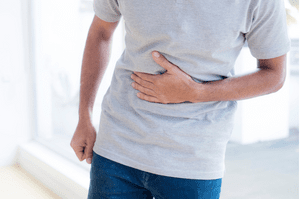
Irritable bowel syndrome (IBS) is a condition of the digestive system that causes abdominal cramping, diarrhea, constipation and/or bloating. It is a common and persisting illness that has no definite cause and no singularly effective treatment. Very often it can be described as abdominal uneasiness that cannot be diagnosed as any other disease. The occurrence of IBS differs from person to person. Studies advocate that the digestive system of a person with IBS is much more sensitive and susceptible to infection.
How is IBS Diagnosed?
IBS is diagnosed by the theory of exclusion. All the symptoms of the patient are taken into account and then the patient is tested for any other worrisome illnesses. Once all possible diseases are ruled out, the patient is then diagnosed with IBS. Studies suggest an inherent link between the brain and gut called the brain-gut axis. Three out of four people with IBS are found to have one or more incidents of depression or anxiety. So the onset of IBS in a person could be due to a traumatic life event that causes depression or due to a change in the psychological state of a person that interferes with the brain-gut communication.
How to Treat IBS Symptoms:
Since there is no clear explanation of what causes IBS symptoms, there is no specific treatment. Over-the-counter medications are usually enough to treat diarrhea, bloating and constipation. Painkillers treat abdominal cramping and pain. When your symptoms are amplified and occur with more intensity, your quality of life is affected leading to anxiety and depression which again increases the severity of IBS symptoms. It is a circle of chain reactions that you might want to break out of, by following a series of diet and lifestyle changes. Suggested below are some tips that help to manage IBS:
- Eat your meals every day at a pre-decided time regularly without skipping
- Drink at least 1-1.5 liters of water every day. You can also keep yourself hydrated with fluids that do not contain alcohol, processed sugars or caffeine
- If you have diarrhea then steer yourself clear of dairy products, citrus fruits and eggs. For more detailed advice, contact your primary care physician
- To relieve constipation, include more fiber into your diet (like oats, bananas)and drink plenty of water
- Try and eliminate processed/canned food as they might contain difficult-to-digest starch
- Include thirty minutes of exercise into your routine as perspiration is an excellent way to detoxify the body
- Consuming probiotic food which contains friendly bacteria can also help to regularize normal bowel movements
- Incorporate stress-relieving techniques, such as meditation, yoga, and hobbies that help you to relax and reduce anxiety
How to Manage IBS:
It is best to maintain a small notebook to document your diet and symptoms, chronologically. It not only helps to keep track of any changes in your symptoms, but also helps to explain to your doctor about the exact nature of your irritable bowel problem. Do not lose hope if you feel that you have IBS. Make the necessary lifestyle changes and consult your primary care physician for proper management of IBS symptoms.
Visit physical therapists near me at Orange Wellness Center.
Recent Blogs
Sacroiliac (SI) Joint Pain Treatment: Non-Surgical Options in Orange County
Non-surgical sacroiliac (SI) joint pain treatment at OC Wellness Physicians Medical Group in Orange County. Call (714) 735-0313 for an evaluation.
Knee Osteoarthritis Treatment: Non-Surgical Options in Orange County
Explore non-surgical knee osteoarthritis treatment options in Orange County at OC Wellness Physicians Medical Group. Call (714) 735-0313 to schedule an evaluation.
Degenerative Disc Disease: Treatment Options and Relief
What are the best treatments for degenerative disc disease? OC Wellness Physicians explains non-surgical relief options in Orange County. Call (714) 735-0313.